Need Starlink Installation or Network Optimization?
We help homes, offices, apartments, and businesses with Starlink installation, WiFi coverage improvement, and professional setup in Kenya.
Request Installation Chat on WhatsApp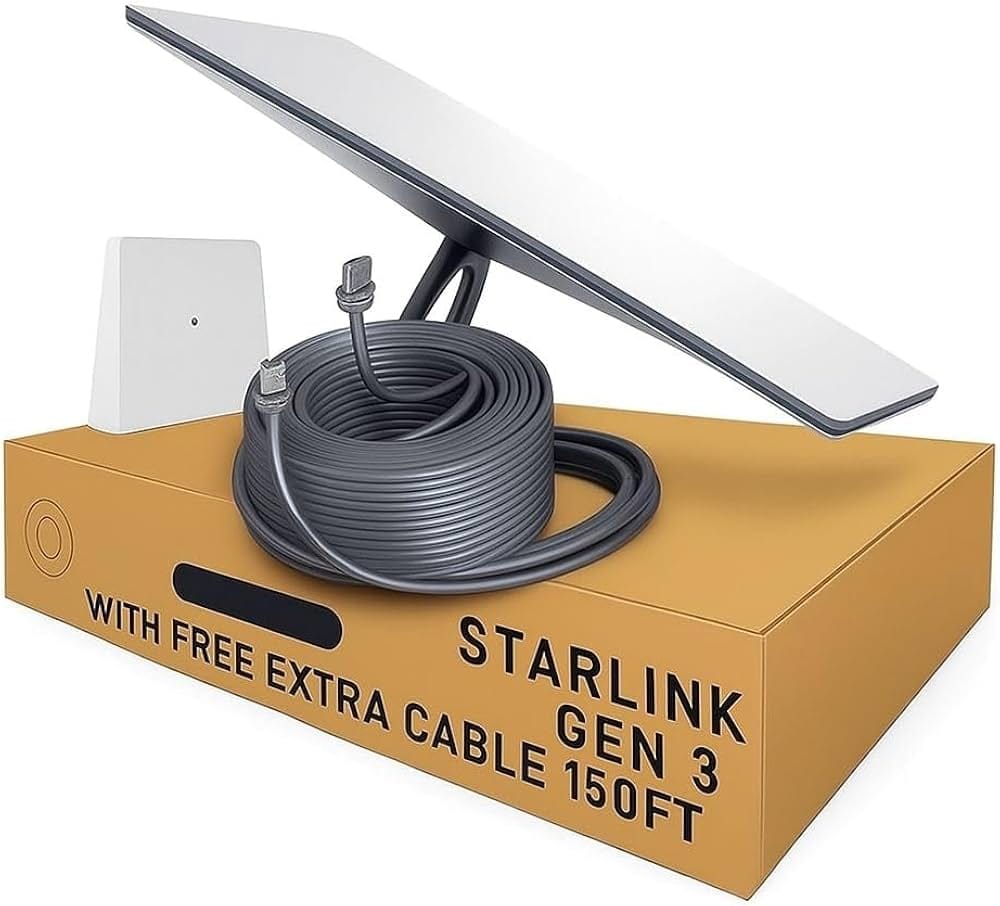
Starlink Residential Internet: The Future of Home Connectivity
Reliable internet access is no longer a luxury—it’s a necessity. From remote work and online education to streaming and smart homes, households depend on fast, stable internet connections. Starlink residential internet is transforming how homes connect to the internet by delivering high-speed satellite internet almost anywhere in the world.
Unlike traditional ISPs that rely on fiber or cellular towers, Starlink uses a constellation of low-Earth-orbit satellites to provide fast and low-latency internet directly to homes. This makes it an ideal solution for rural, remote, and underserved areas where traditional broadband options are limited or unavailable.
What Is Starlink Residential Internet?
Starlink residential internet is a satellite internet service developed by SpaceX. It is designed specifically for home users who need reliable, high-speed internet regardless of location.
Instead of using geostationary satellites, Starlink operates thousands of low-Earth-orbit (LEO) satellites, reducing latency and improving overall performance compared to traditional satellite internet services.
Key Features
High-speed satellite internet for homes
Low latency suitable for video calls and gaming
Wide global coverage
Easy self-installation
Unlimited data usage
How Starlink Residential Internet Works
Starlink residential internet works through a simple but powerful system:
Satellites in Low Earth Orbit transmit internet signals
A Starlink dish (user terminal) receives and sends data
A Wi-Fi router distributes internet throughout your home
Because the satellites orbit closer to Earth, Starlink delivers faster speeds and lower latency compared to traditional satellite providers.
Starlink Residential Internet Speeds
One of the biggest advantages of Starlink residential internet is speed.
Typical Performance
Download speeds: 50–250 Mbps
Upload speeds: 10–40 Mbps
Latency: 20–50 ms
These speeds are sufficient for:
HD and 4K streaming
Online gaming
Video conferencing
Remote work
Smart home devices
Performance may vary depending on location, weather, and network congestion, but overall, Starlink outperforms most traditional satellite internet services.
Starlink Residential Internet Pricing
Pricing for Starlink residential internet is straightforward and transparent.
Typical Costs
Hardware (one-time): Starlink kit (dish + router)
Monthly subscription: Flat monthly fee
No data caps: Unlimited usage
There are no long-term contracts, allowing users to cancel anytime. This flexibility makes Starlink residential internet appealing for homeowners and renters alike.
Installation and Setup
Setting up Starlink residential internet is simple and does not require professional installation.
What Comes in the Box
Starlink satellite dish
Wi-Fi router
Mounting tripod
Power cables
Setup Process
Place the dish where it has a clear view of the sky
Plug in the router and cables
Use the Starlink app to finalize setup
Most users are online within 30 minutes.
Who Should Use Starlink Residential Internet?
Starlink residential internet is ideal for:
Rural and Remote Homes
Homes without access to fiber or cable broadband benefit the most from Starlink.
Home Offices and Remote Workers
Low latency and stable speeds support video calls, cloud apps, and VPN connections.
Families and Streaming Households
Multiple users can stream, browse, and work simultaneously.
Areas with Poor ISP Infrastructure
Starlink bypasses unreliable local networks entirely.
Starlink Residential Internet vs Traditional ISPs
| Feature | Starlink Residential Internet | Cable/Fiber |
|---|---|---|
| Coverage | Almost anywhere | Limited to infrastructure |
| Installation | DIY | Technician required |
| Data Caps | None | Often capped |
| Latency | Low | Very low |
| Availability | Rural & urban | Mostly urban |
While fiber may still offer faster peak speeds, Starlink residential internet wins in availability and flexibility.
Benefits of Starlink Residential Internet
1. Global Coverage
Starlink works in locations where traditional ISPs cannot reach.
2. Fast and Stable Connection
LEO satellites ensure low latency and reliable performance.
3. Unlimited Data
No throttling or usage limits.
4. Quick Deployment
No digging, no towers, no delays.
5. Future Improvements
Starlink continues launching satellites, improving speeds and reliability over time.
Limitations of Starlink Residential Internet
Despite its advantages, there are a few considerations:
Higher upfront hardware cost
Performance may be affected by heavy rain or obstructions
Slightly higher latency than fiber connections
However, for many households, these limitations are minor compared to the benefits.
Availability of Starlink Residential Internet
Starlink residential internet is available in many countries across Africa, Europe, the Americas, Asia, and Oceania. Coverage continues to expand as more satellites are launched.
Users can check availability by entering their location on the Starlink website.
Is Starlink Residential Internet Worth It?
For households with limited broadband options, Starlink residential internet is absolutely worth it. It provides speeds comparable to cable internet, with far greater availability and flexibility.
It is especially valuable for:
Rural homes
Remote workers
Families relying on consistent connectivity
Areas with unreliable ISPs
Final Thoughts
Starlink residential internet is revolutionizing home connectivity by bringing fast, reliable internet to places once considered unreachable. With easy installation, unlimited data, and expanding global coverage, it stands out as one of the best home internet solutions available today.
If you’re tired of slow speeds, dropped connections, or lack of options, Starlink residential internet offers a powerful alternative that truly connects your home to the world.
Starlink Residential Internet: Fast, Reliable Satellite Internet for Your Home
In today’s world, a reliable internet connection is no longer optional—it’s essential. From remote work and online learning to streaming, gaming, and smart home devices, the internet has become the backbone of modern life. But not everyone has access to high-speed fiber or cable internet. This is where Starlink residential internet comes in, offering a revolutionary satellite-based solution that brings fast and reliable internet to homes anywhere on Earth.
Developed by SpaceX, Starlink uses a network of low Earth orbit (LEO) satellites to provide internet service with significantly lower latency and higher speeds than traditional satellite internet. This makes it a game-changer for rural and remote areas, where traditional internet providers often fail to deliver.
In this comprehensive guide, we’ll explore everything you need to know about Starlink residential internet, including how it works, pricing, installation, performance, benefits, limitations, and whether it’s the right choice for your home.
What Is Starlink Residential Internet?
Starlink residential internet is a satellite internet service designed specifically for home use. Instead of relying on terrestrial infrastructure like fiber-optic cables or cell towers, Starlink delivers internet directly from space using thousands of satellites in low Earth orbit.
Why Starlink Is Different
Traditional satellite internet uses satellites located in geostationary orbit, about 35,000 kilometers above the Earth. These satellites have a high latency (delay), which makes them less suitable for real-time applications like video calls and online gaming.
Starlink’s satellites orbit much closer to Earth—between 340 km and 1,200 km—resulting in much lower latency and faster speeds. This allows Starlink residential internet to compete with many terrestrial broadband services.
How Starlink Residential Internet Works
Starlink’s system is simple but technologically advanced:
Satellites orbit Earth in low Earth orbit
A Starlink dish (user terminal) installed at the home connects to these satellites
A Wi-Fi router distributes internet inside the home
The Starlink dish automatically adjusts its position to connect to the best available satellite, ensuring a stable connection even when satellites move across the sky.
Starlink Residential Internet Speeds and Performance
One of the most important factors when choosing an internet service is speed. Starlink residential internet delivers impressive performance for a satellite-based system.
Typical Speed Ranges
Download speeds: 50–250 Mbps
Upload speeds: 10–40 Mbps
Latency: 20–50 ms
These speeds are more than enough for everyday home use, including:
HD and 4K streaming
Online gaming
Video conferencing
Large file downloads
Smart home systems
Real-World Performance
Users in rural areas often experience significant improvements compared to DSL or outdated cable networks. Even in areas with limited infrastructure, Starlink can provide a reliable and fast connection.
However, performance can vary based on factors such as:
Weather conditions
Line-of-sight to the sky
Network congestion
Location and satellite coverage
Starlink Residential Internet Pricing
Starlink residential internet pricing is designed to be simple and transparent. While pricing may vary by country and region, the cost structure typically includes:
One-Time Hardware Cost
To get started, you need the Starlink kit, which includes:
Starlink dish
Wi-Fi router
Power cables
Mounting tripod
Monthly Subscription Fee
Starlink charges a monthly subscription for internet service. In most regions, the plan is a flat rate with no data caps, meaning you can use as much data as you want without worrying about throttling.
No Long-Term Contracts
Starlink offers flexibility by allowing users to cancel anytime. This is especially beneficial for people who need temporary internet solutions or are in transitional living situations.
Installation and Setup: Easy and DIY-Friendly
One of Starlink’s biggest advantages is how easy it is to set up. You don’t need a technician or complex installation process.
What You Need to Do
Choose a location with a clear view of the sky
Mount the dish on the roof or tripod
Connect the dish to the router
Use the Starlink app to configure and activate the service
Most users can set up Starlink residential internet within 30 minutes.
Installation Tips
To ensure the best performance:
Mount the dish in an open area
Avoid obstructions like trees, buildings, and tall structures
Keep the dish elevated and stable
Use the Starlink app to check for clear sky view
Starlink Residential Internet Coverage and Availability
Starlink is expanding rapidly, with satellites launching continuously to increase coverage and capacity. As a result, Starlink residential internet is available in many countries and regions across the world.
Who Can Access Starlink?
Starlink is ideal for:
Rural homeowners
Remote workers
Travelers and seasonal residents
Areas with poor or no broadband infrastructure
Communities where cable or fiber is not available
Starlink continues to expand coverage, so even if it’s not available in your area today, it may be soon.
Benefits of Starlink Residential Internet
1. Fast Speeds in Remote Areas
Starlink brings high-speed internet to places where traditional ISPs can’t reach. This is especially valuable for rural communities and remote locations.
2. Low Latency Compared to Traditional Satellite Internet
The low Earth orbit satellites significantly reduce latency, making Starlink suitable for:
Video calls
Online gaming
Real-time applications
3. Unlimited Data
Starlink residential internet offers unlimited data, which is rare among satellite providers. You can stream, download, and browse without worrying about caps.
4. Easy Installation
The self-installation process is straightforward, allowing users to set up the service without professional help.
5. Flexibility and Mobility
Starlink can be used in multiple locations, making it ideal for:
Seasonal homes
RVs and camping
Remote work locations
Starlink Residential Internet vs Traditional Broadband
Let’s compare Starlink residential internet with traditional broadband options.
Starlink vs Cable Internet
| Feature | Starlink Residential Internet | Cable Internet |
|---|---|---|
| Coverage | Almost anywhere | Limited by infrastructure |
| Speed | 50–250 Mbps | 50–500 Mbps |
| Latency | 20–50 ms | 10–30 ms |
| Data Caps | None | Often capped |
| Installation | DIY | Technician required |
Starlink vs Fiber Internet
Fiber internet still offers the fastest speeds and lowest latency, but it’s only available in certain areas.
| Feature | Starlink Residential Internet | Fiber Internet |
|---|---|---|
| Coverage | Wide and expanding | Limited to urban areas |
| Speed | 50–250 Mbps | 1–10 Gbps |
| Latency | 20–50 ms | 1–10 ms |
| Installation | Easy DIY | Complex installation |
| Cost | Medium | High (sometimes) |
Starlink vs Mobile Data (4G/5G)
Mobile data can be convenient, but it often has data limits and inconsistent performance.
| Feature | Starlink Residential Internet | Mobile Data |
|---|---|---|
| Coverage | Remote and rural | Dependent on cell towers |
| Speed | Consistent | Variable |
| Data Caps | None | Usually capped |
| Reliability | Stable | Fluctuates |
| Best for | Home internet | On-the-go use |
Limitations of Starlink Residential Internet
While Starlink is a breakthrough technology, it has a few limitations you should consider:
1. Higher Initial Hardware Cost
The Starlink kit can be expensive compared to traditional routers and modems.
2. Weather Sensitivity
Heavy rain, snow, or storms may temporarily affect performance.
3. Line-of-Sight Requirement
The dish requires a clear view of the sky. Obstructions like trees and buildings can reduce performance.
4. Slightly Higher Latency than Fiber
Although Starlink’s latency is low for satellite internet, it is still higher than fiber connections.
Starlink Residential Internet for Gaming and Streaming
One of the most common concerns is whether Starlink is suitable for gaming and streaming. The answer is yes—Starlink performs well for both.
Streaming
Starlink supports:
4K streaming
Multiple devices streaming simultaneously
Smooth video playback
Gaming
Starlink’s latency is low enough for most online games. While competitive gamers may prefer fiber, Starlink still offers a great gaming experience in areas without fiber or cable.
Starlink Residential Internet Customer Support
Starlink provides customer support through:
The Starlink app
Online support portal
Community forums
Users can troubleshoot issues, check signal quality, and monitor performance directly through the app.
Starlink Residential Internet: Is It Worth It?
Starlink residential internet is worth it if:
You live in a rural or remote area
Your current internet is unreliable
You need consistent speeds for work or school
You want a flexible, easy-to-install solution
You want unlimited data without caps
For many households, Starlink is the best available option when fiber or cable is not accessible.
Final Thoughts
Starlink residential internet is changing the way homes connect to the internet. It brings fast, reliable, and unlimited internet to places that traditional ISPs cannot reach. With easy installation, global coverage, and continuous improvements, Starlink is becoming the top choice for residential internet in remote areas.
If you’re tired of slow connections, limited data, and poor service, Starlink residential internet offers a powerful alternative that can transform your home’s connectivity.
Need Starlink Installation or Network Optimization?
We help homes, offices, apartments, and businesses with Starlink installation, WiFi coverage improvement, and professional setup in Kenya.
Request Installation Chat on WhatsApp