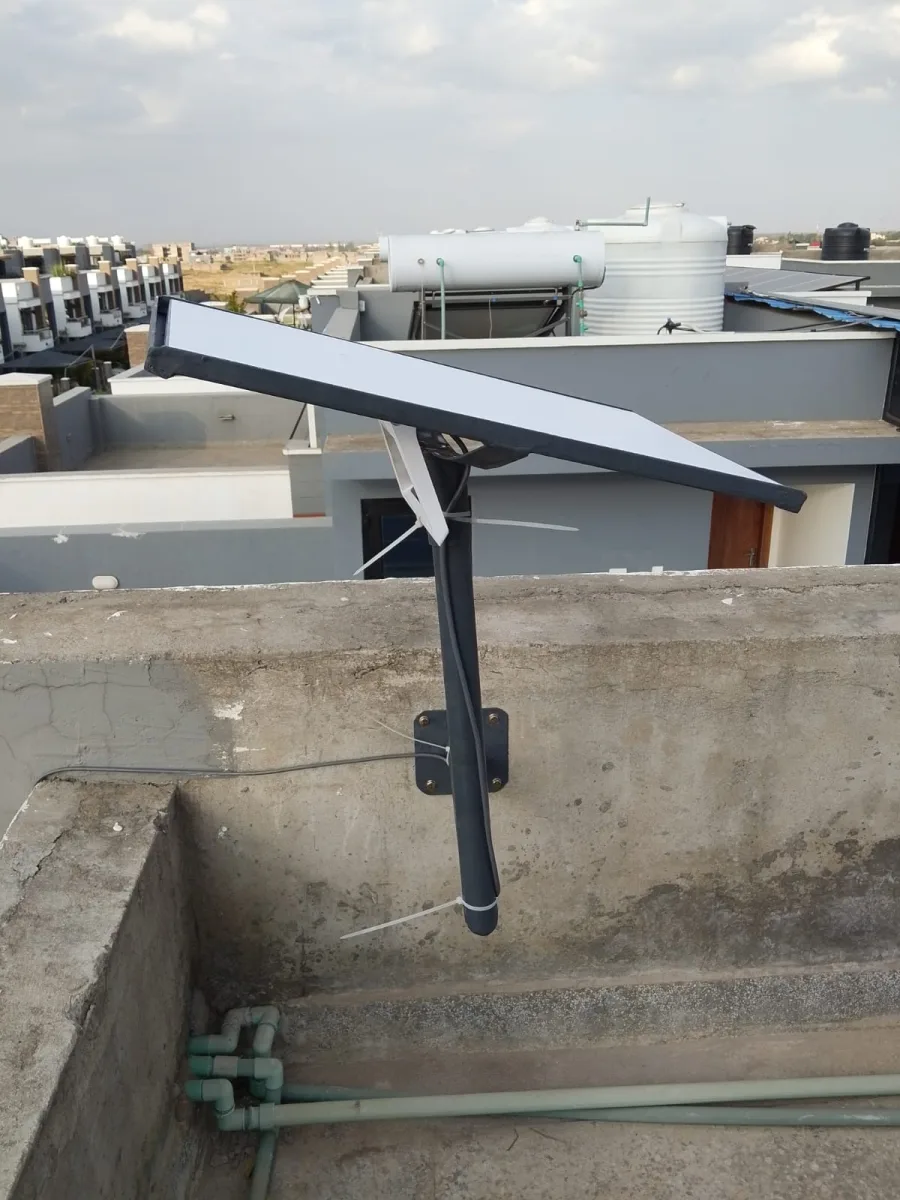
How Satellite Internet is Transforming Rural Kenya
Satellite internet is becoming a game changer for many parts of rural Kenya where traditional internet infrastructure is unavailable or unreliable. Unlike fiber or cable internet, satellite connectivity does not depend heavily on physical ground infrastructure, making it ideal for remote regions.
Today, many homes and businesses in rural counties can access high-speed internet for the first time through modern satellite technology.
Areas Benefiting from Rural Internet in Kenya
Rural internet services are helping communities in counties such as:
- Turkana
- Marsabit
- Samburu
- Narok
- Kitui
- Kajiado
- Kilifi
- Kwale
- Taita Taveta
- West Pokot
Internet access in these regions supports education, agriculture, tourism, healthcare, and entrepreneurship.
Rural Internet for Farmers in Kenya
Agriculture is one of the largest sectors in Kenya, and internet access is helping farmers improve productivity and decision-making.
Farmers can now:
- Access weather forecasts
- Learn modern farming techniques
- Monitor market prices
- Sell products online
- Use mobile banking services
- Connect with agricultural experts
Digital agriculture is helping farmers increase efficiency and profitability while reducing operational challenges.
Internet Connectivity for Remote Businesses
Reliable rural internet is also supporting businesses operating outside major cities.
Businesses benefiting from internet access include:
- Hotels and lodges
- Agrovet stores
- Cyber cafes
- Schools and colleges
- Health centers
- Retail shops
- Transport companies
Internet connectivity improves customer service, online marketing, communication, and operational efficiency.
Despite major improvements, several challenges still affect internet access in some rural areas.
Common challenges include:
- High installation costs
- Limited electricity access
- Network coverage gaps
- Expensive data packages
- Weather-related disruptions in some technologies
However, ongoing investment in digital infrastructure continues to improve rural connectivity across Kenya.
Affordable Rural Internet Packages
Many internet providers now offer flexible packages designed for rural users. These packages are suitable for:
- Home users
- Students
- Small businesses
- Schools
- Community organizations
Affordable packages help more people gain access to online services and digital opportunities.
Why Businesses Should Invest in Rural Connectivity
Companies operating in rural Kenya need reliable internet to remain competitive in today’s digital environment.
Internet access enables businesses to:
- Run online systems
- Manage remote teams
- Improve customer communication
- Offer digital services
- Increase efficiency
- Expand market reach
Businesses with strong internet connectivity can grow faster and operate more effectively.
The future of rural internet in Kenya looks promising as technology continues to evolve.
Emerging trends include:
- Expansion of satellite internet services
- Increased 5G network coverage
- Community Wi-Fi projects
- Smart farming technologies
- Growth in digital education
- Rural e-commerce expansion
As internet access improves, rural communities will gain greater access to economic and educational opportunities.
Over the last decade, internet usage in Kenya has increased rapidly. While major towns and cities have enjoyed strong internet infrastructure for years, rural areas are now catching up as demand for connectivity grows.
People living in rural Kenya are increasingly using the internet for:
- Online learning
- Digital banking
- Social media
- Online jobs
- E-commerce
- Government services
- Entertainment and streaming
- Communication with family and friends
The digital transformation taking place across Kenya has made internet access one of the most important services for economic and social development.
The Digital Divide Between Urban and Rural Kenya
For many years, urban areas such as Nairobi, Mombasa, Kisumu, and Nakuru had better internet access than rural regions. This created a digital divide where people in remote areas had fewer opportunities to access online resources and digital services.
Some of the key causes of the digital divide included:
- Lack of fiber infrastructure
- Poor mobile network coverage
- High internet installation costs
- Limited electricity access
- Low investment in remote regions
Today, internet providers and technology companies are working to close this gap by introducing affordable and scalable rural internet solutions.
How Rural Internet Supports Economic Growth
Reliable internet plays a major role in economic development. In rural Kenya, connectivity is helping communities participate in the digital economy and access new business opportunities.
Internet access contributes to economic growth by:
- Supporting online businesses
- Enabling remote work opportunities
- Improving communication
- Connecting local businesses to national and global markets
- Increasing access to financial services
- Encouraging innovation and entrepreneurship
Small businesses can now market products online, process digital payments, and communicate with customers more efficiently.
Rural Internet and Mobile Money Services
Kenya is globally recognized for mobile money innovation. Rural internet connectivity further strengthens access to digital financial services such as:
- Mobile banking
- Online payments
- Digital savings platforms
- Loan applications
- E-commerce transactions
Internet connectivity allows users to access secure online financial services from remote locations without traveling long distances to towns or banks.
Internet Access and Youth Empowerment
Young people in rural Kenya are using internet access to build careers, learn digital skills, and create online businesses.
With reliable internet, youth can:
- Learn programming and software development
- Access online courses
- Work remotely
- Become freelancers
- Start digital marketing businesses
- Offer graphic design services
- Create online content
- Apply for international jobs
The internet is creating opportunities that were previously unavailable in many rural communities.
Rural Internet and Remote Work Opportunities
Remote work has become increasingly common worldwide. Reliable internet connectivity allows people living in rural Kenya to work for companies and clients located in different cities or countries.
Remote work opportunities include:
- Virtual assistance
- Customer support
- Web development
- Data entry
- Graphic design
- Content writing
- Social media management
- Online tutoring
This helps reduce migration to major cities by creating income opportunities within rural communities.
Internet for Rural Healthcare Services
Healthcare institutions in rural Kenya are also benefiting from improved internet access.
Internet connectivity helps healthcare providers:
- Access online medical records
- Conduct virtual consultations
- Receive remote medical training
- Communicate with specialists
- Manage appointments digitally
- Access medical research and information
Telemedicine services are helping improve healthcare delivery in remote areas where medical specialists may not always be available.
The Role of Internet in Rural Education
Education is one of the sectors benefiting most from internet expansion in Kenya.
Students and teachers can access:
- Online classes
- Educational videos
- Digital libraries
- E-learning platforms
- Online exams
- Virtual classrooms
- Academic research materials
Internet access allows learners in remote areas to access educational resources similar to those available in urban schools.
Internet Connectivity for Rural Schools
Many schools in rural Kenya are now introducing computer labs and digital learning programs.
Benefits of internet connectivity in schools include:
- Better research opportunities
- Improved digital literacy
- Access to modern educational tools
- Teacher training programs
- Interactive learning experiences
Students with internet access are better prepared for the digital economy and future job opportunities.
Smart Farming and Internet Technology
Internet technology is transforming agriculture in Kenya through smart farming solutions.
Farmers can use internet-connected tools for:
- Weather monitoring
- Irrigation management
- Livestock tracking
- Crop monitoring
- Market research
- Online farming communities
Smart farming technologies help farmers improve productivity, reduce losses, and increase profitability.
Rural Tourism and Internet Connectivity
Tourism facilities located in remote areas also rely heavily on internet access.
Hotels, camps, and lodges use the internet for:
- Online bookings
- Customer communication
- Digital payments
- Marketing and advertising
- Guest entertainment
- Security monitoring
Reliable internet improves customer experience and helps tourism businesses attract both local and international visitors.
Internet Access for Community Development
Internet connectivity supports social and community development in many ways.
Communities can use internet access to:
- Access government information
- Organize community projects
- Promote local businesses
- Access emergency services
- Share educational resources
- Improve communication
Community internet projects are helping rural areas become more connected and informed.
Challenges Facing Internet Expansion in Rural Kenya
Although progress has been significant, several challenges still affect internet expansion.
Infrastructure Costs
Building internet infrastructure in remote areas can be expensive due to long distances and difficult terrain.
Power Supply Limitations
Some rural areas still experience unreliable electricity, affecting internet equipment and connectivity.
Low Population Density
Internet providers may face lower returns on investment in sparsely populated areas.
Harsh Environmental Conditions
Extreme weather conditions can affect internet infrastructure and satellite connectivity in some regions.
Limited Digital Skills
Some users may lack digital literacy skills needed to fully utilize internet services.
Despite these challenges, continued investment is improving connectivity nationwide.
The Importance of Affordable Internet Packages
Affordability is one of the biggest factors influencing internet adoption in rural Kenya.
Affordable internet packages help:
- Students access online learning
- Families stay connected
- Small businesses operate efficiently
- Communities access digital services
Flexible pricing models make internet services accessible to more people across different income levels.
The Role of Government in Expanding Rural Internet
The Kenyan government continues to support digital transformation initiatives aimed at increasing internet access nationwide.
Government efforts include:
- Expanding digital infrastructure
- Supporting ICT training programs
- Encouraging investment in rural connectivity
- Promoting digital literacy
- Supporting innovation hubs
These initiatives help improve access to digital opportunities in underserved communities.
Rural Internet and E-Commerce Growth
E-commerce continues to grow rapidly in Kenya, and rural businesses are increasingly participating in online marketplaces.
Internet access allows rural entrepreneurs to:
- Sell products online
- Reach more customers
- Accept digital payments
- Advertise through social media
- Access online delivery services
This creates new income opportunities and helps local businesses grow beyond their immediate geographic locations.
Women Empowerment Through Internet Access
Internet connectivity is also empowering women in rural Kenya by providing access to education, financial services, and online business opportunities.
Women can use internet access to:
- Learn new skills
- Run online businesses
- Access healthcare information
- Join digital communities
- Work remotely
- Market handmade products
Digital inclusion helps improve financial independence and economic participation.
Rural Internet and Innovation
Improved connectivity encourages innovation and creativity within rural communities.
Young innovators can now:
- Learn coding
- Develop mobile applications
- Create online platforms
- Access startup resources
- Participate in online competitions
Innovation hubs and digital training programs are helping nurture technology talent across Kenya.
Internet Security and Safe Usage
As internet access expands, cybersecurity awareness becomes increasingly important.
Users should follow safe internet practices such as:
- Using strong passwords
- Avoiding suspicious links
- Protecting personal information
- Updating devices regularly
- Using trusted payment platforms
Digital safety education helps users avoid online threats and fraud.
Choosing the Best Rural Internet Solution
The best internet solution depends on location, budget, and usage requirements.
Satellite Internet
Best for remote areas with limited infrastructure.
Wireless Broadband
Suitable for growing towns and areas with wireless coverage.
Mobile Internet
Useful for basic browsing and mobile connectivity.
Fiber Internet
Ideal for areas with fiber network availability.
Users should compare speed, reliability, installation costs, and support services before selecting a provider.
The future of internet connectivity in rural Kenya is expected to improve significantly over the coming years.
Emerging developments include:
- Faster satellite internet speeds
- Expansion of fiber networks
- Increased wireless broadband coverage
- Affordable smart devices
- Growth of digital education platforms
- Expansion of e-health services
- Smart agriculture technologies
These developments will help bridge the digital divide and create more opportunities for rural communities.
The Impact of 5G Technology in Kenya
5G technology has the potential to improve internet speeds and reliability in many regions across Kenya.
Benefits of 5G include:
- Faster download speeds
- Improved video streaming
- Better support for smart devices
- Lower latency
- Enhanced remote work capabilities
As network coverage expands, rural areas may also benefit from next-generation connectivity.
Community Wi-Fi Projects in Rural Areas
Some organizations and communities are introducing shared internet access programs to improve connectivity.
Community Wi-Fi projects help:
- Schools access educational resources
- Small businesses connect online
- Residents access affordable internet
- Community centers offer digital services
Shared internet infrastructure can reduce costs and improve accessibility.
Internet Connectivity and Climate Information
Farmers and communities increasingly use internet services to access climate and weather information.
Access to accurate forecasts helps communities:
- Prepare for droughts
- Plan farming activities
- Reduce crop losses
- Improve disaster preparedness
Climate information services support agricultural resilience and food security.
Rural Internet and Digital Transformation
Digital transformation is no longer limited to urban centers. Rural Kenya is rapidly embracing technology-driven solutions across multiple sectors.
Digital transformation includes:
- Online government services
- Digital healthcare systems
- E-learning platforms
- Smart farming tools
- Mobile commerce solutions
Reliable internet connectivity is the foundation supporting these advancements.
Why Reliable Customer Support Matters
Good customer support is essential for internet users in rural areas.
Reliable providers should offer:
- Fast technical assistance
- Easy installation support
- Flexible payment options
- Stable network performance
- Responsive customer care
Quality support improves customer satisfaction and ensures uninterrupted connectivity.
The Role of Technology Companies in Rural Connectivity
Technology companies continue to play an important role in expanding internet access in Kenya.
These companies invest in:
- Network infrastructure
- Satellite technology
- Wireless systems
- Affordable internet devices
- Digital education initiatives
Private sector investment helps accelerate internet expansion into underserved regions.
Building a Digitally Connected Kenya
Internet access is helping Kenya move toward a more connected and digitally inclusive society.
A digitally connected Kenya supports:
- Economic growth
- Innovation
- Job creation
- Educational development
- Improved healthcare
- Social inclusion
Rural communities are becoming active participants in the country’s digital future.
Conclusion
Rural internet in Kenya is transforming lives by improving access to education, healthcare, communication, and business opportunities. As internet technologies continue to evolve, more communities across Kenya will gain access to reliable and affordable connectivity.
From smart farming and digital education to remote work and e-commerce, internet access is creating opportunities that support long-term social and economic development.
Investing in rural internet infrastructure is essential for bridging the digital divide and ensuring that every community in Kenya canbenefit from the digital economy.