
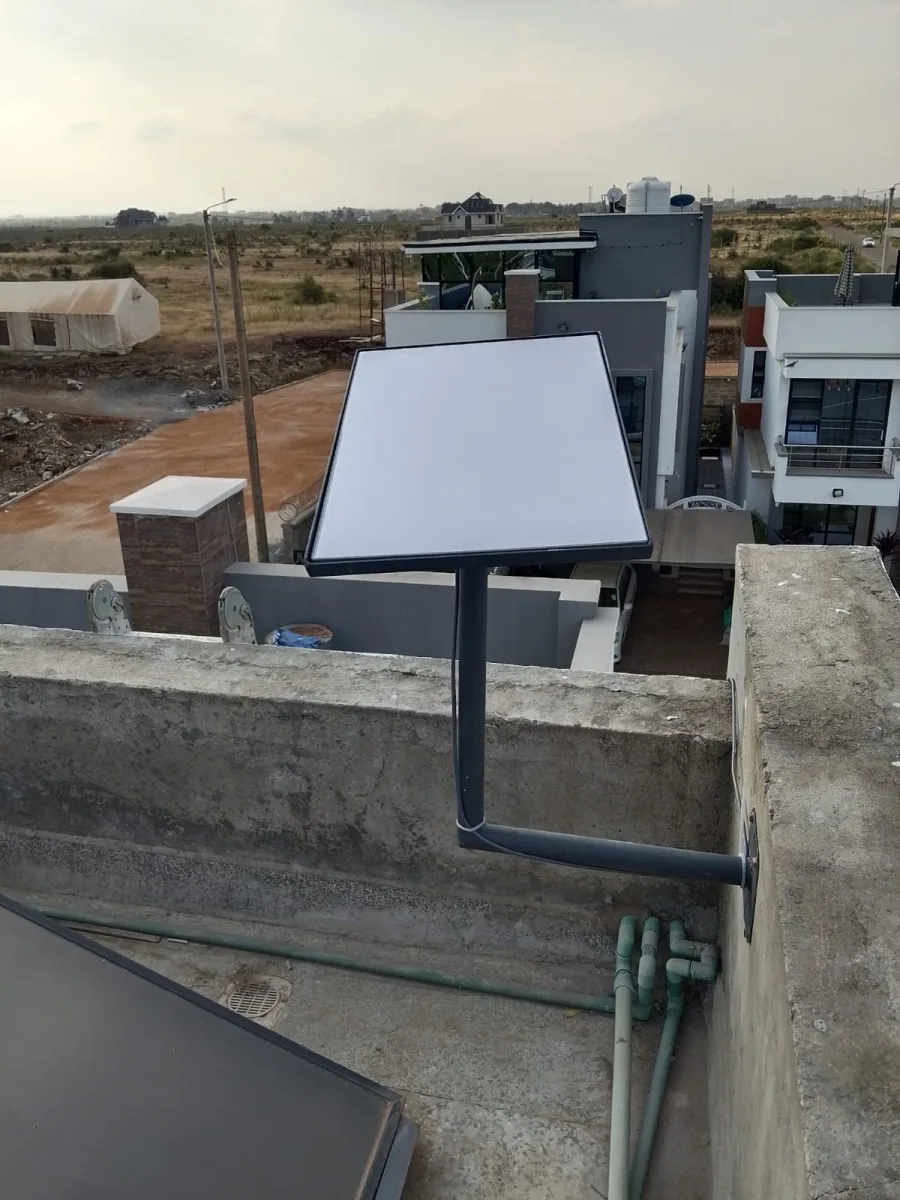
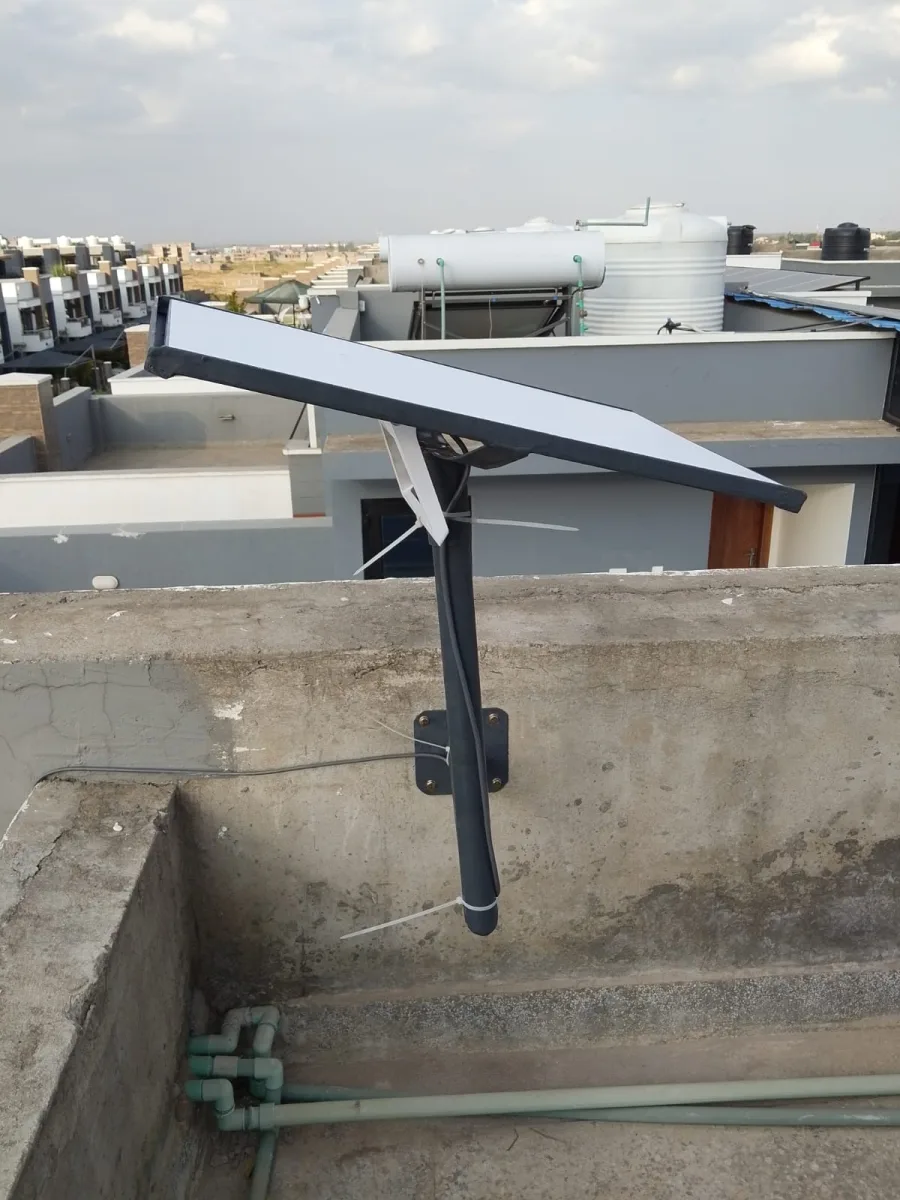
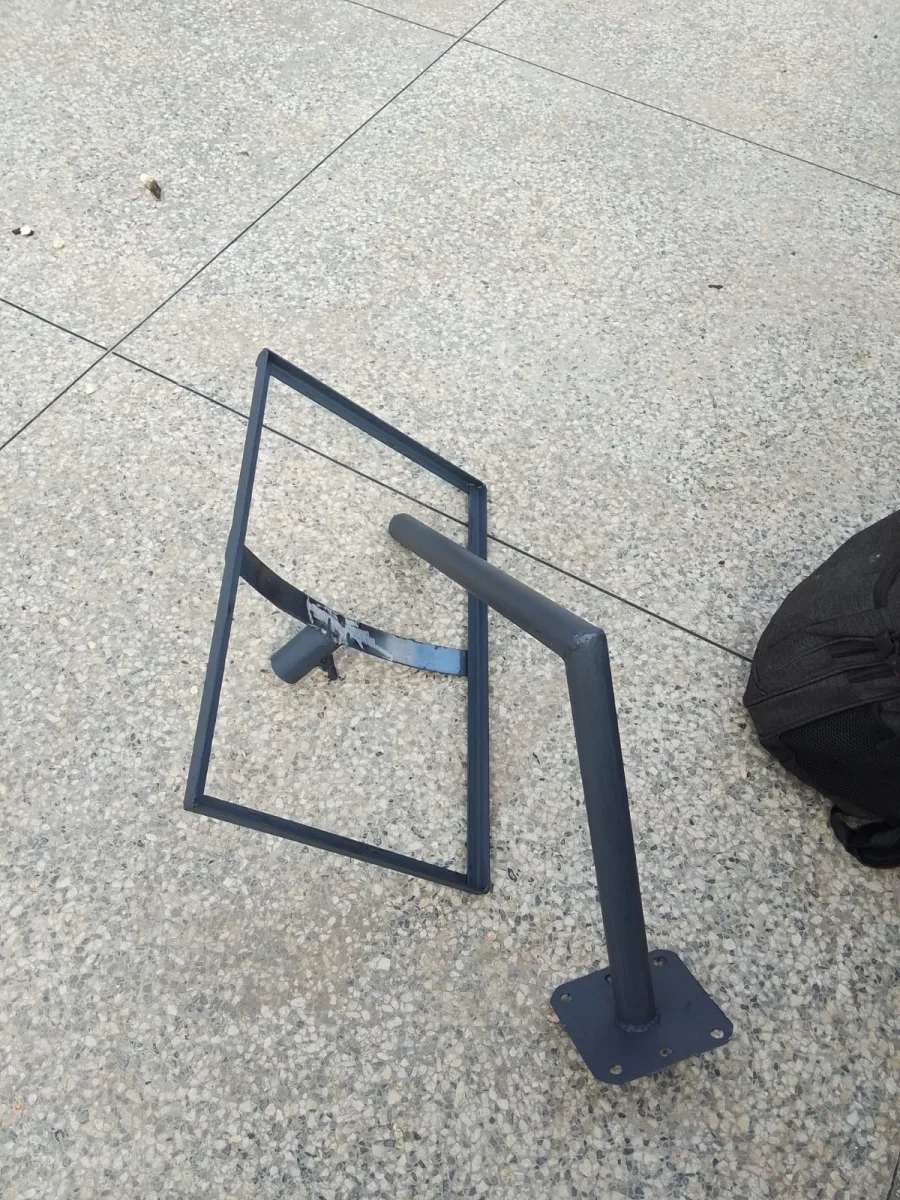
Need Starlink Installation or Network Optimization?
We help homes, offices, apartments, and businesses with Starlink installation, WiFi coverage improvement, and professional setup in Kenya.
Request Installation Chat on WhatsApp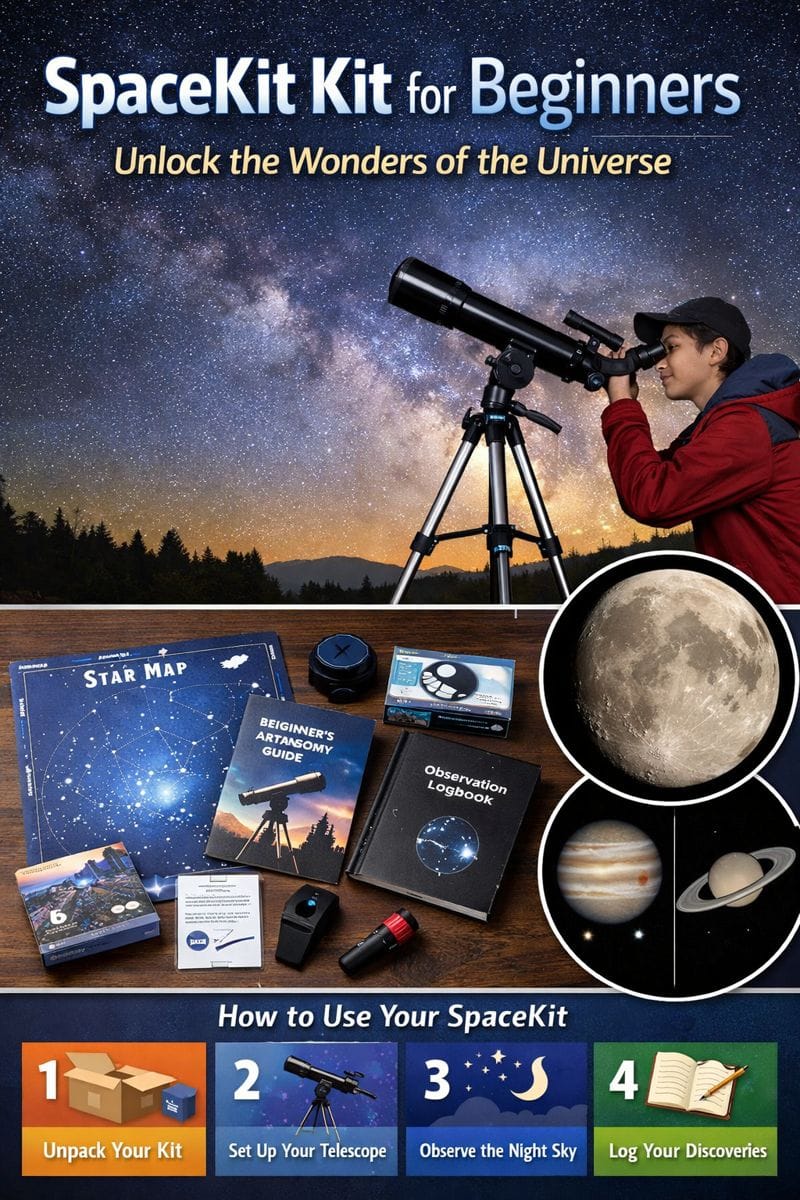
SpaceKit Kit for Beginners: Your Gateway to Space Exploration
Are you fascinated by the stars, planets, and the mysteries of the universe? The SpaceKit kit for beginners is designed to make space exploration accessible, fun, and educational for everyone, regardless of your experience level. Whether you’re a student, hobbyist, or aspiring astronomer, this kit provides the tools and guidance you need to start your journey into the cosmos.
Talk to Spacekits
Need Starlink help for your home or business?
Talk to Spacekits before you buy or book installation. We help with kit supply, mounting, activation, router placement, WiFi coverage, and written quotes.
What is a SpaceKit Kit for Beginners?
A SpaceKit kit for beginners is a carefully curated package that includes everything you need to start exploring the universe. Typically, it comes with:
Telescope or binoculars: Perfect for observing celestial bodies.
Star maps and guides: Help you identify constellations, planets, and galaxies.
Educational materials: Instructions, experiments, and tips for beginners.
Observation logbooks: Track your discoveries and learning progress.
These kits are designed with beginners in mind, meaning they’re easy to use, portable, and affordable.
Benefits of Using a SpaceKit Kit for Beginners
Hands-on Learning Experience
Engage directly with astronomy through practical activities, helping you understand celestial phenomena better.Encourages Curiosity and Exploration
A SpaceKit inspires curiosity about space and encourages users to ask questions and seek answers, fostering a lifelong interest in science.Educational and Fun
Learn about planets, stars, and galaxies while having fun with interactive activities included in the kit.Perfect for All Ages
Designed to be beginner-friendly, suitable for children, teens, and adults who are just starting their astronomy journey.
How to Use Your SpaceKit Kit for Beginners
Unpack Your Kit Carefully
Ensure all components are included—telescope, guides, star maps, and accessories.Read the Instruction Manual
Beginner-friendly guides will walk you through the setup of your telescope and observation techniques.Start Observing the Night Sky
Begin with easy-to-find celestial objects like the Moon, major planets, and bright stars.Keep an Observation Log
Note down dates, times, and what you see. This habit improves your understanding of the night sky over time.Explore Additional Resources
Online apps and astronomy communities can provide further tips, star charts, and observation challenges.
Tips for Maximizing Your SpaceKit Experience
Choose Clear Nights: Avoid cloudy or rainy weather for optimal visibility.
Minimize Light Pollution: Observe from darker areas away from city lights.
Practice Patience: Some celestial objects are faint or take time to locate.
Join Astronomy Clubs: Engage with a community for guidance, support, and shared experiences.
Why SpaceKit Kits for Beginners Are the Best Choice
SpaceKit kits for beginners are more than just tools—they’re gateways to discovery. They make astronomy approachable, safe, and highly engaging, offering an enriching experience that traditional books or lectures alone cannot provide. Investing in a SpaceKit is investing in knowledge, curiosity, and a love for the universe.
Conclusion
The SpaceKit kit for beginners is the ideal starting point for anyone interested in exploring the stars. With the right tools, guidance, and curiosity, you can unlock the wonders of space from your backyard. Start your journey today, and discover the universe in a fun, educational, and inspiring way
SpaceKit Kit for Beginners: Unlock the Wonders of the Universe
If you’ve ever gazed at the night sky and wondered what lies beyond the stars, the SpaceKit kit for beginners is your perfect starting point. Designed for hobbyists, students, and anyone curious about astronomy, this kit makes exploring the cosmos easy, engaging, and educational.
A SpaceKit for beginners provides everything from telescopes to star charts, turning an ordinary night into an extraordinary adventure of discovery. In this guide, we’ll cover how to use your kit, the benefits, tips for observing, and recommendations for the best beginner-friendly telescopes.
What Exactly is a SpaceKit Kit for Beginners?
A SpaceKit kit for beginners is a specially designed package that allows anyone to start exploring space without prior experience. Most kits include:
Telescope or Binoculars: Compact and easy-to-use models ideal for beginners.
Star Maps & Charts: Visual guides to help you identify constellations, planets, and notable stars.
Instruction Manuals & Educational Resources: Step-by-step guides that explain observation techniques and astronomical concepts.
Observation Logbooks: Tools to record your discoveries and track celestial events.
Extra Accessories: Tripods, lenses, or smartphone adapters for capturing images of the night sky.
With these tools, beginners can confidently observe the night sky, track celestial events, and gradually develop a deeper understanding of astronomy.
Benefits of a SpaceKit Kit for Beginners
Hands-on Learning Experience
Rather than reading books alone, a SpaceKit encourages direct observation of celestial objects, reinforcing learning through practice.Encourages Curiosity & Critical Thinking
Exploring planets, stars, and constellations fosters curiosity and critical thinking skills, perfect for students and lifelong learners.Educational & Fun
The interactive nature of the kit ensures learning feels like a fun activity rather than a chore.Accessible for All Ages
From children to adults, the kit is beginner-friendly, with simple instructions and adaptable tools for different skill levels.Affordable Entry into Astronomy
A SpaceKit offers an accessible alternative to expensive telescopes or astronomy courses, giving beginners an inexpensive way to explore the universe.
Step-by-Step Guide: How to Use Your SpaceKit Kit for Beginners
Step 1: Unbox & Check Your Kit
Ensure all components—telescope, star maps, guides, logbooks, and accessories—are included. Familiarize yourself with each item.
Step 2: Read the Instruction Manual
Most beginner kits provide simple instructions for setting up your telescope, aligning it with celestial coordinates, and using star maps effectively.
Step 3: Start With Easy-to-Find Objects
Begin by observing bright celestial objects like:
The Moon’s craters and surface features
Venus or Jupiter with its moons
Prominent stars like Sirius or Betelgeuse
Step 4: Keep an Observation Log
Record the date, time, weather conditions, and your observations. Over time, this log becomes a personal astronomy diary and helps track your progress.
Step 5: Gradually Explore More Complex Objects
Once comfortable, try spotting distant galaxies, nebulae, or asteroid belts. Your SpaceKit guides and star maps will provide instructions for locating these objects.
Top Tips for Using a SpaceKit Kit for Beginners
Pick Clear Nights:
Observing the sky on a cloudless night ensures better visibility.Avoid Light Pollution:
City lights can obscure faint stars and galaxies. Travel to darker areas or use apps to find optimal observation spots.Be Patient:
Some celestial objects are faint and take time to locate. Patience is key for beginners.Use Red Light:
When checking charts or logbooks at night, use a red flashlight to preserve night vision.Join Online Communities or Astronomy Clubs:
Connect with fellow enthusiasts for tips, observation challenges, and social learning opportunities.
Best Beginner Telescopes in SpaceKit Kits
A beginner-friendly telescope can make or break your initial experience. Here are some popular options included in SpaceKit kits:
Refractor Telescopes:
Ideal for observing the Moon and planets. Lightweight, portable, and easy to set up.Reflector Telescopes:
Uses mirrors to magnify distant objects. Great for deep-sky observations like galaxies and nebulae.Dobsonian Telescopes:
Large aperture telescopes that are simple to operate, offering excellent value for beginners.Binoculars:
Simple, versatile, and portable, binoculars are perfect for scanning the Milky Way and following meteor showers.
Common Mistakes Beginners Make (And How to Avoid Them)
Skipping Setup Instructions:
Even a small misalignment can make objects hard to see. Always read your manual carefully.Observing from Brightly Lit Areas:
Streetlights, porch lights, and city glow reduce visibility. Always move to a dark location.Expecting Too Much Too Soon:
Not every celestial object is easy to find. Start with the Moon and bright planets before attempting distant galaxies.Neglecting Weather Conditions:
Clouds, fog, and humidity can distort views. Plan observation nights based on accurate weather forecasts.Not Maintaining Your Telescope:
Clean lenses and mirrors gently. Avoid touching optical surfaces directly to prevent scratches.
Educational Benefits of SpaceKit Kits for Beginners
Using a SpaceKit enhances learning in several ways:
STEM Education: Teaches physics, astronomy, and math concepts naturally.
Critical Thinking: Encourages problem-solving when locating celestial objects.
Observation Skills: Improves attention to detail and patience.
Creativity: Inspires astrophotography, journaling, and science projects.
Many schools and science clubs incorporate SpaceKit kits into their programs to inspire students and make astronomy hands-on and engaging.
Conclusion
The SpaceKit kit for beginners is more than just a collection of tools—it’s a gateway to the universe. With a SpaceKit, anyone can explore the stars, planets, and galaxies from their backyard, learning astronomy in a fun, educational, and interactive way.
From understanding celestial patterns to observing distant galaxies, a beginner SpaceKit empowers you to start your space journey with confidence. Don’t wait—your adventure among the stars begins with a SpaceKit kit for beginners!
Need Starlink Installation or Network Optimization?
We help homes, offices, apartments, and businesses with Starlink installation, WiFi coverage improvement, and professional setup in Kenya.
Request Installation Chat on WhatsApp