
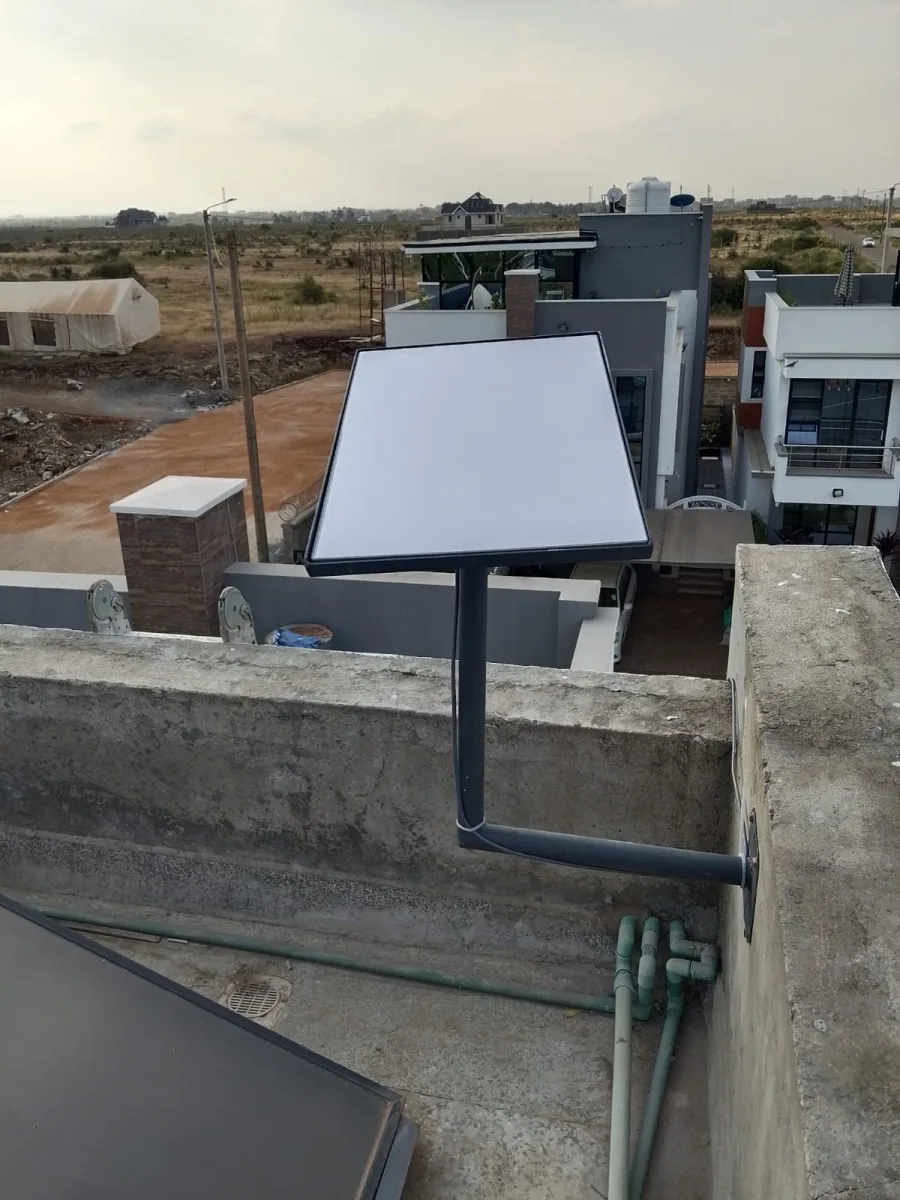
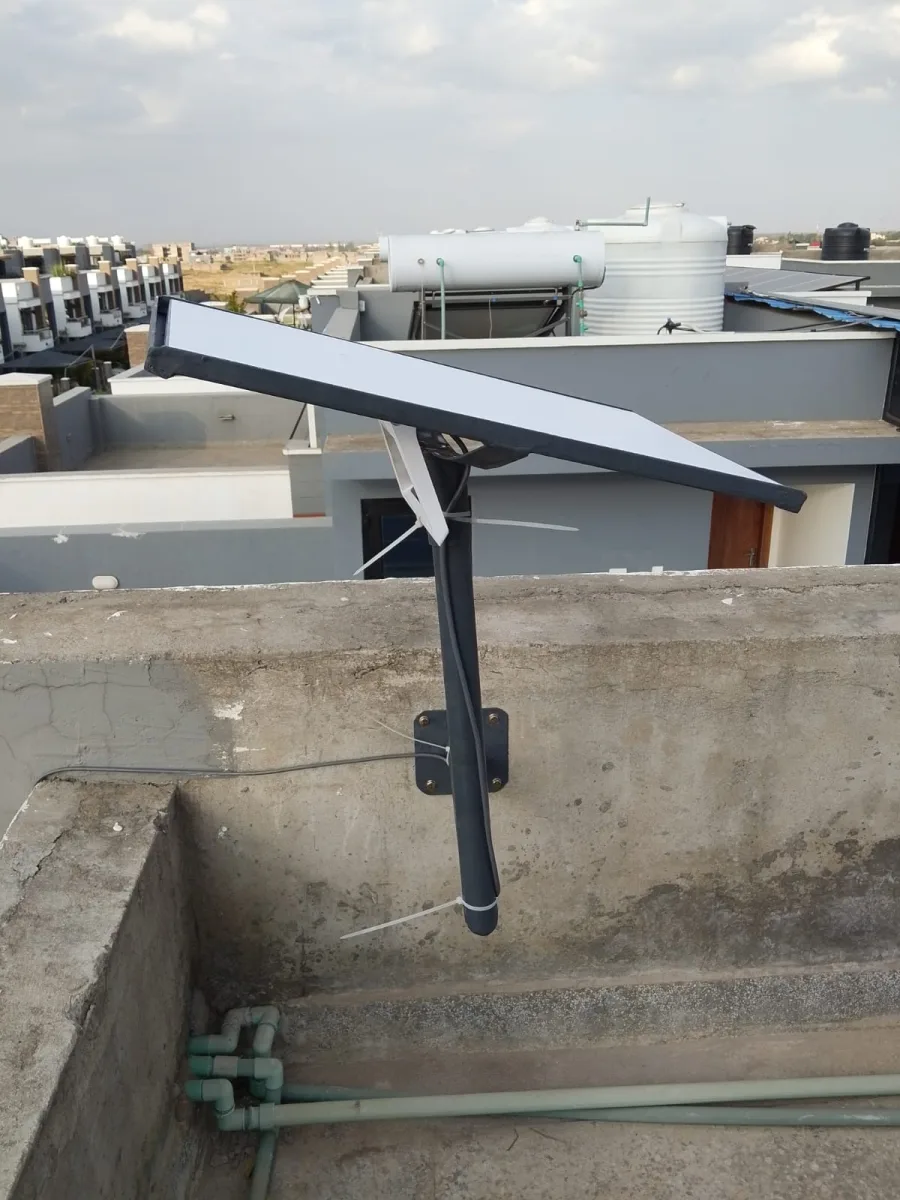
Need Starlink Installation or Network Optimization?
We help homes, offices, apartments, and businesses with Starlink installation, WiFi coverage improvement, and professional setup in Kenya.
Request Installation Chat on WhatsAppStarlink Kit in Disaster Zones: A Lifeline When Connectivity Fails
In the aftermath of natural disasters, maintaining communication is critical. Earthquakes, hurricanes, floods, and wildfires can wipe out terrestrial networks, leaving communities isolated. The Starlink kit, a satellite-based internet system, has emerged as a game-changer in disaster zones, offering rapid deployment and reliable connectivity when traditional infrastructure fails.
Talk to Spacekits
Need Starlink help for your home or business?
Talk to Spacekits before you buy or book installation. We help with kit supply, mounting, activation, router placement, WiFi coverage, and written quotes.
Why Internet Access Matters in Disaster Zones
Connectivity is more than convenience during emergencies—it saves lives. Disaster response teams, medical services, and affected communities rely on internet access to:
Coordinate rescue and relief operations.
Access real-time weather updates and emergency alerts.
Communicate with loved ones.
Track resource distribution and aid delivery.
Without a functioning network, relief efforts can be delayed, increasing the risk of injury and loss of life.
How the Starlink Kit Works in Emergencies
The Starlink kit uses a constellation of low-earth orbit (LEO) satellites to provide internet service almost anywhere on the planet. Unlike traditional internet infrastructure, which relies on cables, cell towers, and local servers, Starlink connects directly to satellites, making it resilient against disaster-related damage.
Key components of the kit include:
Dish Antenna (Dishy): Automatically aligns with satellites for optimal connectivity.
Wi-Fi Router: Distributes internet across homes, shelters, or relief centers.
Power Supply: Can be paired with generators, solar setups, or batteries for off-grid operation.
Benefits of Starlink in Disaster Zones
1. Rapid Deployment
A Starlink kit can be operational within minutes, making it ideal for disaster zones where traditional networks are down. Relief teams can set up internet access without waiting for infrastructure repair.
2. Mobility and Flexibility
Whether in a remote village or a temporary shelter, the kit can be relocated easily. Its lightweight design ensures teams can carry it into hard-to-reach areas.
3. High-Speed, Low-Latency Internet
Unlike older satellite solutions, Starlink provides fast internet with lower latency, enabling video calls, VoIP communication, and data transfer crucial for coordinating emergency response.
4. Independence from Ground Networks
Since it doesn’t rely on cables or local cell towers, Starlink remains functional even when terrestrial networks fail.
Real-World Applications
Disaster Response Teams
NGOs, government agencies, and international relief organizations have deployed Starlink kits in disaster-stricken regions to maintain operational command and communication.
Hospitals and Medical Centers
Medical facilities in disaster zones can use Starlink to access telemedicine platforms, patient records, and coordinate with distant specialists.
Community Shelters
Emergency shelters can provide affected families with internet access for communication and information during prolonged outages.
Challenges and Considerations
While Starlink kits are highly effective, certain factors should be considered:
Power Requirements: Continuous power is needed; pairing with solar panels or generators is recommended in prolonged outages.
Weather Sensitivity: Extreme storms may temporarily affect satellite connectivity.
Cost: Initial investment can be high, but the benefits during emergencies often outweigh the cost.
Future of Starlink in Disaster Management
With ongoing expansions of its satellite network, Starlink is becoming increasingly reliable and accessible for emergency management worldwide. Governments and NGOs are integrating it into disaster preparedness plans, ensuring communities stay connected during crises.
Conclusion
In disaster zones, the Starlink kit is more than a technological convenience—it is a lifeline. Fast, reliable, and resilient, it ensures that rescue operations, medical services, and affected communities remain connected when traditional networks fail. Investing in Starlink kits for disaster preparedness is a forward-thinking strategy that can save lives and accelerate recovery efforts.
How Starlink Kits Are Deployed in Disaster Zones
Deploying a Starlink kit in disaster zones is straightforward, but effective planning ensures maximum efficiency. Relief teams typically follow these steps:
Assessment of Connectivity Needs: Identify locations that require internet access—command centers, hospitals, shelters, and remote areas.
Power Setup: Ensure availability of reliable power sources such as generators, solar panels, or portable batteries.
Antenna Placement: The Starlink dish should have a clear view of the sky to maintain uninterrupted satellite connectivity.
Network Distribution: Connect the kit’s Wi-Fi router to distribute internet across the facility or community.
Ongoing Maintenance: Monitor signal quality and battery levels, especially in prolonged emergency operations.
With proper deployment, a Starlink kit can restore communication in minutes, which is critical in the early hours of a disaster.
Case Studies: Starlink in Action
1. Hurricanes in the Caribbean
After recent hurricanes, Starlink kits were deployed to areas where telecom networks were destroyed. Emergency responders were able to coordinate relief efforts, communicate with international aid teams, and provide internet access to displaced families.
2. Wildfires in the Western United States
During wildfire evacuations, shelters equipped with Starlink kits enabled affected residents to contact family members, access real-time fire updates, and connect with health services.
3. Earthquake Zones in Asia
Following major earthquakes, Starlink provided temporary internet for hospitals and field medical units, allowing for telemedicine consultations and remote patient monitoring.
These examples demonstrate that Starlink kits are not just theoretical solutions—they are actively saving lives in real-world disaster zones.
Advantages Over Traditional Internet Solutions
While traditional internet networks rely on fiber cables, cell towers, and local servers, these infrastructures are highly vulnerable during natural disasters. Here’s how Starlink stands out:
| Feature | Traditional Networks | Starlink Kit |
|---|---|---|
| Vulnerability to damage | High; cables and towers often destroyed | Low; connects directly to satellites |
| Deployment speed | Days to weeks | Minutes to hours |
| Mobility | Limited; infrastructure fixed | Fully mobile; can be relocated quickly |
| Coverage in remote areas | Often none | Almost global coverage |
| Latency and speed | Moderate | Low latency, high-speed internet |
This table highlights why Starlink kits are becoming essential tools for emergency preparedness.
Power Solutions for Off-Grid Deployment
One critical aspect of disaster zone deployment is ensuring the Starlink kit has a reliable power source. Options include:
Portable Generators: Ideal for short-term deployment but require fuel, which may be limited in disaster zones.
Solar Power Kits: Renewable and sustainable, solar panels can provide consistent energy in sunny regions.
Battery Banks: Useful for temporary connectivity or as backup when other power sources fail.
Combining these solutions allows Starlink kits to operate continuously in the most challenging conditions.
Integration with Emergency Management Systems
Starlink kits are being integrated into modern emergency management systems to enhance operational efficiency:
Real-Time Data Sharing: Relief teams can upload and access real-time maps, resource tracking, and situational reports.
Telemedicine Integration: Hospitals can connect to remote specialists for life-saving consultations.
Coordination with Drones and Sensors: Drones equipped with cameras or sensors can transmit data via Starlink to command centers.
This integration ensures that Starlink is not just a communication tool, but a comprehensive disaster response solution.
Preparing Communities for Starlink Deployment
Communities in disaster-prone regions can take proactive measures:
Stocking Starlink Kits: Local authorities or NGOs can maintain a ready-to-deploy inventory of kits.
Training Volunteers: Volunteers and community leaders can be trained to set up and maintain the kits.
Pre-Planning Network Coverage: Identify key locations such as shelters, hospitals, and command centers for priority connectivity.
Prepared communities can significantly reduce response time when disaster strikes.
Frequently Asked Questions (FAQs)
Q1: How fast is Starlink internet in disaster zones?
A: Starlink offers download speeds between 50-250 Mbps and latency as low as 20-40 ms, depending on satellite coverage and environmental conditions.
Q2: Can multiple Starlink kits be used in one disaster zone?
A: Yes, multiple kits can provide network redundancy, extend coverage, and serve larger communities or operational hubs.
Q3: Is Starlink affected by severe weather?
A: Extreme conditions like heavy rain, snow, or dense smoke can temporarily reduce signal quality, but connectivity is quickly restored once conditions improve.
Q4: How long can a Starlink kit operate off-grid?
A: With solar panels or large battery banks, a Starlink kit can operate continuously for days or even weeks in remote areas.
Q5: Are Starlink kits suitable for long-term disaster preparedness?
A: Absolutely. While initially designed for rapid deployment, they are now integral to emergency planning for hospitals, shelters, and relief agencies.
Starlink Kit: A Future-Ready Solution for Disaster Management
As climate change increases the frequency and intensity of natural disasters, resilient communication solutions become essential. Starlink kits are at the forefront of this technological revolution, offering:
Rapid deployment and setup in any terrain.
Reliable, high-speed internet independent of local infrastructure.
Flexibility and mobility for emergency teams and communities.
Governments, NGOs, and disaster-prone communities can leverage Starlink kits to enhance preparedness, minimize disruption, and save lives.
Conclusion
The Starlink kit is transforming disaster management by providing reliable, mobile, and resilient internet access where it is needed most. In disaster zones, every second counts, and staying connected can make the difference between life and death. By integrating Starlink into emergency planning, communities, responders, and medical facilities can maintain communication, coordinate relief efforts efficiently, and recover faster from natural disasters.
Investing in Starlink kits today is not just a technological upgrade—it’s a strategic step toward disaster resilience and life-saving connectivity.
Need Starlink Installation or Network Optimization?
We help homes, offices, apartments, and businesses with Starlink installation, WiFi coverage improvement, and professional setup in Kenya.
Request Installation Chat on WhatsApp