
Need Starlink Installation or Network Optimization?
We help homes, offices, apartments, and businesses with Starlink installation, WiFi coverage improvement, and professional setup in Kenya.
Request Installation Chat on WhatsAppTalk to Spacekits
Need Starlink help for your home or business?
Talk to Spacekits before you buy or book installation. We help with kit supply, mounting, activation, router placement, WiFi coverage, and written quotes.

Getting reliable satellite internet starts with understanding the equipment, service requirements, installation environment, power needs, and network setup involved. For households, offices, farms, schools, lodges, businesses, and remote projects in Kenya, Starlink can provide an alternative where conventional broadband or mobile networks may be limited.
Before purchasing equipment or arranging an installation, it is important to understand what must be available at the site. A successful setup is not simply about putting a satellite dish on a roof. The installation needs an appropriate location, a clear view of the sky, compatible equipment, adequate power, correct cabling, a suitable router position, and an active service account.
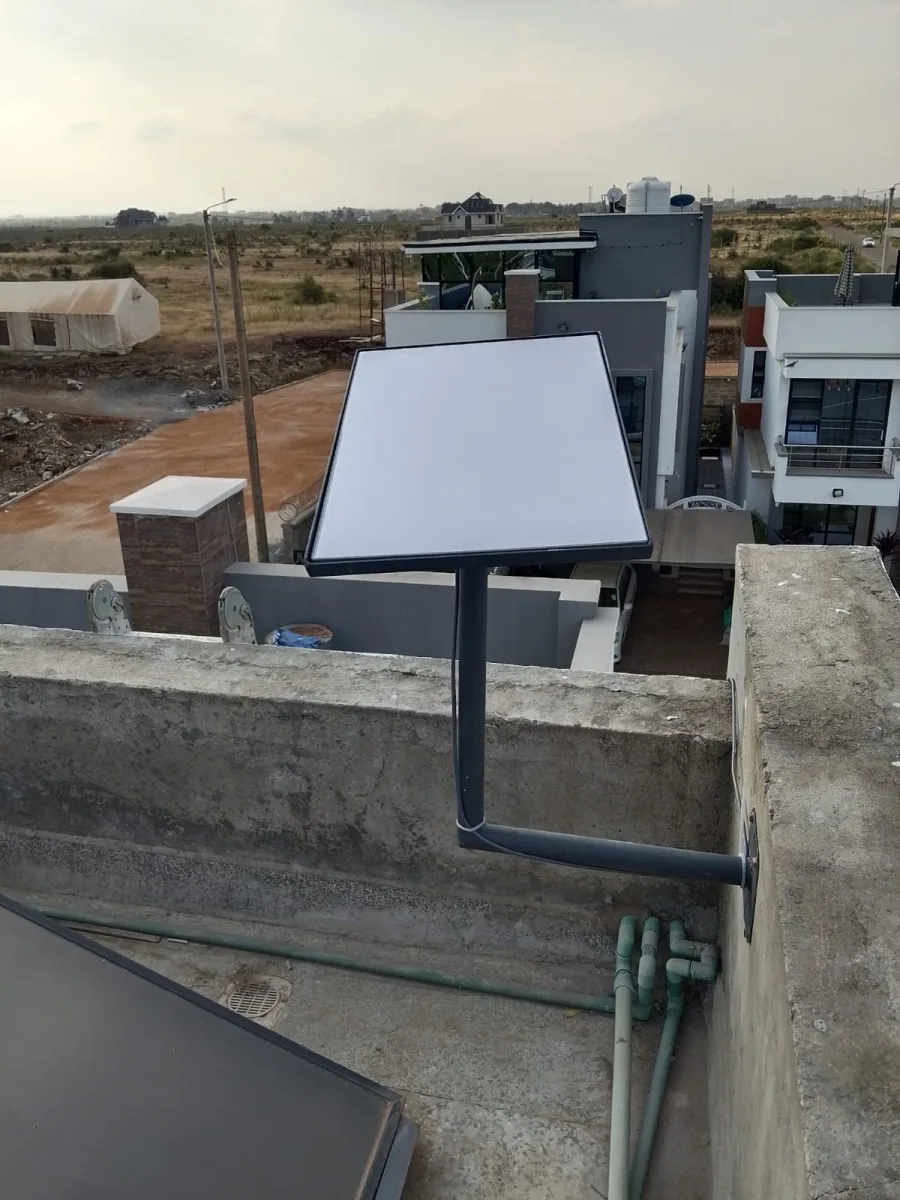
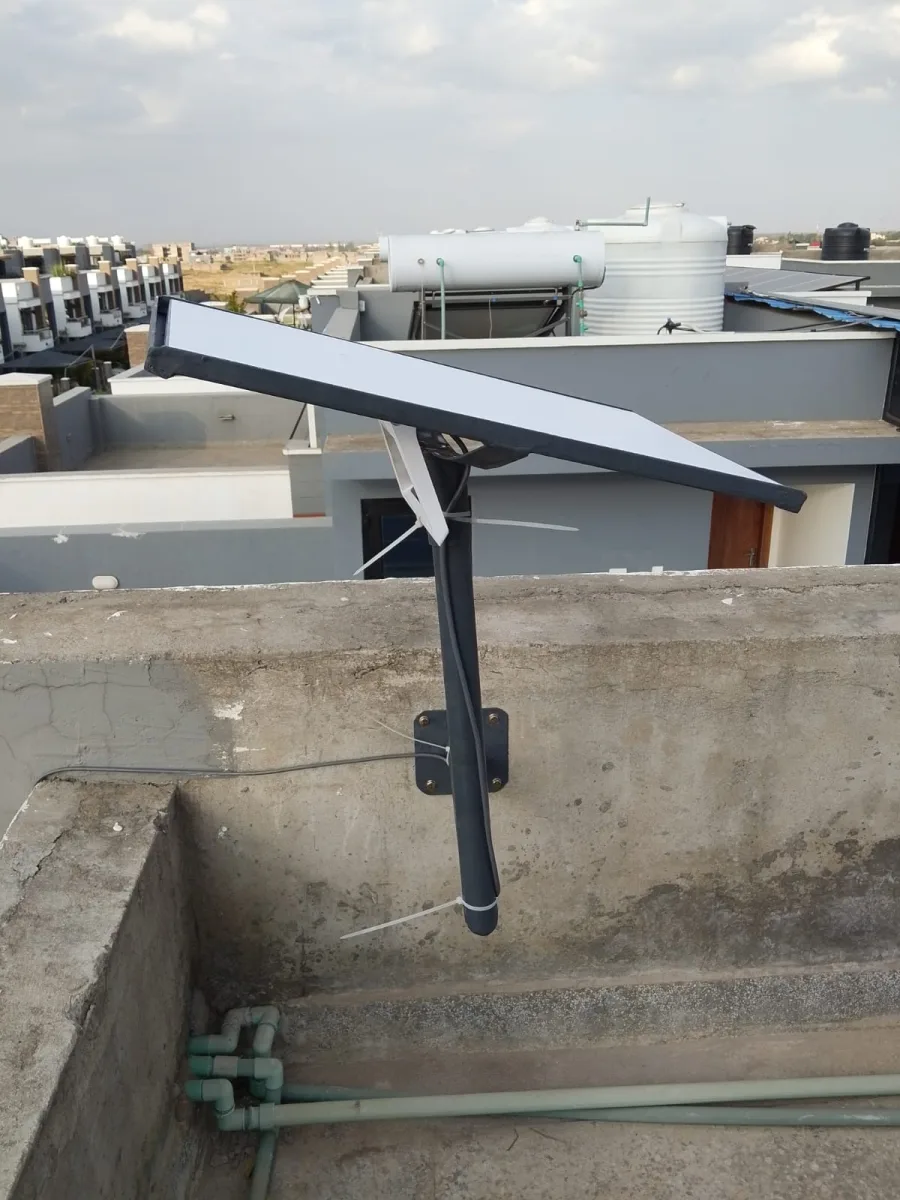
Spacekits Starlink installation services can help customers assess these requirements before installation. Spacekits currently describes its installation workflow as covering site assessment, mounting, cable routing, activation support, router placement, testing, and Wi-Fi optimization across Kenya.
What do I need to have Starlink internet connectivity at home?
For a home installation, the most important requirement is suitable Starlink equipment together with an appropriate location for the outdoor dish. You also need electrical power and a practical indoor location for the networking equipment.
The basic preparation normally includes:
- A compatible Starlink kit.
- An active Starlink service account and suitable service plan.
- A location with sufficient sky visibility.
- Reliable electrical power.
- A suitable mounting position.
- A safe route for the Starlink cable.
- An appropriate indoor location for the router.
- A smartphone or compatible device for configuration and management.
- A stable mounting solution where a permanent installation is required.
The exact equipment supplied can vary depending on the Starlink hardware generation and service purchased. For that reason, buyers should confirm the contents of their particular package before installation.
For homeowners, installation planning should also consider how many rooms need Wi-Fi coverage. A dish can have an excellent connection to the satellite while the indoor wireless network remains weak in distant rooms. Router placement, access points, mesh equipment, building materials, and the size of the property can therefore affect the final experience.
What do I need to have Starlink internet connectivity in a remote area?
Remote locations can benefit significantly from satellite connectivity, particularly where fibre, fixed wireless, or strong mobile coverage is unavailable or unreliable. However, being in a remote area does not remove the need for careful installation.
A rural or remote property should be assessed for:
- Open sky visibility.
- Safe access to the proposed mounting location.
- Electricity availability.
- Backup power requirements.
- Cable distance between the dish and router.
- Weather exposure.
- Indoor Wi-Fi requirements.
- Security of the outdoor equipment.
- Future maintenance access.
A farm may have excellent sky visibility but still require a long cable route and additional Wi-Fi access points. A lodge may have adequate power but need several wireless coverage zones. A construction site may require temporary mounting and portable power. Each environment therefore requires a slightly different installation plan.
For remote projects, it is also wise to consider power interruptions before installation day. If the property experiences frequent outages, a suitable backup-power solution can help keep networking equipment operational during interruptions.
What do I need to have Starlink internet connectivity without fibre or mobile network coverage?
What do I need to have Starlink internet connectivity – One of the main reasons people consider satellite internet is the ability to connect locations that are difficult to serve with traditional terrestrial networks. Instead of relying on a fibre cable running directly to the property or a nearby cellular tower, satellite connectivity uses an outdoor terminal to communicate with the Starlink network.
This makes the technology particularly interesting for:
- Rural homes.
- Farms.
- Ranches.
- Remote offices.
- Schools.
- Lodges.
- Camps.
- Construction sites.
- Research stations.
- Field operations.
- Holiday homes.
- Agricultural projects.
However, satellite internet still needs a suitable installation environment. A customer should not assume that because the service uses satellites, the dish can simply be placed anywhere.
Trees, buildings, walls, hills, roofing structures, and other physical obstructions can interfere with the terminal’s view of the sky. The best installation position should therefore be determined before permanently fixing the equipment.
Spacekits’ current installation guidance specifically includes sky visibility and obstruction assessment as part of the site review process.
What do I need to have Starlink internet connectivity with a clear view of the sky?
A clear view of the sky is one of the most important physical considerations.
The outdoor terminal needs an appropriate view of the sky so that it can maintain communication with the satellite network. This means that simply finding the highest point on a building is not always enough. A high position may still have trees, neighbouring buildings, water tanks, parapets, or other structures that create obstructions.
Before installation, inspect:
- The roof.
- Nearby trees.
- Tall neighbouring buildings.
- Walls and parapets.
- Poles and utility structures.
- Hills or elevated terrain.
- Possible future construction.
- The intended cable route.
- The safety of the mounting point.
For residential properties, a roof, wall, pole, or other suitable elevated mounting position may be considered depending on the building and the equipment being installed.
A professional site assessment can reduce the risk of installing the terminal in a position that later causes connectivity problems.
What do I need to have Starlink internet connectivity with professional installation?
What do I need to have Starlink internet connectivity Professional installation is not necessarily mandatory for every customer, but it can be useful when the installation involves roof access, permanent mounting, complex cable routing, difficult terrain, multiple buildings, or extensive Wi-Fi requirements.
A professional installation can cover several practical tasks:
- Reviewing the proposed installation location.
- Checking obstruction risks.
- Planning the mount.
- Securing the dish.
- Routing the cable.
- Positioning the router.
- Connecting the equipment.
- Supporting activation.
- Testing the connection.
- Checking indoor Wi-Fi.
- Providing a basic handover.
Spacekits states that its Kenya installation service covers site survey, mount planning, dish alignment, cable routing, router setup, Wi-Fi optimization, testing, and post-installation support.
Professional installation can also make the finished setup cleaner. Cables can be routed more carefully, equipment can be positioned more logically, and the mounting structure can be selected according to the property rather than relying on a temporary placement.
What do I need to have Starlink internet connectivity for a smooth installation?
Knowing What do I need to have Starlink internet connectivity helps you prepare your property correctly. What do I need to have Starlink internet connectivity includes suitable equipment, clear sky visibility, reliable power, and safe mounting.
What do I need to have Starlink internet connectivity also depends on proper cable routing. What do I need to have Starlink internet connectivity should be assessed before installation. What do I need to have Starlink internet connectivity is important for homes and offices. What do I need to have Starlink internet connectivity depends on your location.
What do I need to have Starlink internet connectivity requires suitable networking. What do I need to have Starlink internet connectivity should include power planning. What do I need to have Starlink internet connectivity matters for farms. What do I need to have Starlink internet connectivity is useful for rental properties.
What do I need to have Starlink internet connectivity is essential for managed Wi-Fi. What do I need to have Starlink internet connectivity should consider coverage. What do I need to have Starlink internet connectivity includes equipment protection. What do I need to have Starlink internet connectivity can be clarified through professional guidance. What do I need to have Starlink internet connectivity is easier when an experienced installer handles the setup.
What do I need to have Starlink internet connectivity for business use?
Businesses should consider more than simply getting the dish online.
An office may require reliable connectivity for cloud applications, video meetings, accounting platforms, point-of-sale systems, customer communication, remote work, CCTV access, file sharing, and online services.
Before installation, businesses should identify:
- Number of users.
- Number of connected devices.
- Office size.
- Number of floors.
- Wi-Fi dead zones.
- Network-critical applications.
- Backup internet requirements.
- Router and access-point locations.
- Power backup requirements.
- Security requirements.
A small office may operate effectively with the supplied networking equipment, while a larger company may need additional access points or a structured Wi-Fi network.
The distinction between internet connectivity and Wi-Fi coverage is important. Starlink provides the internet connection, but the distribution of that connection around a large building depends on the network infrastructure inside the property.
For a business, therefore, the installation assessment should include both the outdoor satellite terminal and the indoor networking environment.
What do I need to have Starlink internet connectivity for a farm?
Farms often present an interesting connectivity challenge because the property can cover a large area.
The main house might be close to the router while workers’ housing, stores, greenhouses, offices, security gates, CCTV cameras, or livestock areas may be hundreds of metres away.
A farm installation should therefore distinguish between the satellite connection and the wider property network.
For example, a farm may require:
- Starlink terminal installation.
- Main router placement.
- Outdoor access points.
- Wireless links between buildings.
- Network cabling.
- CCTV connectivity.
- Farm-office connectivity.
- Internet access for farm-management systems.
- Backup power.
- Weather-resistant networking equipment.
A clear-sky location can often be selected away from the main building if necessary, provided the installation design supports the required cable and network infrastructure.
For large farms, it is useful to plan the network before mounting the dish. This avoids the common mistake of installing the internet connection first and discovering later that the rest of the property has poor Wi-Fi coverage.
What do I need to have Starlink internet connectivity for a school or institution?
Schools, training centres, colleges, and other institutions can use satellite connectivity where conventional internet infrastructure is unavailable or insufficient.
However, an institution may have dozens or hundreds of connected devices. That makes network design especially important.
Before installation, administrators should identify:
- Computer laboratories.
- Administration offices.
- Classrooms.
- Staff areas.
- Libraries.
- Boarding facilities.
- Outdoor learning areas.
- Security systems.
- Internet access policies.
- Expected simultaneous users.
The outdoor dish only forms one part of the solution. Internal access points may be required to distribute the connection across different buildings.
Schools should also consider network management. If students and staff use the same connection, administrators may need separate networks, usage controls, bandwidth policies, or authentication systems.
A properly designed institutional network can make better use of the available internet connection than simply placing a router in the principal’s office.
What do I need to have Starlink internet connectivity for agricultural operations?
Agricultural businesses increasingly depend on digital systems for record keeping, communication, market information, farm monitoring, logistics, payments, and remote management.
Reliable internet can support activities such as:
- Digital farm records.
- Cloud-based accounting.
- Agricultural management systems.
- Communication with suppliers.
- Communication with buyers.
- Online training.
- Remote monitoring.
- CCTV.
- Digital payments.
- Weather information.
- Export coordination.
- Staff communication.
For farms located outside major towns, connectivity can become an operational advantage rather than simply a convenience.
However, agricultural installations should be planned around the realities of the environment. Dust, rain, animals, vegetation, long distances between buildings, and unstable electricity can all affect the broader network design.
A farm manager should therefore consider the Starlink terminal, power system, Wi-Fi network, and connected devices as one integrated connectivity project.
What do I need to have Starlink internet connectivity for rental properties and Airbnb?
Landlords, property managers, Airbnb operators, lodges, and guest houses can also consider satellite internet where traditional connectivity is inadequate.
For hospitality properties, the priority is often Wi-Fi coverage rather than merely having one working internet connection.
A guest house may require connectivity in:
- Guest bedrooms.
- Reception.
- Restaurant.
- Lounge.
- Outdoor seating areas.
- Staff offices.
- Parking areas.
- Security systems.
The router should therefore be positioned according to the property layout.
If the building is large or constructed using materials that weaken wireless signals, additional networking equipment may be needed.
Property owners should also think about network separation. Guest Wi-Fi can be separated from staff systems, administrative devices, payment terminals, and security equipment.
This improves network organization and reduces the possibility that guests will directly interact with sensitive business systems.
What do I need to have Starlink internet connectivity for public Wi-Fi or commercial hotspot use?
Businesses that intend to provide paid or managed Wi-Fi need to consider additional requirements beyond simply connecting a Starlink terminal.
For a commercial hotspot, the operator may require:
- A suitable Starlink connection.
- Router or networking equipment.
- Wi-Fi access points.
- A hotspot management platform.
- User authentication.
- Payment integration.
- Usage monitoring.
- Bandwidth management.
- Customer support procedures.
A hotspot business can operate in places such as shops, waiting areas, market centres, accommodation facilities, offices, entertainment venues, and other public spaces, subject to applicable service terms and local requirements.
The internet connection should be sized according to the expected number of simultaneous users. A connection designed for a family of five may not provide the same experience when dozens of customers are connected at the same time.
For operators interested in monetizing connectivity, network management software can help control user access and organize paid packages.
What do I need to have Starlink internet connectivity and strong Wi-Fi throughout a building?
Having an operational satellite terminal does not automatically guarantee strong Wi-Fi everywhere.
The wireless network can be affected by:
- Concrete walls.
- Metal roofing.
- Multiple floors.
- Building size.
- Furniture.
- Distance from the router.
- Interference.
- Number of connected devices.
- Router placement.
For a small home, a central router location may provide adequate coverage.
For a large house, office, hotel, school, or farm, additional access points or mesh equipment may be more appropriate.
The goal should be to design the Wi-Fi network around the building instead of expecting the router to cover every location from one room.
Spacekits’ residential installation guidance specifically highlights router placement and optional mesh Wi-Fi planning for larger homes.
What do I need to have Starlink internet connectivity when electricity is unreliable?
Electricity is an essential consideration because the Starlink equipment and network equipment need power to operate.
Properties with unreliable electricity should consider backup power before installation.
Possible approaches depend on the property and equipment requirements and can include:
- UPS systems.
- Inverters.
- Solar power systems.
- Battery storage.
- Generator backup.
The appropriate option depends on the site’s electrical load and the amount of backup time required.
For a rural farm, solar and battery storage may be attractive where grid electricity is unavailable. For an office, a UPS may help bridge short interruptions while longer outages may require a larger backup system.
Power planning should include the entire connectivity chain rather than only the satellite terminal. If the router or access point loses power, users will still lose Wi-Fi even if the outdoor terminal remains operational.
What do I need to have Starlink internet connectivity for an office with video meetings?
Remote workers and businesses often consider satellite internet because video conferencing, cloud platforms, messaging applications, and online collaboration depend on stable connectivity.
A suitable office setup should consider:
- The number of employees.
- Meeting-room locations.
- Video-call requirements.
- Cloud applications.
- Upload requirements.
- Download requirements.
- Wi-Fi coverage.
- Backup connectivity.
- Power stability.
The physical placement of the router matters because an employee sitting several rooms away from the router may experience a weaker wireless connection than a person sitting directly beside it.
For offices, it is also useful to conduct a Wi-Fi coverage check after installation. The objective is to determine whether the connection is strong where employees actually work.
A business can have excellent internet entering the building and still experience poor performance because of an inadequate internal wireless network.
What do I need to have Starlink internet connectivity if I already own the equipment?
If you already own a compatible kit, you may not need to purchase another hardware package simply to arrange installation.
The first step is to confirm that you have the necessary equipment and that it is in usable condition.
Before booking an installer, prepare:
- Photos of the equipment.
- The kit model if available.
- The power equipment.
- The cable.
- The router.
- Mounting accessories.
- Your location.
- Photos of the proposed installation area.
- Information about roof or wall access.
Spacekits currently states that it can install customer-owned Starlink kits as well as provide broader installation support.
This approach can be useful for customers who purchased equipment separately and now require professional mounting, cable routing, activation assistance, router positioning, or testing.
What do I need to have Starlink internet connectivity before choosing a mounting position?
Do not select a mounting position based only on convenience.
A good mounting location should balance:
- Sky visibility.
- Structural safety.
- Accessibility.
- Cable distance.
- Weather exposure.
- Router placement.
- Security.
- Future maintenance.
A roof may provide an excellent sky view but may be difficult to access safely. A wall may be easier to service but could have nearby obstructions. A pole can provide flexibility but needs an appropriate installation method and stable support.
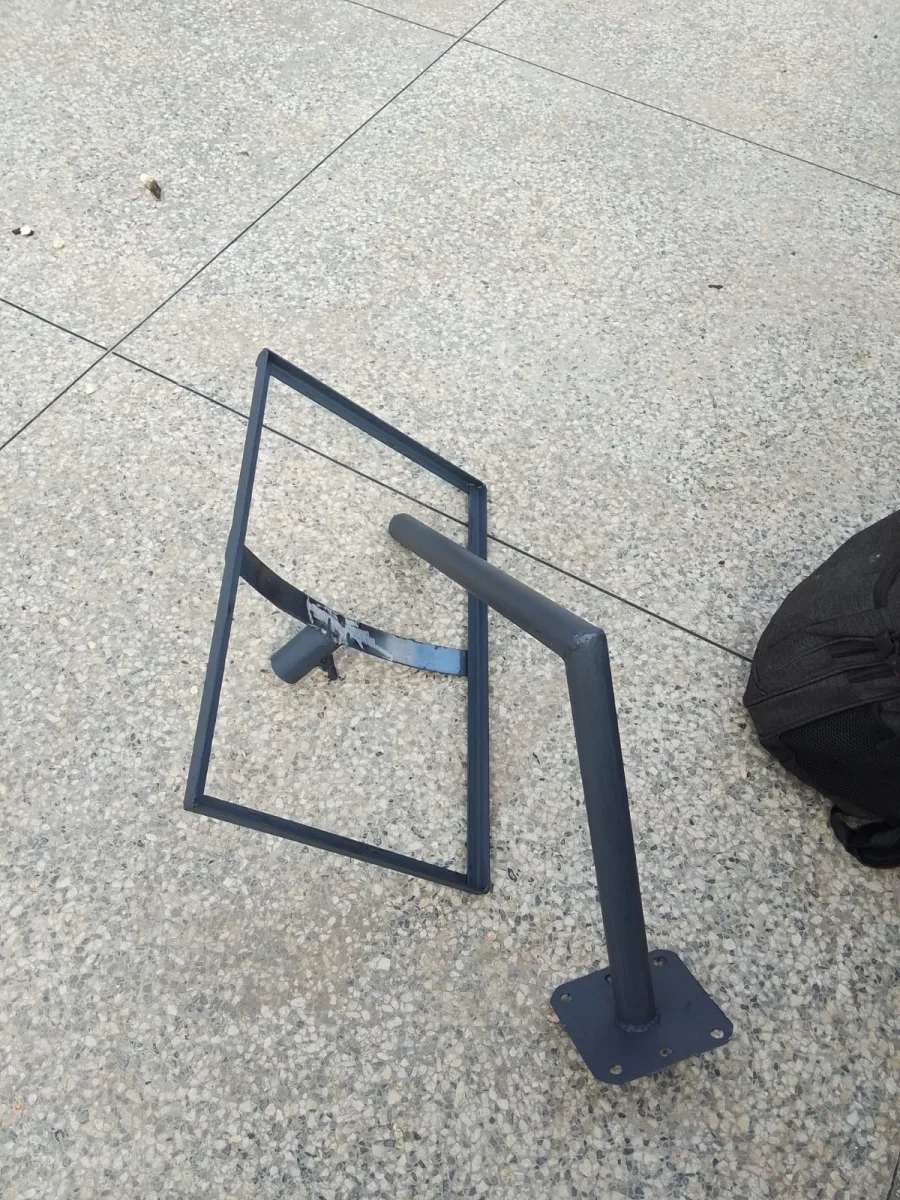
For permanent installations, the mount should be appropriate for the structure and environment.
Cable routing also matters. Avoid unnecessary cable exposure, sharp bends, poorly protected entry points, and routes that create trip hazards.
Spacekits’ current installation process includes mount-point selection, safety checks, cable-path planning, indoor router placement, and final testing.
What do I need to have Starlink internet connectivity before installation day?
Preparation can make installation faster and reduce unnecessary delays.
A customer should ideally have the following information ready:
Location:
Provide the town, estate, county, landmark, or location pin.
Property type:
Explain whether it is a home, apartment, office, farm, school, lodge, shop, or remote site.
Kit status:
State whether you already own the equipment or need help sourcing it.
Mounting preference:
If you have already identified a possible roof, wall, or pole location, provide photos.
Power availability:
Mention whether the property has stable electricity and whether backup power is available.
Internet use:
Explain whether the connection will be used for normal browsing, remote work, business applications, CCTV, public Wi-Fi, or many users.
Installation timeline:
State whether the requirement is urgent or planned for a future date.
Spacekits’ quote process currently asks customers to share information such as location, kit status, use case, and timeline before a quote is prepared.
What do I need to have Starlink internet connectivity after the installation is completed?
The installation should not end as soon as the dish begins communicating with the network.
A useful handover should establish that:
- The terminal is properly mounted.
- The cable is safely routed.
- The router is correctly connected.
- The service is active.
- The Wi-Fi network is visible.
- Devices can connect.
- The installation area is safe.
- The customer understands basic equipment operation.
- The customer knows where to seek support.
A speed test can also provide a useful baseline, although internet performance can vary based on network conditions, service configuration, Wi-Fi conditions, device capabilities, and other factors.
Spacekits says its installation workflow includes final checks, speed testing, practical usage guidance, and handover support.
What do I need to have Starlink internet connectivity if I need an installer in Kenya?
Customers who are uncomfortable with roof work, cable routing, equipment configuration, or network optimization can work with an installation provider.
Spacekits currently advertises installer support for rooftops, wall mounts, pole mounts, compounds, offices, lodges, schools, farms, and remote projects across Kenya. Its installer page also highlights checks for sky visibility, obstruction risk, cable paths, power readiness, and router position.
This can be especially useful when the installation site is unfamiliar or technically challenging.
When choosing an installer, customers should ask for a clear scope of work rather than accepting a vague installation promise. The quote should ideally indicate what is included and what may cost extra, such as special mounting hardware, extended cable requirements, difficult roof access, additional networking equipment, or travel to remote locations.
What do I need to have Starlink internet connectivity for a residential property?
Residential users should focus on both internet availability and practical household usage.
A successful home installation should account for:
- Where the dish will be installed.
- Where the router will be placed.
- Which rooms require connectivity.
- How many people will use the network.
- Whether smart TVs need internet access.
- Whether CCTV cameras need connectivity.
- Whether remote workers need stable Wi-Fi.
- Whether children require internet access for learning.
- Whether outdoor areas need coverage.
For larger homes, additional access points can be considered.
For apartments, building rules and roof access may affect the installation plan. Customers should confirm whether they have permission to use shared roof areas or install equipment externally.
Spacekits currently provides residential installation support for standalone homes, apartments, maisonettes, gated estates, and family compounds where safe mounting and suitable sky visibility are possible.
What do I need to have Starlink internet connectivity when moving to a new property?
Moving the equipment from one property to another may require a fresh installation assessment.
The new location may have a completely different roof structure, sky visibility, cable route, power arrangement, and Wi-Fi layout.
Before relocating the system, check:
- The new property’s sky visibility.
- Safe mounting options.
- Cable requirements.
- Router position.
- Power availability.
- Wi-Fi coverage.
- Account and service considerations.
- Any property-management restrictions.
A customer who moves from a rural home to an apartment, for example, may require a completely different mounting solution.
Likewise, a business relocating offices may need additional access points even if the satellite terminal itself remains the same.
What do I need to have Starlink internet connectivity for a reliable long-term setup?
Long-term reliability depends on more than the initial activation.
The installation should be periodically checked for:
- Physical mount stability.
- Cable condition.
- Water ingress risks.
- Router placement.
- Wi-Fi coverage.
- Power reliability.
- Obstructions caused by growing vegetation.
- Changes to surrounding buildings.
- Equipment overheating or environmental exposure.
Trees can grow into previously clear areas, while new construction can create obstructions that were not present during installation.
It is therefore useful to keep the installation documentation, photographs, equipment details, and support contacts after the project is complete.
A clear record makes future troubleshooting easier.
What do I need to have Starlink internet connectivity for a digital business in Kenya?
For a digitally connected business, internet availability can support communication, customer service, online transactions, cloud applications, digital marketing, accounting, remote collaboration, and operational systems.
But businesses should avoid treating internet connectivity as a single piece of equipment.
A complete connectivity strategy can include:
Internet source:
The satellite connection provides the primary internet pathway.
Network distribution:
Routers and access points distribute connectivity to users.
Security:
Passwords, network separation, and appropriate access controls protect connected devices.
Power:
UPS, battery, solar, or generator systems can reduce downtime during electricity interruptions.
Monitoring:
Network monitoring can help identify connectivity problems quickly.
Support:
A reliable installation and support process can shorten troubleshooting time.
This approach is particularly important for businesses that depend on the internet for daily operations.
What do I need to have Starlink internet connectivity when the property has many users?
High user numbers change the network planning requirements.
A family using several phones and laptops is different from a hotel with dozens of guests. A school with hundreds of students is different from a small office.
As the number of users increases, administrators should consider:
- Network capacity.
- Access-point placement.
- Bandwidth management.
- User authentication.
- Guest-network separation.
- Device limits.
- Security policies.
- Monitoring.
- Backup connectivity.
For hospitality and commercial environments, the Wi-Fi network should be designed around expected traffic patterns.
This is why a professional site assessment can be more valuable than simply installing the router in the nearest convenient room.
What do I need to have Starlink internet connectivity and monetize the connection?
Where the service arrangement and applicable policies permit commercial use, a business may build a managed connectivity service around the internet connection.
Potential applications include:
- Guest Wi-Fi.
- Paid hotspot access.
- Managed accommodation Wi-Fi.
- Office connectivity.
- Community connectivity.
- Remote-site connectivity.
- Event connectivity.
A managed Wi-Fi platform can provide user authentication, package management, payment workflows, access control, and usage management.
However, commercial operators should first confirm the applicable Starlink service terms and local requirements for their intended use.
The technology should also be sized for the number of users expected. Monetizing a connection without planning capacity can result in poor customer experience.
What do I need to have Starlink internet connectivity and protect the equipment?
The outdoor terminal is exposed to environmental conditions, so physical installation quality matters.
Customers should consider:
- Strong mounting.
- Appropriate cable routing.
- Secure equipment positioning.
- Protection against accidental damage.
- Safe electrical connections.
- Proper weather exposure management.
- Controlled access where theft or vandalism is a concern.
On farms and remote properties, the equipment may be more exposed to animals, workers, weather, and accidental impact.
On commercial properties, mounting should also consider unauthorized access.
A neat and secure installation can make future inspection and maintenance easier.
What do I need to have Starlink internet connectivity and choose the right installer?
The right installer should be able to explain the installation rather than simply quote a price.
Before accepting a quotation, ask:
- What does the installation include?
- Is site assessment included?
- What mounting method is proposed?
- How will the cable be routed?
- Where will the router be placed?
- Will the connection be tested?
- Is Wi-Fi coverage checked?
- Are additional accessories required?
- What happens if the proposed mounting point is unsuitable?
- Is post-installation support available?
A transparent installation provider should be able to answer these questions clearly.
Spacekits currently publishes a structured installation process involving site review, mounting, cable routing, activation, testing, and Wi-Fi optimization.
What do I need to have Starlink internet connectivity before requesting a quote?
The fastest way to receive a useful quotation is to provide enough information about the property.
Prepare:
1. Your location
Give the town, estate, county, landmark, or location pin.
2. Your property type
Mention whether it is residential, commercial, agricultural, educational, hospitality, or remote.
3. Your equipment status
State whether you already have the Starlink kit.
4. Installation photographs
Provide clear photographs of the roof, wall, pole, compound, or proposed mounting location.
5. Power information
Explain whether you have stable electricity or require backup-power planning.
6. Connectivity requirements
Explain how many people and devices will use the connection.
7. Wi-Fi coverage requirements
Identify the rooms, buildings, or outdoor areas that need coverage.
8. Preferred installation date
This helps the installer determine scheduling requirements.
Spacekits currently advertises installation support throughout Kenya and states that it serves homes, offices, lodges, schools, farms, and remote sites.
What do I need to have Starlink internet connectivity for a smooth installation process?
A smooth installation starts with planning.
The first stage is determining the service requirement and confirming the equipment. The next stage is reviewing the property and identifying a suitable installation point.
After the site is assessed, the installer can determine the mounting approach and cable route. Once mounted, the equipment can be connected and configured.
The router should then be positioned according to the property’s Wi-Fi requirements.
Testing should follow installation. This should include checking the service connection and reviewing whether the indoor wireless network reaches the areas that users actually need.
The final step is handover. Customers should understand basic operation, power considerations, troubleshooting steps, and how to request support.
Spacekits’ residential setup guidance describes a workflow that includes kit preparation, mounting, activation support, Wi-Fi testing, and customer handover.
What do I need to have Starlink internet connectivity checklist for Kenya customers
Before booking an installation, use this practical checklist:
Equipment checklist
- Compatible Starlink equipment.
- Router.
- Required cables.
- Power equipment.
- Mounting accessories where applicable.
Location checklist
- Suitable sky visibility.
- Minimal obstruction risk.
- Safe mounting position.
- Accessible installation area.
- Appropriate cable route.
Power checklist
- Reliable electricity.
- Suitable electrical connections.
- Backup power where required.
Network checklist
- Correct router location.
- Adequate Wi-Fi coverage.
- Additional access points if required.
- Separate guest or business networks where appropriate.
Installation checklist
- Site assessment.
- Mount installation.
- Cable routing.
- Activation support.
- Connection testing.
- Wi-Fi testing.
- Customer handover.
Support checklist
- Installer contact details.
- Equipment information.
- Installation photographs.
- Basic troubleshooting instructions.
- Future maintenance plan.
What do I need to have Starlink internet connectivity for different locations in Kenya?
The requirements can differ substantially depending on where the system will be installed.
A Nairobi apartment may require careful building access and a wall or roof mounting plan. A rural farm may need a pole mount, long-range Wi-Fi, and backup power. A lodge may require multiple access points. A school may require network segmentation and extensive coverage. A construction site may need a temporary installation.
Spacekits states that it supports installations across all 47 counties, including remote sites.
That nationwide approach is useful because installation challenges are often site-specific.
The most important step is therefore not simply asking whether satellite internet can work at a location. Instead, assess whether the property can support a safe, clear-sky, powered, properly networked installation.
What do I need to have Starlink internet connectivity and avoid common installation mistakes?
Several avoidable mistakes can affect the final experience.
Installing without checking obstructions:
A location may appear open but have trees or structures within the relevant sky view.
Putting the router in the wrong room:
The satellite terminal may work perfectly while household Wi-Fi remains weak.
Ignoring power interruptions:
Frequent outages can interrupt the internet connection unless backup power is planned.
Using unsuitable mounting:
Temporary placement may not be appropriate for long-term use.
Ignoring cable management:
Poor cable routing can create safety and durability problems.
Forgetting future maintenance:
Equipment should be installed where inspection and servicing remain practical.
Failing to test Wi-Fi coverage:
Internet availability at the router does not prove that every room has a good wireless connection.
Underestimating user demand:
A network for five users needs different planning from one serving dozens of customers.
Avoiding these mistakes makes the installation more dependable and easier to maintain.
What do I need to have Starlink internet connectivity for the best possible setup?
The best setup begins with matching the installation to the actual use case.
For a home, prioritize safe mounting, good router placement, and coverage throughout frequently used rooms.
For an office, prioritize reliable connectivity, video meetings, cloud applications, security, and user capacity.
For a farm, prioritize clear sky visibility, power backup, long-range network distribution, and connectivity between buildings.
For a school, prioritize coverage, user management, network security, and capacity.
For a lodge or Airbnb, prioritize guest Wi-Fi coverage, network separation, reliability, and simple support.
For a remote project, prioritize power, equipment security, accessibility, and resilience.
The key lesson is that satellite internet connectivity is a complete system rather than a single device. The outdoor terminal establishes the connection, while the mounting, cabling, power, router, access points, and network configuration determine how effectively that connection is delivered to users.
For customers in Kenya, Spacekits currently offers installation services that include site review, mounting, cable routing, activation support, router configuration, testing, and Wi-Fi optimization.
If you are preparing a new installation, the most useful information to send an installer is your exact location, property type, whether you already have the kit, photographs of the proposed installation area, your power situation, and how many rooms or buildings require internet access.
Request a Starlink installation quote from Spacekits and provide the location, kit status, intended use, and installation timeline so the appropriate setup can be assessed before the work begins.
Need Starlink Installation or Network Optimization?
We help homes, offices, apartments, and businesses with Starlink installation, WiFi coverage improvement, and professional setup in Kenya.
Request Installation Chat on WhatsApp