

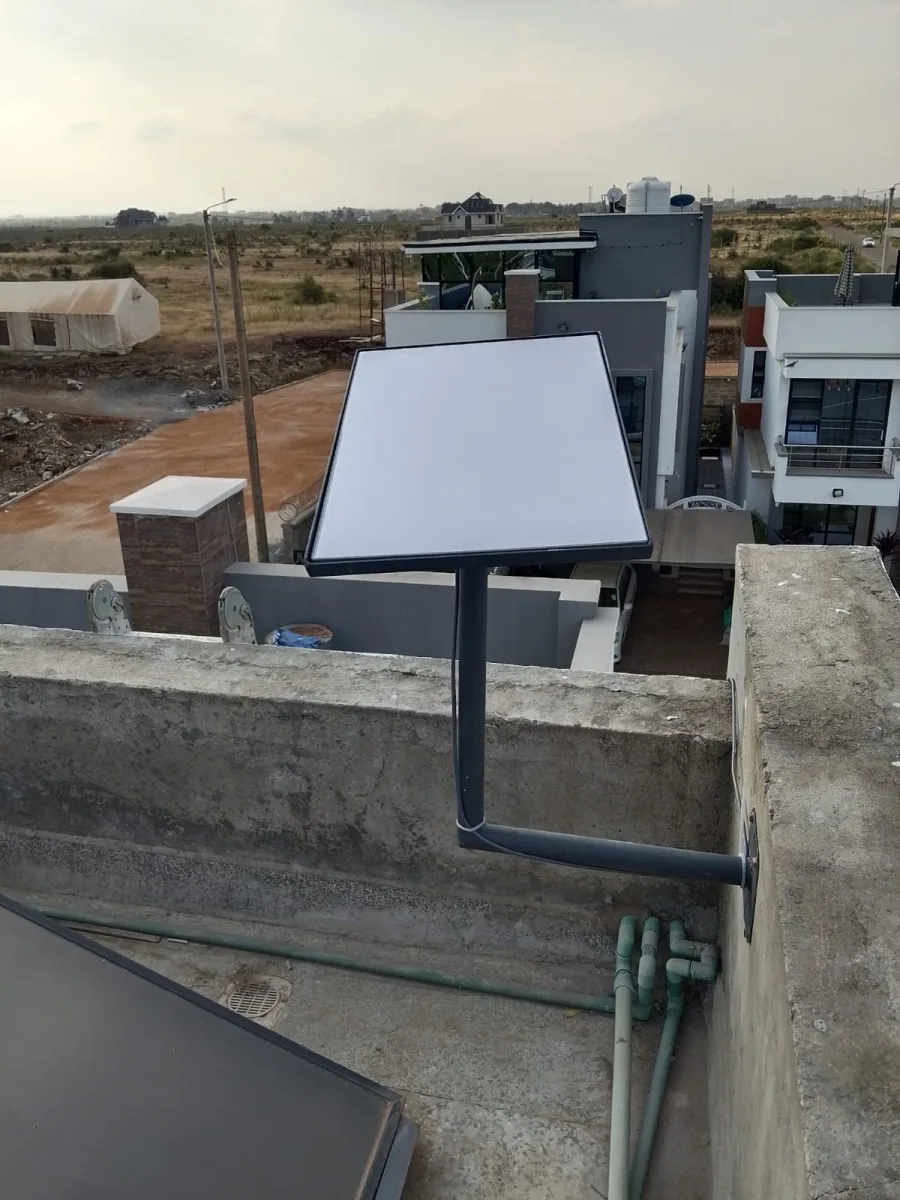
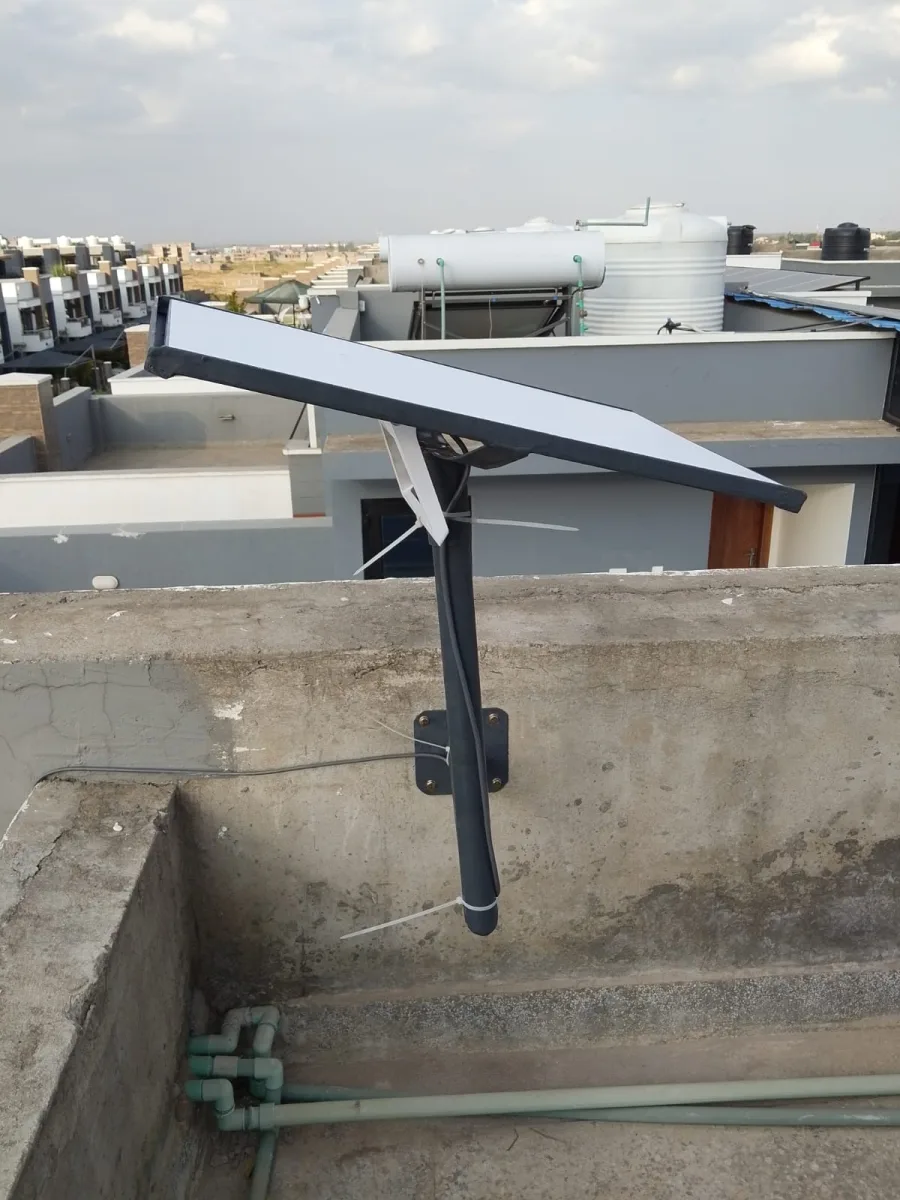

Need Starlink Installation or Network Optimization?
We help homes, offices, apartments, and businesses with Starlink installation, WiFi coverage improvement, and professional setup in Kenya.
Request Installation Chat on WhatsApp
Starlink for Schools Kenya Buyer Checklist: 14 Best Deployment Checks
Starlink for remote offices Kenya selection guide helps homes, offices, schools, lodges, farms, construction sites and remote operations across Kenya replace disconnected notes, spreadsheets and verbal follow-up with an accountable daily process. The strongest result is not simply more technology; it is clearer ownership, faster response and dependable evidence. This guide focuses on business continuity, VPN planning, power backup, monitoring and field support so buyers can compare options against operational needs rather than attractive demonstrations alone.
Talk to Spacekits
Need Starlink help for your home or business?
Talk to Spacekits before you buy or book installation. We help with kit supply, mounting, activation, router placement, WiFi coverage, and written quotes.
Why Starlink for remote offices Kenya selection guide Matters for Kenyan Operations
A successful project begins with a measurable problem. Teams should record current delays, recurring errors, customer complaints and reporting gaps before selecting a product. That baseline makes it possible to determine whether Starlink for remote offices Kenya selection guide has produced a real improvement after implementation.
The platform should fit Kenya’s practical operating conditions, including mobile access, M-Pesa-related workflows where relevant, variable connectivity and teams with different levels of technical confidence. Clear screens and controlled exceptions normally create more value than an oversized feature list.
Explore the official Spacekits website for Starlink kit supply, installation, package guidance, Wi-Fi coverage design and technical support. Buyers can also review related guidance in the Spacekits resource centre.
15 Controls to Evaluate Before Buying Starlink for remote offices Kenya selection guide
1. Map the current workflow
Document how work starts, who owns each decision, which evidence is required and where delays normally occur. A system should simplify the real workflow rather than digitise confusion. For Starlink for remote offices Kenya selection guide, this control should be demonstrated with a realistic example covering business continuity, VPN planning, power backup, monitoring and field support. Ask who owns the exception, what evidence remains and how a manager confirms completion.
2. Define user roles and permissions
Separate administrator, manager, cashier, operator and read-only access. Permissions reduce accidental changes and make accountability visible without slowing authorised staff. For Starlink for remote offices Kenya selection guide, this control should be demonstrated with a realistic example covering business continuity, VPN planning, power backup, monitoring and field support. Ask who owns the exception, what evidence remains and how a manager confirms completion.
3. Standardise master data
Agree naming rules, identifiers, categories and required fields before migration. Clean master data makes reports comparable and prevents duplicate records from weakening trust. For Starlink for remote offices Kenya selection guide, this control should be demonstrated with a realistic example covering business continuity, VPN planning, power backup, monitoring and field support. Ask who owns the exception, what evidence remains and how a manager confirms completion.
4. Capture complete audit history
Important actions should retain the responsible user, date, time, previous value and new value. This evidence supports review, training and faster investigation. For Starlink for remote offices Kenya selection guide, this control should be demonstrated with a realistic example covering business continuity, VPN planning, power backup, monitoring and field support. Ask who owns the exception, what evidence remains and how a manager confirms completion.
5. Design exception queues
Managers need a short list of overdue, unmatched, failed or unusual items. Exception-led work is more useful than forcing teams to search through every normal transaction. For Starlink for remote offices Kenya selection guide, this control should be demonstrated with a realistic example covering business continuity, VPN planning, power backup, monitoring and field support. Ask who owns the exception, what evidence remains and how a manager confirms completion.
6. Make mobile use practical
Test common tasks on the phones and connections staff actually use. Pages should load quickly, controls should be clear and unnecessary typing should be minimised. For Starlink for remote offices Kenya selection guide, this control should be demonstrated with a realistic example covering business continuity, VPN planning, power backup, monitoring and field support. Ask who owns the exception, what evidence remains and how a manager confirms completion.
7. Protect personal and business data
Collect only necessary information, restrict access, use secure connections and define retention. Privacy and security should be designed into normal work, not added after launch. For Starlink for remote offices Kenya selection guide, this control should be demonstrated with a realistic example covering business continuity, VPN planning, power backup, monitoring and field support. Ask who owns the exception, what evidence remains and how a manager confirms completion.
8. Plan integrations carefully
Confirm the source of truth, data format, validation rules, retry behaviour and ownership when an integration fails. A connection without exception handling creates hidden risk. For Starlink for remote offices Kenya selection guide, this control should be demonstrated with a realistic example covering business continuity, VPN planning, power backup, monitoring and field support. Ask who owns the exception, what evidence remains and how a manager confirms completion.
9. Create useful notifications
Alerts should identify the item, urgency, owner and next action. Too many generic notifications train users to ignore the channel that should help them respond. For Starlink for remote offices Kenya selection guide, this control should be demonstrated with a realistic example covering business continuity, VPN planning, power backup, monitoring and field support. Ask who owns the exception, what evidence remains and how a manager confirms completion.
10. Build management reporting from decisions
Every report should support a specific decision, such as what needs follow-up, where money is stuck or which location needs help. Decorative dashboards rarely change outcomes. For Starlink for remote offices Kenya selection guide, this control should be demonstrated with a realistic example covering business continuity, VPN planning, power backup, monitoring and field support. Ask who owns the exception, what evidence remains and how a manager confirms completion.
11. Test realistic scenarios
Use normal, peak, reversal, cancellation, duplicate and offline cases during acceptance testing. Happy-path demonstrations are not enough for a dependable operational system. For Starlink for remote offices Kenya selection guide, this control should be demonstrated with a realistic example covering business continuity, VPN planning, power backup, monitoring and field support. Ask who owns the exception, what evidence remains and how a manager confirms completion.
12. Train by role
Teach each user the few tasks they perform most often, then give supervisors deeper exception and reporting skills. Short role-based practice produces better adoption than one long generic session. For Starlink for remote offices Kenya selection guide, this control should be demonstrated with a realistic example covering business continuity, VPN planning, power backup, monitoring and field support. Ask who owns the exception, what evidence remains and how a manager confirms completion.
13. Launch in controlled stages
Pilot with a representative team, measure errors and response time, then expand after the process is stable. A staged launch protects daily operations and reveals practical improvements. For Starlink for remote offices Kenya selection guide, this control should be demonstrated with a realistic example covering business continuity, VPN planning, power backup, monitoring and field support. Ask who owns the exception, what evidence remains and how a manager confirms completion.
14. Agree support and ownership
Define who handles user questions, data corrections, configuration, integrations and urgent incidents. Clear ownership prevents small problems from remaining unresolved. For Starlink for remote offices Kenya selection guide, this control should be demonstrated with a realistic example covering business continuity, VPN planning, power backup, monitoring and field support. Ask who owns the exception, what evidence remains and how a manager confirms completion.
15. Review measurable outcomes
Compare the baseline with results after launch: turnaround time, error rate, completion rate, revenue visibility or customer response. Improvement should be demonstrated with evidence. For Starlink for remote offices Kenya selection guide, this control should be demonstrated with a realistic example covering business continuity, VPN planning, power backup, monitoring and field support. Ask who owns the exception, what evidence remains and how a manager confirms completion.
How to Implement Starlink for remote offices Kenya selection guide Without Disrupting Daily Work
Begin with one representative workflow and a named business owner. Confirm the data fields, permissions, alerts, reports and exception paths before loading historical records. The pilot team should process realistic examples and document every confusing step. This turns feedback into controlled configuration rather than last-minute improvisation.
Migration should prioritise accurate active records. Archive or clean duplicates, agree opening balances where financial information is involved and reconcile totals before users depend on the new reports. Keep a signed acceptance checklist covering critical tasks, integrations, exports, backups and recovery.
During the first weeks, review incomplete items daily. Supervisors should distinguish a training question from a system defect or a process decision. Rapid classification prevents repeated workarounds and helps Starlink for remote offices Kenya selection guide become the normal source of truth.
Common Buying and Implementation Mistakes to Avoid
Choosing from a demonstration alone
A polished demonstration normally follows ideal data and a prepared path. Ask the supplier to process one of your realistic scenarios, including a mistake, correction, cancellation and manager review. Buyers should see how the platform behaves when information is incomplete or an integration is unavailable. This reveals whether daily work will remain controlled after the sales presentation ends.
Migrating unreliable data without review
Moving every historical spreadsheet can reproduce duplicates, outdated contacts and unexplained balances. Decide which records are operationally necessary, clean them, document totals and retain a separate archive when appropriate. Assign business users—not only technical staff—to approve the migration because they understand what the figures should mean.
Giving every user broad access
Wide permissions may feel convenient during setup, but they weaken accountability and increase the impact of mistakes. Start with the minimum access each role needs, provide a controlled escalation route and review privileged accounts regularly. Temporary permissions should have a clear expiry and responsible approver.
Ignoring exception ownership
Automation does not remove unusual cases. Payments can be unmatched, records duplicated, approvals delayed and integrations interrupted. Define who receives each exception, the expected response time and the evidence required to close it. A visible queue with ageing is better than private messages that managers cannot audit.
Measuring activity instead of outcomes
Login counts and records created do not prove value. Measure whether service became faster, errors declined, revenue became clearer or customers received more consistent responses. Connect each dashboard metric to a decision and nominate the person responsible for acting when performance moves outside an acceptable range.
A Practical 90-Day Rollout Plan
Days 1–15: discovery and baseline
Map the current workflow, confirm the sponsor, list users and record baseline measures. Identify personal data, financial controls, integrations and reports that require special attention. Agree the minimum successful scope so optional ideas do not distract the team from the operational problem.
Days 16–35: configuration and data preparation
Configure roles, forms, statuses, notifications and reports. Clean active records and test a small import before loading the full approved set. Write acceptance scenarios in plain language and assign users who will confirm each result. This phase should produce a traceable configuration record.
Days 36–55: pilot and correction
Run the solution with a representative group under normal working conditions. Capture questions, defects and policy decisions separately, then correct them in priority order. Reconcile outputs with the old process and require managers to confirm that exceptions, totals and audit history are trustworthy.
Days 56–75: phased rollout
Expand by team, branch or workflow while maintaining daily support. Watch completion rates and exception ageing rather than waiting for end-of-month reports. Share short instructions for common tasks, nominate local champions and keep configuration changes controlled so every team uses the same process.
Days 76–90: stabilisation and benefits review
Compare results with the baseline, review outstanding issues and confirm long-term ownership. Retire duplicate manual trackers only after the new records are reconciled and recoverable. Prioritise the next improvements according to measurable value, regulatory need and user effort instead of adding features simply because they are available.
Internal and External Resources for Responsible Decisions
Internal product details are available from Spacekits, while current educational articles are published on the spacekits.co.ke blog. For independent guidance, consult Starlink Kenya and Communications Authority of Kenya. External sources should support compliance and technical verification; they should not be used as decorative links.
Frequently Asked Questions About Starlink for remote offices Kenya selection guide
What should buyers evaluate first?
Start with the operating problem, users, required evidence and decisions. Evaluate Starlink for remote offices Kenya selection guide against the workflow that must improve, not against the longest feature list.
How long should implementation take?
Timing depends on data quality, integrations, configuration and user availability. A controlled pilot is safer than a rushed organisation-wide switch.
How can a business protect its data?
Use role-based access, secure connections, audit history, backups, retention rules and documented incident ownership. Review applicable guidance from Starlink Kenya.
What makes adoption successful?
Simple screens, role-based training, supervisor support and prompt correction of early issues. Users adopt a system when it helps them complete real work reliably.
How should value be measured?
Track a small baseline such as turnaround time, error rate, completion rate, collection visibility or customer response, then compare it after launch.
Final Buying Checklist for Starlink for remote offices Kenya selection guide
Choose a solution that solves the documented workflow, protects necessary data, makes exceptions visible and gives managers evidence they can act on. Confirm ownership, support, migration, training, security and measurable outcomes in writing. A disciplined decision creates a system staff can trust and leadership can improve over time.
Related Kenyan Business and Technology Resources
Use these verified Kenyan resources for related software, connectivity, property, mobility and business-service research:
- Zama Web Experts
- Vega POS
- Prim salon software
- Rental marketplace Kenya
- RentalDesk property software
- Pawa Kenya
- Dereva Kenya
To discuss Starlink for remote offices Kenya selection guide for your organisation, visit Spacekits or call/WhatsApp 0725345345 for a guided consultation.
Related Starlink Guides and Trusted Business Websites
Continue reading our internal guides: Starlink installation Kenya guide and Starlink for schools Kenya guide.
External websites: prim.co.ke, vega.co.ke, awasam.co.ke, zama.co.ke, spacekits.co.ke, rentaldesk.co.ke, pos.co.ke, dereva.co.ke.
Need Starlink Installation or Network Optimization?
We help homes, offices, apartments, and businesses with Starlink installation, WiFi coverage improvement, and professional setup in Kenya.
Request Installation Chat on WhatsApp