

Need Starlink Installation or Network Optimization?
We help homes, offices, apartments, and businesses with Starlink installation, WiFi coverage improvement, and professional setup in Kenya.
Request Installation Chat on WhatsAppExpanded 8 October 2026.

Starlink installation cost in Kenya depends on the work required at the actual property. A quotation for mounting a customer-owned kit is different from a proposal that includes equipment supply, a permanent mount, cable work, travel and an indoor network serving several buildings. Before comparing totals, ask each provider to explain exactly what is included.
Talk to Spacekits
Need Starlink help for your home or business?
Talk to Spacekits before you buy or book installation. We help with kit supply, mounting, activation, router placement, WiFi coverage, and written quotes.
This guide helps households and organisations in Nairobi, Kiambu, Machakos, Laikipia and Western Kenya prepare a useful brief and compare installation proposals. It does not publish an invented universal price. Ask SpaceKits for a current written quotation for your location, and confirm current equipment and subscription charges through the appropriate supplier and official service channels.
The four budgets hidden inside one installation enquiry
Most customers begin with one question: how much will the installation cost? The answer becomes clearer when the project is separated into equipment purchase, physical installation, local networking and recurring service. These parts are related, but they may be supplied or billed by different organisations. A single headline amount can conceal an important exclusion.
Equipment purchase means the kit and any specified accessories. Physical installation means the agreed mounting and cable work. Local networking covers the arrangement that connects users in the required rooms or buildings. Recurring service is the ongoing satellite subscription and any separately agreed support arrangement. Ask which parts a particular quotation actually includes.
For example, a labour-only quote can be appropriate for a customer who already owns suitable equipment and has a straightforward approved location. It cannot be compared fairly with a supply-and-installation proposal that also includes additional indoor devices. The first step in comparing costs is therefore to compare the descriptions, not the totals.
Keep a separate line for each part in your own budget, even if one supplier provides several of them. This makes later changes easier to understand. If the indoor requirement expands, you can see which part of the proposal changed without assuming that the satellite kit itself became more expensive.
1. Whether you already own a kit
Tell the installer at the start whether you need equipment supplied or already have it. If you own a kit, identify the model and list the components available. Explain whether it is new, previously installed or obtained from another owner. This prevents a quotation from assuming either a complete working set or a new purchase when the actual situation is different.
A customer-owned kit may still require accessories or condition checks. An old cable, mount or power component should not automatically be treated as suitable for the proposed location. Ask which items can be assessed for reuse and which need to be included in the quotation. Reuse is valuable when it is appropriate, not merely when it lowers the first figure.
Separate account questions from installation labour. Ownership, transfer, activation and service eligibility should be resolved through the relevant official process. Physical mounting does not guarantee that an unresolved account issue will disappear. Raising uncertainty before the appointment protects both the customer’s budget and the provider’s time.
2. The permanent mounting arrangement
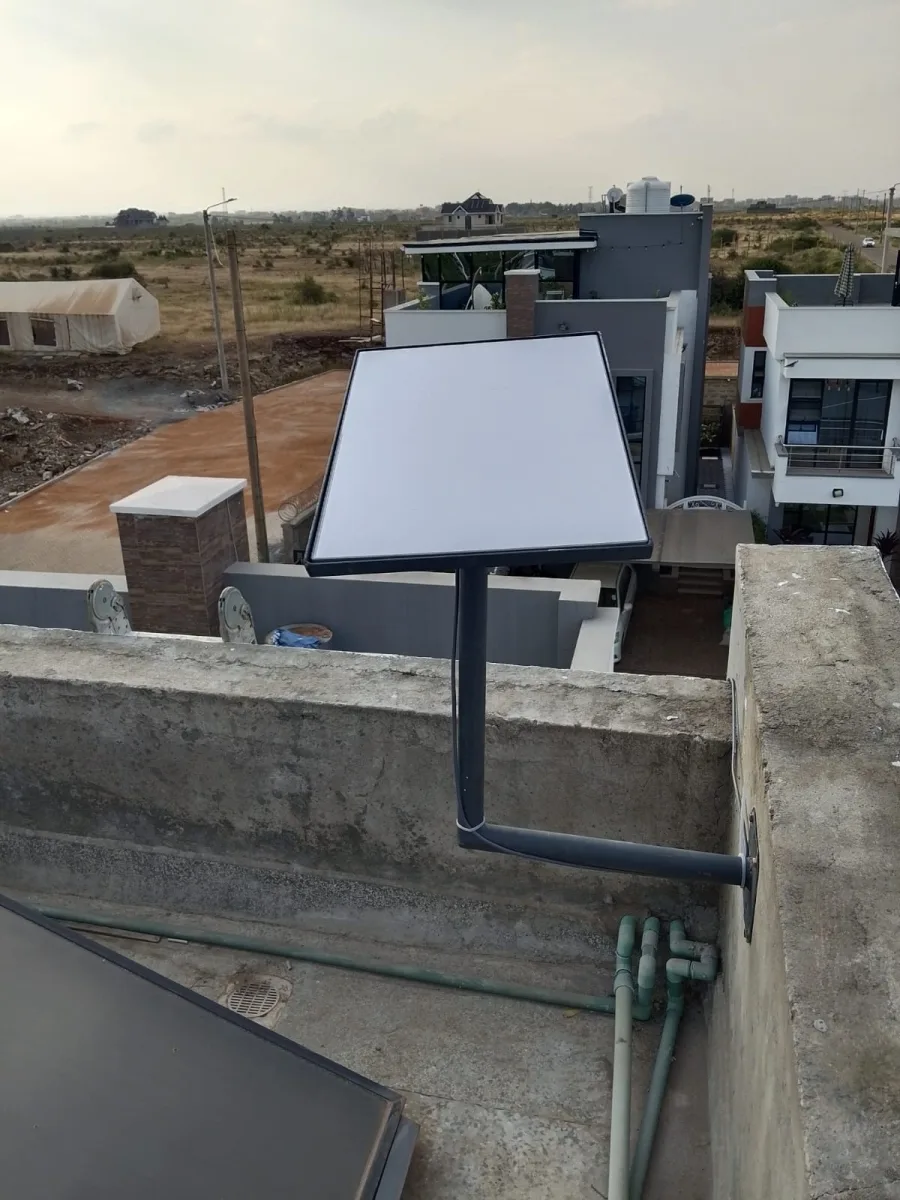
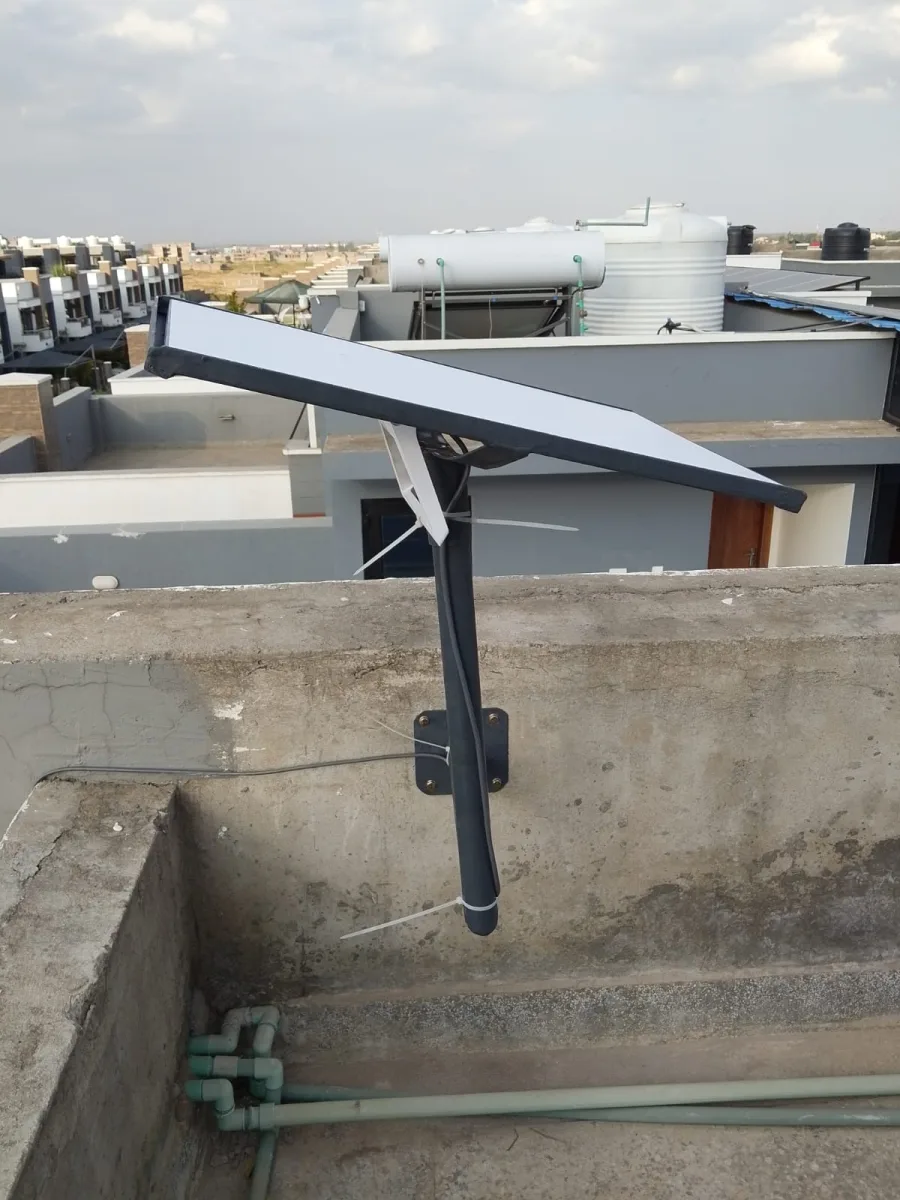
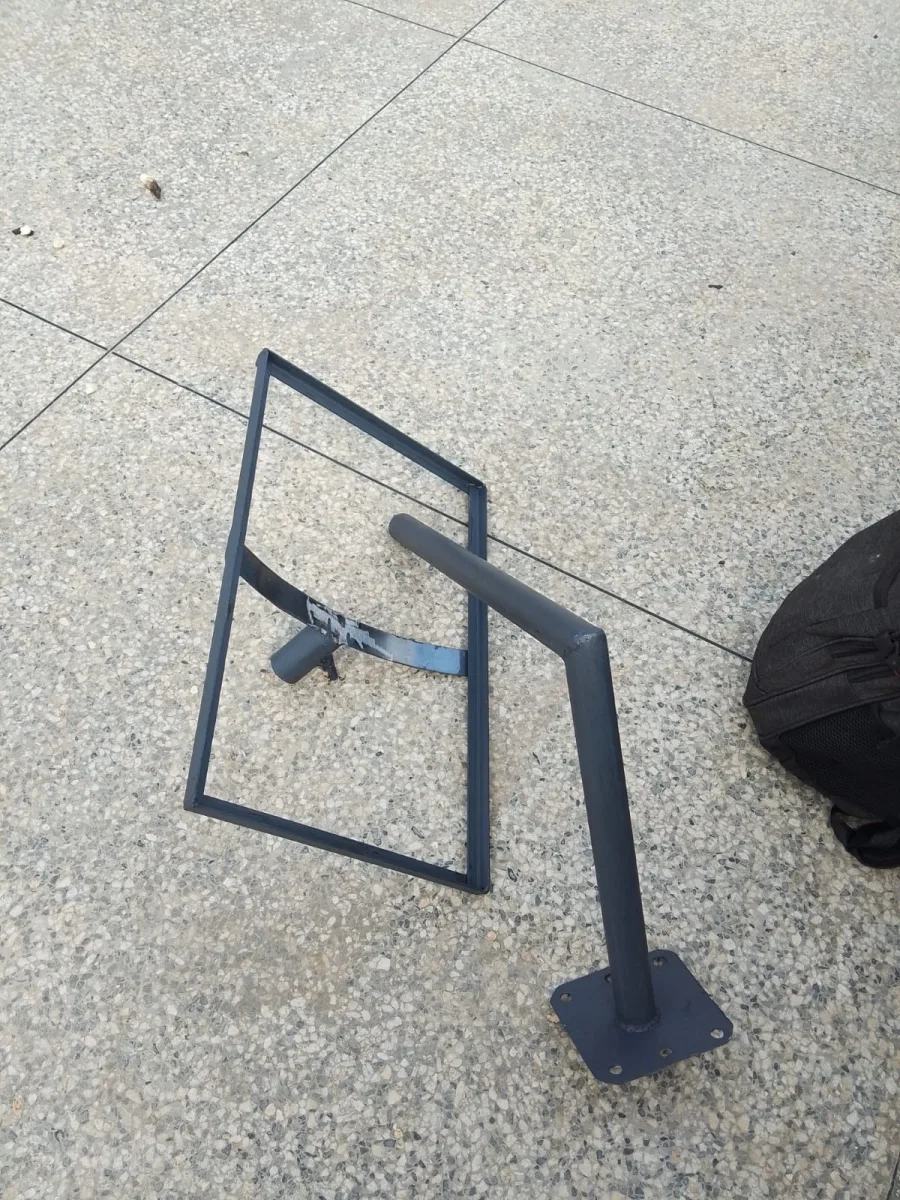
The proposed mount affects the materials and work involved. A provider should identify the intended arrangement and explain why it suits the equipment and property. Do not assume that the item supplied for an initial setup is automatically the final solution for every building. The exact hardware instructions and site assessment should guide the decision.
Ask whether the quote includes the mount, compatible accessories and the labour needed to install them. If the proposal is provisional, ask what still needs inspection. A photograph can help an initial discussion, but it should not be represented as a complete assessment of a structure or an instruction for the customer to perform roof work.
A higher or more complicated position can introduce additional access and installation requirements. The useful question is what problem the proposed position solves and what work it creates. Avoid choosing an arrangement solely because it appears cheaper in an online listing. A low-priced accessory is poor value if it cannot be used appropriately at the property.
3. Access to the work area
Access affects whether the planned work can be completed during the appointment. A roof, outside wall, locked service area or shared duct may need approval and coordination. Identify the person who can authorise access and ask the provider what arrangements are required. A tenant’s permission to use a room may not include control of the outside of the building.
Tell the installer about working-hour restrictions, escorts or other contractors who control relevant spaces. If access is unavailable on the day, the visit may not achieve its intended purpose. Ask in advance how a postponed or incomplete appointment is handled and whether another visit would be charged.
Customers should prepare by supplying information and arranging access, not by climbing, dismantling or improvising technical work. Safe photographs and a clear property contact are useful. A provider should assess the actual requirements rather than ask the customer to create a risky temporary setup to reduce the quote.
4. Cable routing and entry into the building
The route between equipment positions can change the scope significantly. Ask where the cable will run, where it enters the building and where the indoor equipment will sit. A short distance measured in a straight line does not necessarily describe the usable route. Permission, the building layout and the equipment’s instructions all matter.
Request a clear description of included finishing and protection. If an existing route is proposed, ask whether its suitability has been confirmed. If the route remains unknown, the quotation should identify that assumption and explain how a change will be priced. This is more useful than discovering an exclusion after work has begun.
Do not solve a routing question by buying an arbitrary extension or modifying equipment without appropriate guidance. The installer should follow the instructions for the exact model and propose a suitable arrangement. The customer’s role is to explain the required locations and approve the documented scope.
5. The rooms that need Wi-Fi
A working connection beside the main router does not prove that every room has usable connectivity. List the study, bedrooms used for work, meeting rooms, reception and other essential locations. Ask which are included in the proposed network and which would require additional equipment or work.
Indoor networking should be priced as an explicit requirement. Otherwise, one quotation may cover only the kit setup while another includes several access points and coverage checks. The difference in total can be entirely reasonable once the scope is understood. Comparing only the price can obscure that difference.
Ask how the indoor result will be tested. Use representative customer devices and the activities that motivated the purchase. If the essential workspace is a distant room, include it in the acceptance plan. The cost should be evaluated against a useful outcome at that location, not only a successful demonstration at the equipment position.
6. Separate buildings and larger properties
A main house and detached office are two locations even when they share a compound. A lodge reception and guest buildings present a similar distinction. Ask the provider to assess the connection between buildings and the coverage inside each. These are additional design questions, not automatic features of a single kit installation.
Prepare a rough property sketch showing the buildings and intended activities. The professional can then identify what needs inspection and propose an appropriate method. Avoid assuming that a product advertised as long-range or outdoor will suit the property without assessment of the actual arrangement.
If the complete project is not yet affordable or fully defined, request phases. A first phase can serve the essential office while later work addresses other buildings. Each phase should still have a clear scope and acceptance test. Phasing is useful when it reflects real priorities rather than leaving the customer uncertain about what was purchased.
7. Travel and site-visit arrangements
For work outside a provider’s immediate operating area, ask how travel is included. Give the actual destination, not only a familiar town name. A property beyond the town may require different planning. Accurate directions and a reliable on-site contact help the provider estimate the visit and avoid confusion.
Clarify whether the first visit is a survey or an installation. A survey may produce an assessment and a final proposal; an installation appointment assumes that enough has been agreed for the work to proceed. Ask whether the survey is charged separately and how that charge relates to any later installation.
Confirm what happens if materials, approvals or access are not ready. The quotation should explain the appointment assumptions and any return-visit arrangement. A county coverage page is an invitation to enquire, not proof that every site can be attended immediately at the same travel cost.
8. Power requirements and continuity
List the equipment that must operate and explain whether continuity during a power interruption is required. Ask a qualified professional to assess the actual electrical arrangement and load. Do not assume that an existing backup device can support additional equipment for a particular duration without checking.
Include indoor network components and any devices serving other buildings. Keeping only one part of the connection powered may not preserve the user-facing service. A continuity proposal should follow the whole equipment chain and identify which activities are intended to remain available.
Keep this work separate in the cost comparison if it is outside ordinary installation labour. Ask who provides and supports the relevant equipment. A clear boundary prevents an internet quotation from being mistaken for a complete electrical or power-backup project.
9. Existing networks and specialist applications
A business may already use printers, managed devices, hosted applications or other systems. Tell the installer about them before the network changes. Another supplier may be responsible for compatibility or configuration, so involve that supplier when defining the requirements and test.
Ask whether the quote covers only internet access or also changes to the existing local network. These are different responsibilities. A provider should not be expected to certify unrelated software or equipment simply because the new connection works. The scope should identify the systems actually included in testing.
If Starlink is an additional internet route, specify how switching should happen. Manual and automatic arrangements have different needs. Ask for the intended behaviour to be demonstrated, including any user action required by important applications. Two subscriptions alone do not establish a complete continuity solution.
10. Testing, documentation and handover
Completion should include more than equipment being present. Agree the rooms and activities to be tested, the person who will participate and the information to be handed over. A meaningful acceptance process gives the customer evidence that the quoted outcome has been addressed.
Ask for an equipment list, support contacts and notes on unresolved items or limitations. Keep these with the quotation and invoice. Store credentials separately. The documentation should help another authorised person understand the installation later without exposing broad administrative access.
Do not treat a single speed measurement as a permanent guarantee. Record the conditions and the activity tested. A provider can report what was observed, while future service performance depends on more than workmanship alone. The value of testing is clarity, not an unsupported promise that every result will remain identical.
11. Support after installation
Ask what aftercare actually includes. A remote conversation, an on-site return visit, replacement of supplied equipment and a new coverage requirement are different types of work. The provider should explain which are included and which may need a separate quotation.
Keep installation support separate from the satellite service account. Billing or account questions may need official service channels, while a mounting concern belongs with the responsible installer. Knowing the distinction helps the customer contact the right organisation rather than assuming one payment covers every future issue.
Ask how to report a problem effectively. Useful information includes the affected room, device, activity and recent changes. The provider should not need passwords or private business records in a general support message. Clear reporting can reduce unnecessary visits and help identify the appropriate next step.
12. Changes discovered during the job
A property assessment can reveal that an original assumption was wrong. An approved route may be unavailable, an accessory may be unsuitable or the customer may add another room. These changes should be explained and documented before additional work proceeds.
Use a short change record: the reason, proposed adjustment, effect on cost or completion and the person approving it. This is especially important when the owner is away and a representative provides access. The representative’s authority should be clear so that the provider is not relying on an uninformed approval.
Keep the final scope rather than only the first quotation. At handover, compare the completed work with the final agreement and list any deferred items. This makes later support or extension proposals more accurate because everyone can see what was actually included.
How to compare two quotations fairly
Send both providers the same property brief. Include kit status, the exact location, building type, rooms, access conditions and the intended tests. A provider receiving only a town name may make different assumptions from one receiving a detailed plan. Consistent information is the foundation of a fair comparison.
Create a simple comparison with one row for each requirement. Mark whether it is included, excluded or still provisional in each proposal. Ask for clarification where the description is vague. You do not need an elaborate scoring system; you need to see whether both providers are offering the work you actually require.
Pay particular attention to the exclusions and assumptions. One proposal may exclude travel, additional mounting materials or indoor coverage. Another may include those items but require the customer to arrange property approval. The lower total is not automatically poor value, but it must be understood in relation to the narrower scope.
Compare support responsibilities and evidence as well as materials. Relevant examples, a clear explanation of the design and a meaningful handover process can help assess suitability. Avoid choosing solely from an unsupported claim to be the best or a speed-test image without context.
Illustrative project A: a customer-owned kit at a home
Imagine a homeowner with a kit who needs it installed at a new property. The brief identifies the model, available components, proposed indoor room and the work area that must be tested. The installer assesses the mounting and route, then explains any additional accessories required.
The cost comparison should separate labour, materials and any indoor improvement. If one quote assumes the old mount can be reused and another includes a new one, ask why. The difference may reflect an unverified assumption rather than a difference in labour rates.
At completion, the homeowner checks the agreed rooms and receives the equipment and support records. This example does not imply a standard price or a completed customer project. It shows how a narrow installation-only enquiry can still contain decisions that affect the final scope.
Illustrative project B: an office needing a second connection
Imagine an office that already has internet but wants an additional route for essential work. The project is not just mounting another kit. The brief must explain how users will switch, which applications matter and who supports the existing network.
A quote for physical installation alone may be appropriate if another provider handles the network design. A broader quote may include that design and testing. Compare the responsibilities before comparing prices, and make sure no essential task falls between the two suppliers.
The acceptance test should involve the intended switching procedure and representative applications. Record any need to reconnect or take other user action. The customer is buying a defined arrangement, not an automatic guarantee that all business activity continues unchanged through every interruption.
Illustrative project C: a remote property with several buildings
Imagine a property in Laikipia or Western Kenya with an office, accommodation and a separate work building. The owner initially needs only the office connected. A phased quotation can define that first outcome, identify travel and access arrangements and record the other buildings for later assessment.
A second proposal that connects several buildings cannot be compared directly with the office-only price. The additional links, indoor devices, power requirements and tests need to be visible. The owner can then decide whether the broader scope is useful now or should be deferred.
For either approach, confirm who will receive the team and accept the work. If the owner is away, the representative needs the scope and authority to handle ordinary decisions. Accurate coordination is part of controlling cost because an unprepared visit may not achieve the intended result.
Common ways customers accidentally distort the comparison
One mistake is asking for the cheapest installation without explaining the required outcome. Providers may respond with different minimum scopes, leaving the customer comparing unlike offers. A better request names the rooms and activities and asks for an itemised proposal.
Another mistake is buying accessories before the design is assessed. The item may be incompatible, unnecessary or unsuitable for the intended route. Ask the provider to identify the required component and its role before purchasing it separately.
A third mistake is adding requirements during installation without discussing the effect on scope. An extra building or a new business function can be a legitimate need, but it should be recorded as a change. Clear communication avoids treating a newly requested service as something the original price obviously included.
A fourth mistake is ignoring ongoing responsibilities. The equipment, installation, subscription and support may involve different parties. Record who handles each so that a later account question does not become a dispute about workmanship, or an indoor coverage extension is confused with a service fault.
A practical quotation request you can adapt
Write: “The property is in this county and locality. It is used as a home, office or other stated purpose. We own this kit, or need supply included. The rooms and buildings requiring connectivity are these. The essential activities are these. Access is approved by this role. Please identify the assessment, equipment, mounting, cable work, indoor network, travel, testing and support included in your proposal.”
Then add any uncertainty honestly. You may not know the best outdoor position or whether existing accessories can be reused. Ask the provider to assess those points instead of guessing. A clear unknown is easier to resolve than an incorrect assumption treated as a confirmed fact.
Keep sensitive details out of the initial message. Send exact access information only through the appropriate private channel and retain control of account credentials. The provider needs enough information to scope the work, not your password or unrelated personal records.
Questions to answer before approving the purchase
Can you identify the equipment being supplied? Do you know which rooms are included? Is the mounting and cable work explained? Are travel and survey arrangements clear? Do you know which assumptions could change the quote? If any answer is unclear, ask for clarification before treating the proposal as final.
Also confirm who can approve changes and who will participate in handover. If the person paying is away, give the representative the agreed scope. Ask for unresolved items to be recorded rather than hidden behind a general completion statement.
Finally, distinguish a current quotation from a general article. Costs, equipment availability and service terms can change. This guide explains how to evaluate a proposal; the supplier’s current written scope for your property establishes the actual offer you are considering.
Request a written SpaceKits installation quotation
For Nairobi, Kiambu, Machakos, Laikipia, Kakamega, Bungoma, Busia or Vihiga, send the location, property type, kit status and required rooms. Ask SpaceKits to confirm the assessment process, scope and appointment availability. Do not assume that every property within a county has the same access, travel or networking requirement.
Request a written installation quote or call +254 725 345 345. For help comparing providers, read the guide to choosing Starlink installers in Kenya. Consult official Starlink support for current account and equipment guidance.
SpaceKits is an independent equipment supplier and installation provider, not an official Starlink or SpaceX representative. Confirm the proposed work, supplied items and support responsibilities for your individual job. A well-defined quotation gives you a stronger basis for deciding than a universal price detached from the property it is meant to serve.
A worked comparison without invented market prices
Consider two hypothetical quotations for the same home. Proposal A includes mounting the customer’s kit and connecting it in the main living room. Proposal B includes that work plus an assessed connection to a detached study. The second total is higher, but the difference cannot be judged as an installation premium until the scopes are aligned. If the study is essential, ask Proposal A’s provider to price the same requirement.
Now imagine that Proposal A includes travel while Proposal B lists it separately. Add the relevant confirmed charge before comparing the totals. Do the same for materials that are definitely required. Do not add speculative items simply to make one quote appear worse; ask the provider whether the item is needed and obtain a clear answer.
Next, compare provisional items. One provider may have inspected the route while the other has not. A fixed figure and a preliminary estimate carry different uncertainty. Record that distinction. The useful question is what information will turn the estimate into a final proposal, not whether every provider can produce an identical number before seeing the property.
Finally, compare completion and support. If one proposal includes room testing and a documented handover while another does not describe either, request clarification. The comparison should end with equivalent outcomes and understood responsibilities. Only then does the price difference become meaningful for the customer’s decision.
Budgeting for a phased installation
Phasing is helpful when the customer knows the essential first outcome but has not settled the whole-property requirement. Write a first-phase budget for the required room or building. Then list later locations without treating them as already included. Ask which decisions should be made now to avoid unnecessary rework and which can wait until the later assessment.
Do not assume that every item bought for the first phase will suit a future expansion. The provider should explain any reasonable reuse expectation and its conditions. A later project may involve different routes, devices or management requirements. The budget should preserve flexibility instead of relying on an unsupported guarantee about unassessed work.
Keep labour and materials visible for each phase. This helps the customer understand why a return visit has its own cost even when some equipment is already present. It also prevents double counting when comparing a complete project proposal with several staged quotations.
Accept each phase against its own written outcome. The first stage can be complete while later buildings remain deliberately outside scope. Record that boundary in the handover notes so that another household member, manager or supplier does not mistake planned work for an unresolved fault.
Questions about invoices and records
Ask the supplier to identify the goods and services on the purchase documents clearly. A description such as installation package may be insufficient if it does not connect to an itemised scope. Keep the scope and invoice together so that you can identify what was supplied, what was customer-owned and which work was completed.
For an organisation, follow its normal purchasing and record-keeping requirements. The person approving the purchase should be able to trace the final amount to the agreed work and any authorised changes. This guide does not replace accounting or legal advice; it encourages a clear operational record of the transaction.
Do not include passwords or sensitive recovery information in an invoice attachment intended for ordinary financial processing. The finance team may need proof of purchase without needing network administration access. Separate those records according to their purpose.
If a later support request concerns a supplied item, the equipment list and purchase record can help identify responsibility. If it concerns added coverage, the original scope shows what was included. Good documents therefore have practical value after the purchase, not only during the initial comparison.
Keep the final comparison with your purchase records
Once you choose a proposal, retain the comparison and the reasons for your decision. It provides context if another household member or colleague later asks why an item was included or deferred. Record the date of the quote and its stated conditions rather than treating an old amount as a permanent price list. When requesting further work, explain the new requirement and ask for an updated scope. This keeps the next decision grounded in the current property and avoids confusing a past quotation with a new offer.
Need Starlink Installation or Network Optimization?
We help homes, offices, apartments, and businesses with Starlink installation, WiFi coverage improvement, and professional setup in Kenya.
Request Installation Chat on WhatsApp