
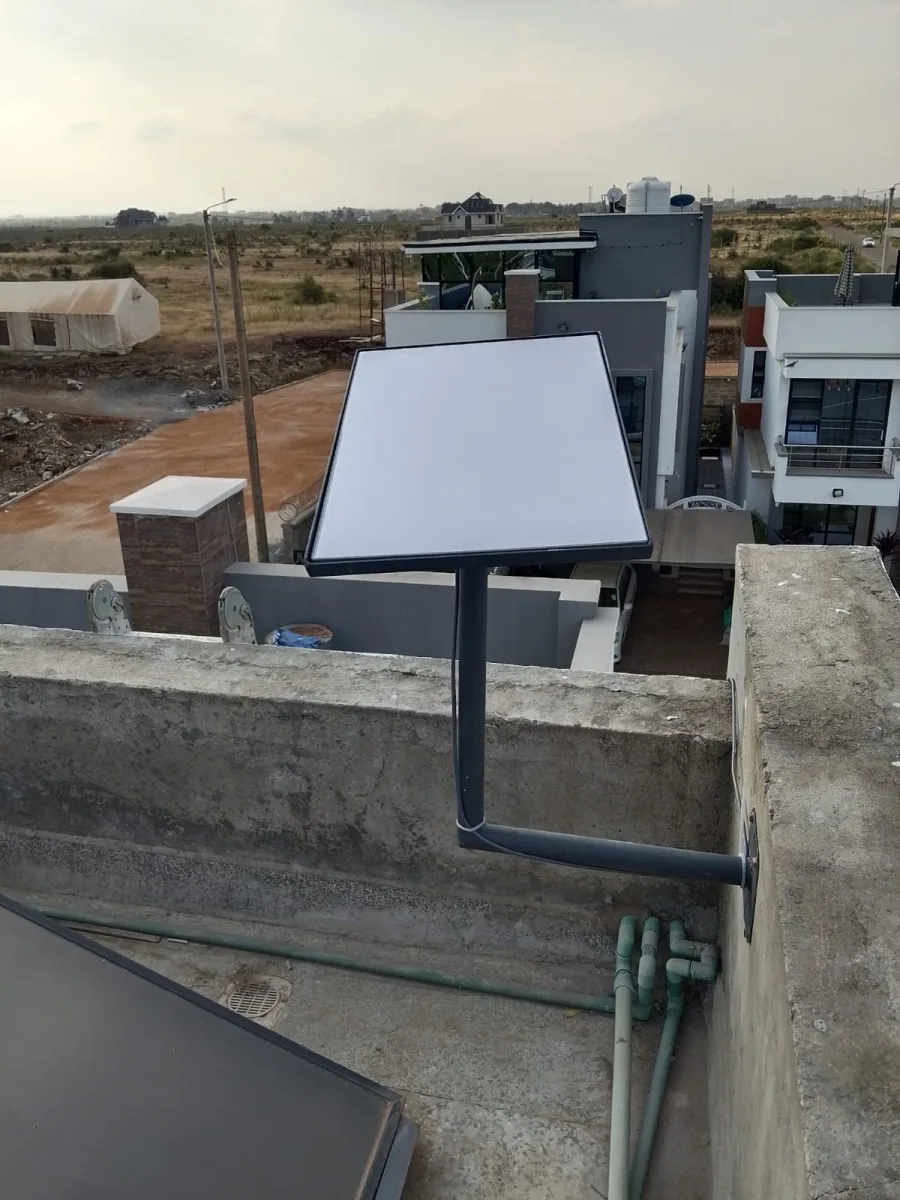
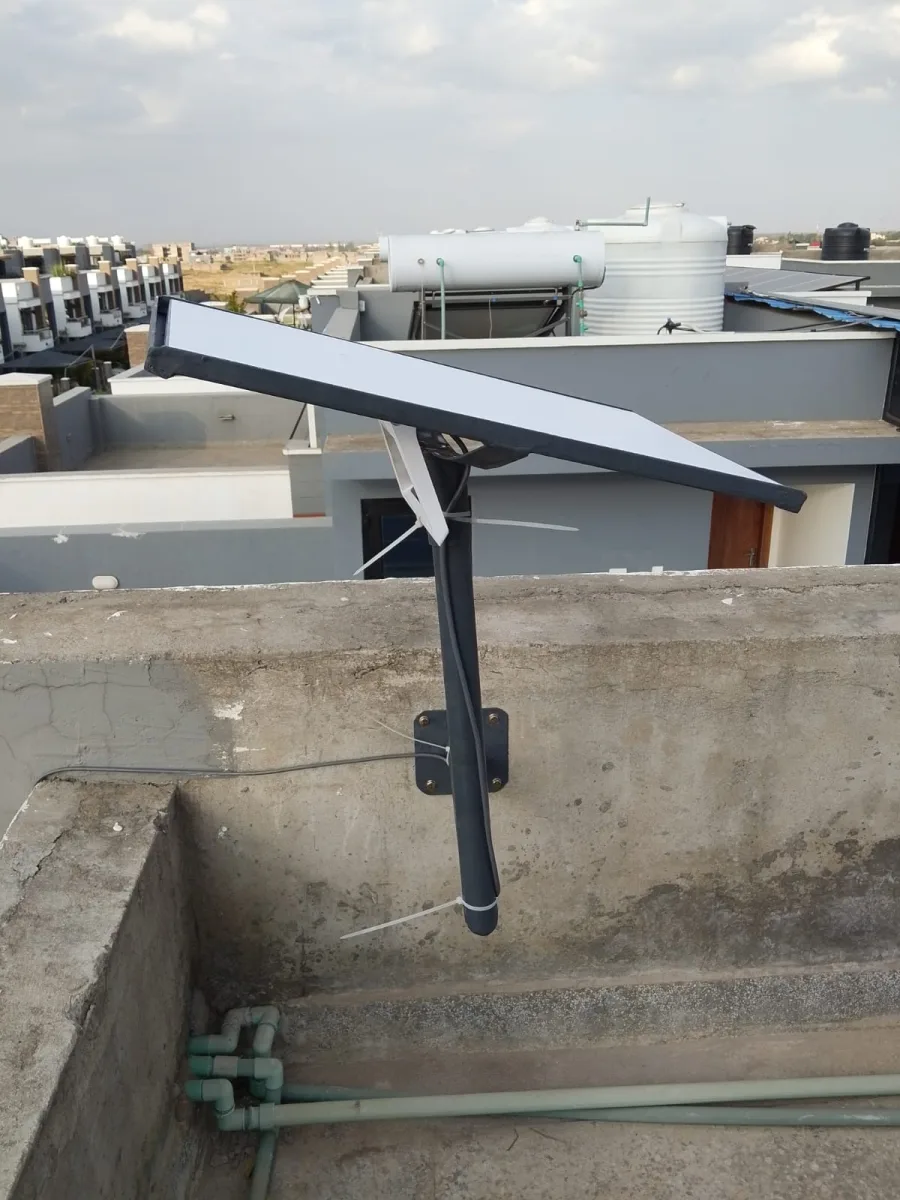
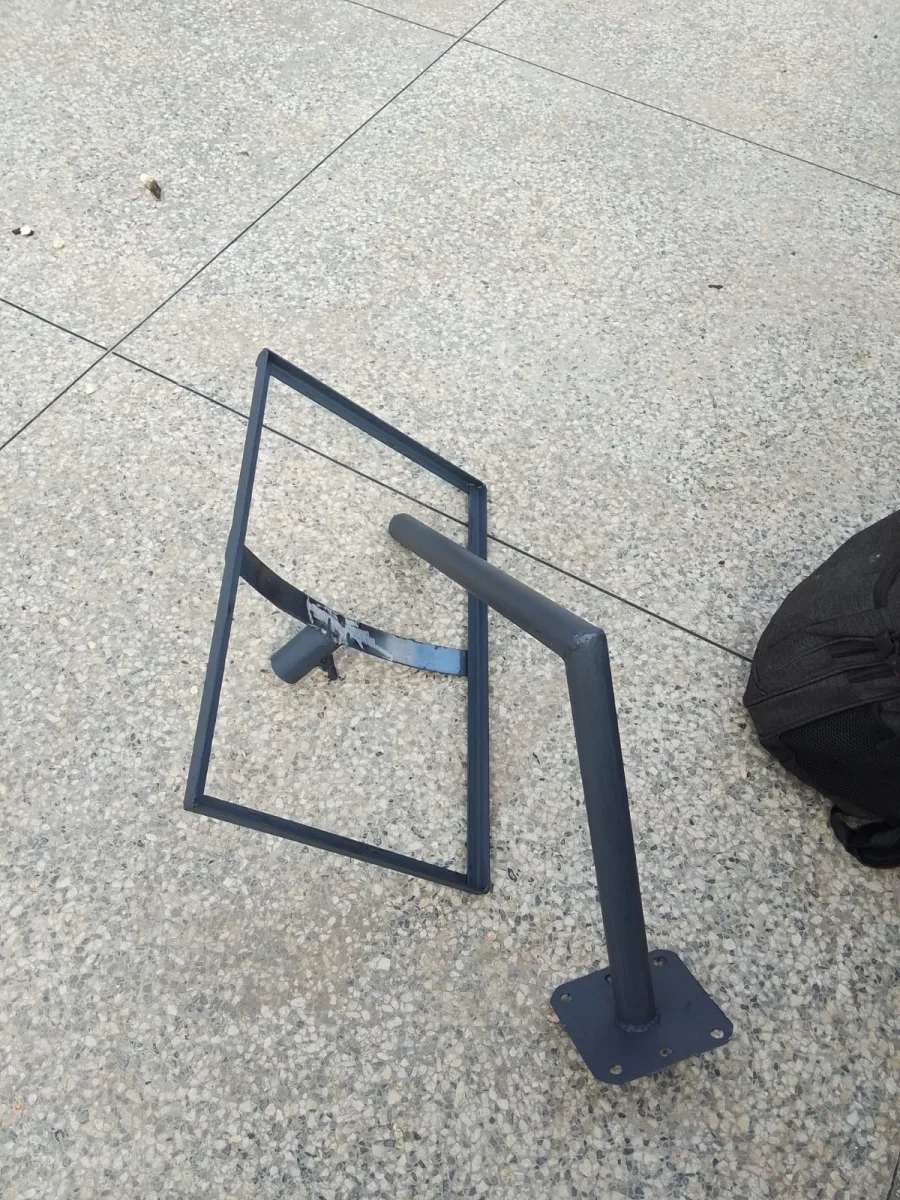
Need Starlink Installation or Network Optimization?
We help homes, offices, apartments, and businesses with Starlink installation, WiFi coverage improvement, and professional setup in Kenya.
Request Installation Chat on WhatsApp
Starlink Latency: What to Expect, Why It Matters, and How to Improve It
Starlink has transformed internet access for rural and underserved areas by delivering high-speed satellite broadband through SpaceX’s growing constellation of low Earth orbit (LEO) satellites. While many users praise Starlink’s download speeds, one of the most frequently asked questions is:
Talk to Spacekits
Need Starlink help for your home or business?
Talk to Spacekits before you buy or book installation. We help with kit supply, mounting, activation, router placement, WiFi coverage, and written quotes.
How good is Starlink latency?
Latency plays a major role in online gaming, video calls, remote work, and real-time applications. In this guide, we’ll explain what Starlink latency is, how it compares to other internet options, what affects it, and how you can improve your connection.
What Is Starlink Latency?
Latency refers to the time it takes for data to travel from your device to a server and back again. It is usually measured in milliseconds (ms).
In simple terms:
Low latency = faster response time
High latency = noticeable delay
Latency is often called ping, especially in gaming.
Why Starlink Latency Matters
Starlink latency affects activities that require real-time communication, including:
✅ Online Gaming
Fast-paced multiplayer games need low ping for smooth gameplay.
✅ Video Conferencing
Zoom, Google Meet, and Teams calls depend on low latency for clear audio and minimal lag.
✅ Remote Work & Cloud Apps
Latency impacts responsiveness when using cloud-based tools like Google Workspace or Microsoft 365.
✅ Streaming & Browsing
While speed matters more here, latency still affects how quickly websites load.
Average Starlink Latency in 2026
Starlink latency is significantly better than traditional satellite internet providers.
Typical Starlink Latency Range:
20 ms to 50 ms in most locations
Occasionally 50 ms to 100 ms during congestion or poor weather
This makes Starlink suitable for most modern internet applications.
Starlink Latency vs Other Internet Types
Here’s how Starlink compares:
| Internet Type | Typical Latency |
|---|---|
| Fiber Broadband | 5–15 ms |
| Cable Internet | 15–30 ms |
| 4G LTE Mobile | 30–70 ms |
| Starlink (LEO Satellite) | 20–50 ms |
| Traditional Satellite Internet (GEO) | 500–700 ms |
Starlink’s low Earth orbit system gives it a huge advantage over older satellite services.
What Causes Starlink Latency?
Starlink latency can fluctuate depending on several factors:
1. Satellite Distance and Movement
Starlink satellites orbit much closer to Earth than traditional satellites, reducing delay. However, satellites are constantly moving, which can cause slight variations.
2. Network Congestion
During peak hours, latency may increase due to higher user demand.
3. Weather Conditions
Heavy rain, storms, or thick cloud cover can impact signal quality and increase latency.
4. Obstructions
Trees, buildings, or other obstacles blocking the dish’s view of the sky can cause packet loss and higher ping.
5. Router and Wi-Fi Issues
Poor home networking setups can add unnecessary latency.
Is Starlink Latency Good for Gaming?
Yes — Starlink is generally good for gaming, especially compared to older satellite providers.
Best Gaming Experience With Starlink:
Ping: 30–60 ms
Suitable for: Fortnite, Call of Duty, FIFA, PUBG, etc.
Not ideal for: Professional esports where ultra-low latency is required
Some users may experience occasional lag spikes, but overall performance is strong for most gamers.
Is Starlink Latency Good for Video Calls?
Absolutely.
Starlink supports:
Zoom meetings
WhatsApp video calls
Google Meet
VoIP calls
With latency often under 50 ms, Starlink provides smooth real-time communication.
How to Reduce Starlink Latency
If you’re experiencing high ping or lag, try these tips:
✅ Ensure Clear Dish Placement
Use the Starlink app’s obstruction checker and install the dish where it has a wide open sky view.
✅ Use Ethernet Instead of Wi-Fi
A wired connection reduces interference and improves latency consistency.
✅ Upgrade Your Router
Consider a mesh Wi-Fi system for large homes.
✅ Avoid Peak Usage Hours
Latency may increase during evenings when many users are online.
✅ Keep Firmware Updated
Starlink automatically updates software, but ensure your system is running the latest version.
✅ Monitor Performance in the App
The Starlink app provides real-time latency and obstruction reports.
Starlink Latency in Kenya and Africa
In countries like Kenya, Starlink has become a game changer for fast internet access outside major cities.
Users typically report:
Latency: 30–70 ms
Better than most rural 4G networks
Much better than traditional satellite internet
As Starlink expands ground stations and satellite coverage across Africa, latency will continue improving.
Does Starlink Latency Improve Over Time?
Yes. Starlink is actively upgrading its network through:
More satellites in orbit
Better routing systems
Expanded ground infrastructure
Improved dish hardware
Over time, Starlink latency is expected to become even more competitive with fiber and 5G.
Frequently Asked Questions Aboutcy
Starlink Laten
What is a good Starlink ping?
A ping between 20 ms and 50 ms is considered excellent.
Why does Starlink latency spike sometimes?
Latency spikes may occur due to satellite switching, congestion, or obstructions.
Can Starlink replace fiber internet?
For rural users, yes. For urban areas with fiber, fiber remains superior in latency.
Is Starlink better than 4G for latency?
In many rural regions, Starlink offers more stable latency than mobile networks.
Final Thoughts: Is Starlink Latency Worth It?
Starlink latency is one of the biggest improvements in satellite internet history. With average ping times as low as 20–50 ms, Starlink supports:
Gaming
Video calls
Remote work
Streaming
Real-time applications
For users in rural areas or countries with limited broadband infrastructure, Starlink offers an outstanding balance of speed and low latency.
⭐ Starlink Latency: Complete Guide to Ping, Speed, Gaming, and Performance (2026)
Starlink has rapidly become one of the most exciting internet innovations of the decade. Built by SpaceX, Starlink provides satellite-based broadband internet using a constellation of thousands of low Earth orbit (LEO) satellites. Unlike traditional satellite internet services that suffer from slow response times, Starlink promises something revolutionary:
High-speed internet with low latency.
But one of the most common questions potential customers ask is:
What is Starlink latency, and is it good enough for gaming, Zoom calls, and real-time applications?
In this in-depth guide, we’ll break down everything you need to know about Starlink latency, including average ping speeds, what causes lag, how Starlink compares to fiber and 4G, and how to improve performance for the best experience.
What Is Starlink Latency?
Latency refers to the time it takes for data to travel from your device to a server and back again. It is usually measured in milliseconds (ms).
Think of latency as the “reaction speed” of your internet connection.
Example:
You click a website link
Your request travels to a server
The server responds
The website loads
The time it takes for that full round trip is latency.
Why Latency Matters More Than Speed
Many people focus on download speeds like 100 Mbps or 200 Mbps. While speed is important, latency is equally critical for real-time online activities.
Low latency is essential for:
✅ Online multiplayer gaming
✅ Zoom and video conferencing
✅ Voice calls (VoIP)
✅ Remote work applications
✅ Live streaming interactions
✅ Cloud computing and trading platforms
Even with fast speeds, high latency can make your internet feel slow.
Average Starlink Latency in 2026
Starlink latency has improved significantly since its beta launch.
Typical Starlink Latency Range:
20 ms to 50 ms in ideal conditions
50 ms to 100 ms during congestion or weather issues
Occasional spikes above 100 ms (rare but possible)
This makes Starlink far superior to older satellite providers.
Starlink Latency vs Traditional Satellite Internet
Traditional satellite internet providers use geostationary satellites located about 35,000 km above Earth. This distance creates huge delays.
Traditional Satellite Latency:
500 ms to 700 ms ping
Poor for gaming and video calls
Noticeable lag in browsing
Starlink Latency Advantage:
Starlink satellites orbit only about 550 km above Earth, drastically reducing signal travel time.
That’s why Starlink latency is closer to fiber or 4G than old satellite systems.
Starlink Latency Comparison Table
| Connection Type | Typical Latency |
|---|---|
| Fiber Internet | 5–15 ms |
| Cable Broadband | 15–30 ms |
| 5G Mobile | 10–25 ms |
| 4G LTE | 30–70 ms |
| Starlink | 20–50 ms |
| Traditional Satellite | 500–700 ms |
Starlink is currently the best satellite internet option available for low ping.
Is Starlink Latency Good for Gaming?
Yes — Starlink is generally good for gaming, especially compared to DSL or satellite alternatives in rural areas.
Starlink Gaming Ping:
Average: 30–60 ms
Playable for most online games
Occasional lag spikes possible
Games That Work Well on Starlink:
Fortnite
Call of Duty
FIFA / EA Sports FC
PUBG
Valorant
Minecraft
Games That Require Ultra-Low Ping:
Professional esports or competitive shooters may still benefit more from fiber connections.
However, for casual and regular gamers, Starlink is more than sufficient.
Starlink Latency for Video Calls and Remote Work
Starlink latency is excellent for video conferencing.
Most video call apps require:
Under 150 ms for smooth calls
Under 70 ms for excellent performance
Starlink typically delivers ping below 50 ms, meaning:
✅ Clear audio
✅ Minimal delay
✅ Smooth video meetings
Perfect for:
Zoom
Google Meet
Microsoft Teams
WhatsApp Video
VoIP calling
What Causes Starlink Latency Changes?
Starlink latency is not always constant. It can fluctuate depending on several factors.
1. Satellite Switching
Starlink satellites move quickly across the sky. Your dish constantly connects to new satellites as they pass overhead.
This “handoff” can occasionally cause tiny latency spikes.
2. Network Congestion
During peak usage hours (evenings), more users are online.
This can increase:
Ping
Packet loss
Network delays
Starlink continues expanding capacity to solve this.
3. Weather Conditions
Heavy rain, storms, or thick cloud cover can affect signal transmission.
Known as “rain fade,” this may result in:
Increased latency
Temporary interruptions
Slower speeds
4. Obstructions Around the Dish
Starlink requires a clear view of the sky.
Obstructions such as:
Trees
Buildings
⛰️ Hills
Poles
Can cause packet loss and unstable latency.
Even small obstructions can lead to lag spikes.
5. Wi-Fi Interference
Sometimes latency problems come from inside your home, not Starlink itself.
Common causes include:
Weak router signal
Too many devices connected
Thick walls blocking Wi-Fi
Interference from neighboring networks
Using Ethernet can help significantly.
How to Improve Starlink Latency (Best Tips)
If you want the best ping performance, follow these proven strategies.
✅ Install the Dish in an Open Area
Use the Starlink app obstruction tool.
Best locations:
Rooftop
Pole mount in an open yard
High elevation with clear sky view
Avoid trees and nearby structures.
✅ Use Ethernet for Gaming or Work
Wi-Fi adds extra latency.
For best performance:
Connect consoles and PCs via Ethernet
Use Starlink’s Ethernet adapter if needed
This reduces ping spikes.
✅ Upgrade Your Router or Mesh Network
Starlink’s router is good, but larger homes may need better coverage.
Consider:
Mesh Wi-Fi systems
High-performance gaming routers
Better coverage = lower latency indoors.
✅ Reduce Network Load at Peak Times
If multiple devices are streaming or downloading, latency can rise.
Try:
Scheduling downloads at night
Limiting heavy usage during gaming or meetings
✅ Keep Starlink Firmware Updated
Starlink updates automatically, but improvements are frequent.
Updates often include:
Better satellite routing
Reduced latency
Improved stability
✅ Monitor Ping in the Starlink App
The Starlink app provides:
Real-time latency stats
Obstruction tracking
Connection uptime
Outage reports
Use it to identify problems quickly.
Starlink Latency in Kenya and Africa
Starlink is rapidly growing across Africa, including Kenya.
For many rural users, Starlink offers better performance than mobile broadband.
Typical Starlink Latency in Kenya:
30 ms to 70 ms average
Much better than traditional satellite
More stable than rural 4G networks
Starlink is especially valuable for:
Remote schools
Businesses outside cities
Farms and lodges
Digital nomads
Online learning and freelancing
As Starlink expands ground stations across Africa, latency will continue improving.
Does Starlink Latency Improve Over Time?
Yes — Starlink latency is expected to get better as the network evolves.
Starlink is improving through:
Launching more satellites
Adding laser inter-satellite links
Expanding ground infrastructure
Introducing new dish technology
Increasing bandwidth capacity
Future latency could drop closer to fiber-level performance.
Starlink Latency for Streaming and Browsing
Streaming services don’t require extremely low latency, but Starlink still performs well.
Great for:
Netflix
YouTube
Disney+
Showmax
TikTok Live
Web browsing also feels fast because Starlink’s low latency improves page load responsiveness.
Frequently Asked Questions About Starlink Latency
What is a good Starlink ping?
A ping between 20 ms and 50 ms is excellent.
Why does Starlink latency spike sometimes?
Spikes may occur due to:
Satellite switching
Obstructions
Weather
Network congestion
Is Starlink better than 4G for latency?
In many rural areas, yes. Starlink can be more stable than congested 4G networks.
Can Starlink replace fiber internet?
For rural areas, absolutely. For cities with fiber, fiber still offers the lowest latency.
Is Starlink good for competitive gaming?
It’s good for most gaming, but fiber remains best for professional esports.
Final Thoughts: Is Starlink Latency Good Enough?
Starlink has changed satellite internet forever.
With typical latency of 20–50 ms, Starlink is now suitable for:
✅ Online gaming
✅ Video conferencing
✅ Remote work
✅ Streaming
✅ Everyday browsing
For rural homes, businesses, and regions without fiber, Starlink offers one of the best low-latency internet solutions available today.
As the network grows, Starlink latency will only get better.
Need Starlink Installation or Network Optimization?
We help homes, offices, apartments, and businesses with Starlink installation, WiFi coverage improvement, and professional setup in Kenya.
Request Installation Chat on WhatsApp