
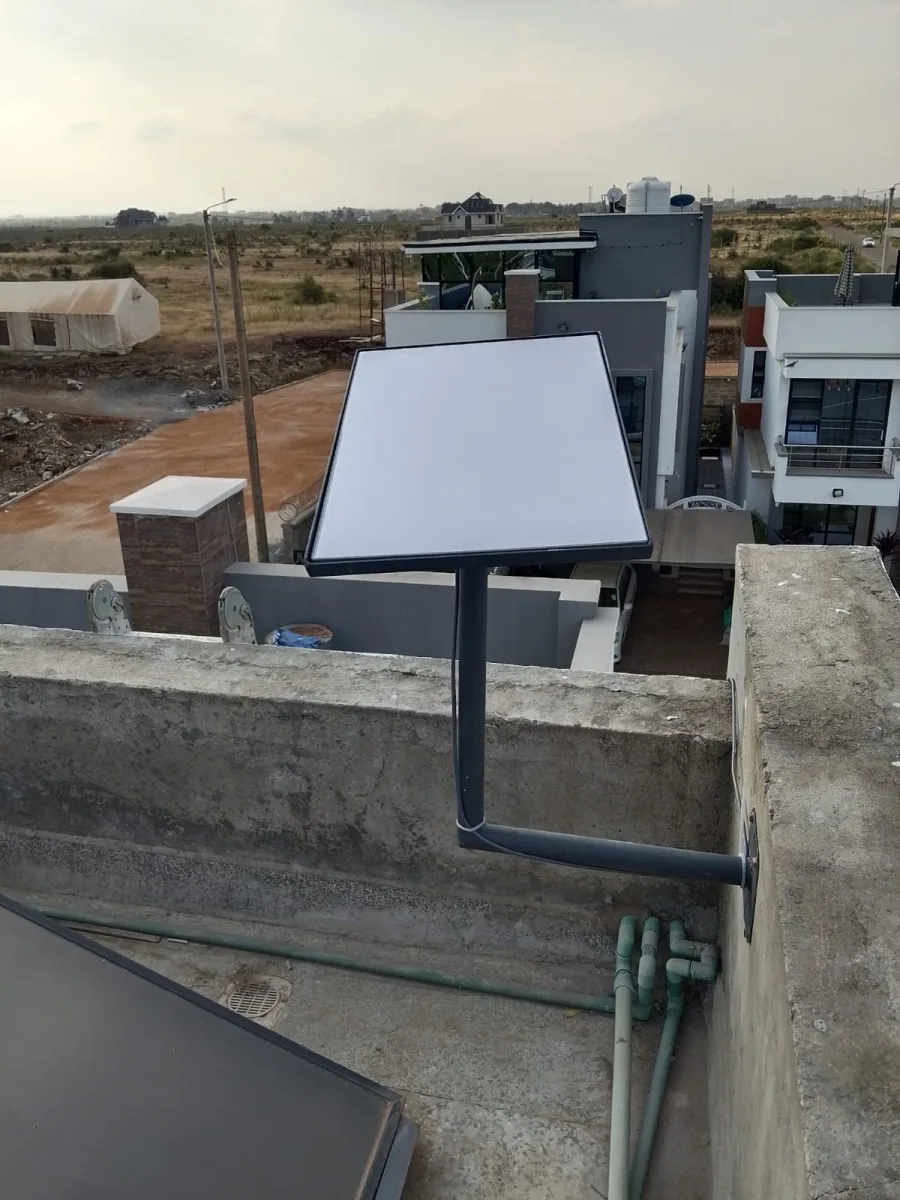
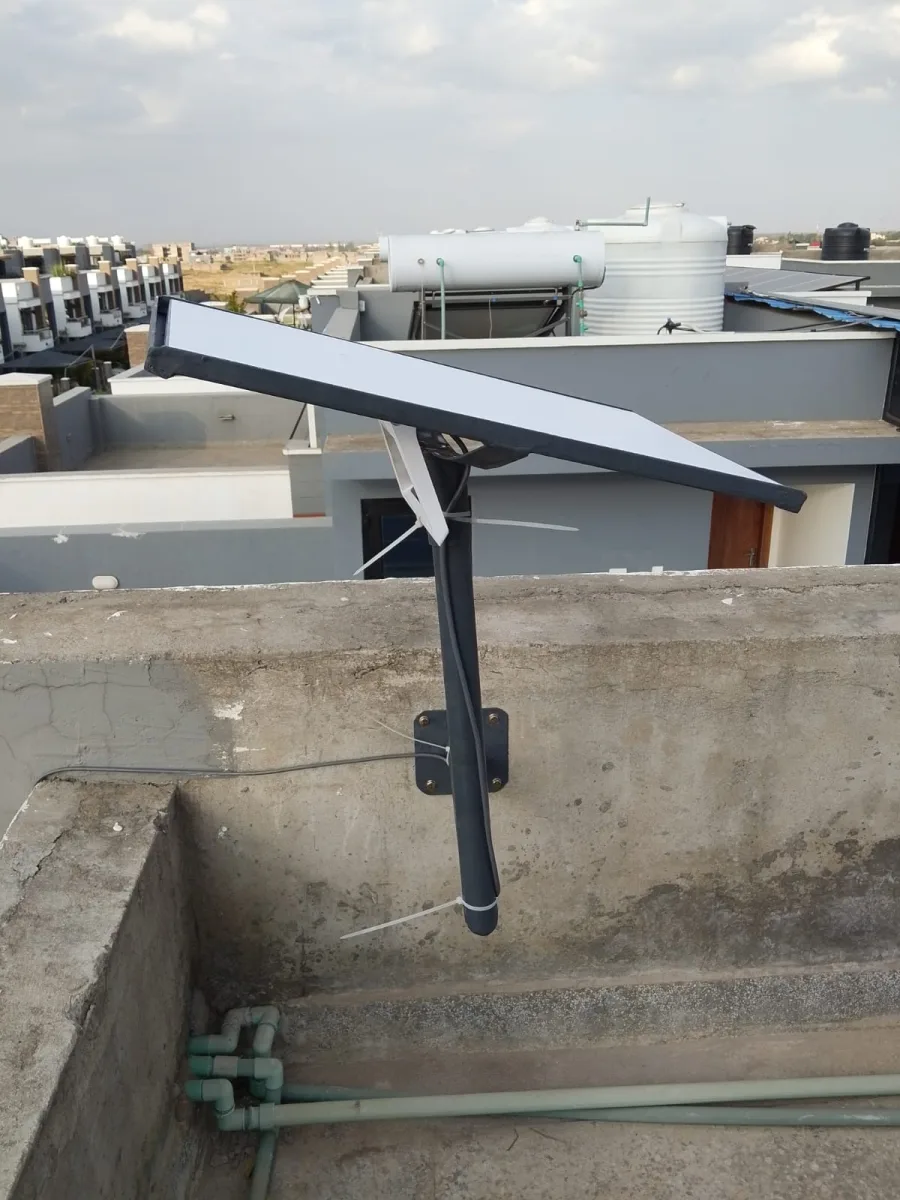

Need Starlink Installation or Network Optimization?
We help homes, offices, apartments, and businesses with Starlink installation, WiFi coverage improvement, and professional setup in Kenya.
Request Installation Chat on WhatsApp
Starlink Pros and Cons: Is It the Right Internet Solution for You?
Starlink has quickly become one of the most talked-about internet services in the world. With its promise of high-speed satellite internet in remote and underserved areas, it has captured the attention of homeowners, businesses, and travelers alike. However, like any technology, Starlink has both advantages and disadvantages. In this article, we’ll explore the Starlink pros and cons, helping you make an informed decision.
Talk to Spacekits
Need Starlink help for your home or business?
Talk to Spacekits before you buy or book installation. We help with kit supply, mounting, activation, router placement, WiFi coverage, and written quotes.
What Is Starlink?
Starlink is a satellite internet service developed by SpaceX. Unlike traditional internet providers that rely on fiber or cable, Starlink uses a constellation of low-Earth orbit (LEO) satellites to deliver internet directly to users on the ground. This makes it ideal for locations where fiber or cable infrastructure is limited or non-existent.
Why Starlink Is Popular
Starlink has become popular for several reasons:
High-speed internet in remote areas
Easy setup
Improving coverage worldwide
Fast download speeds compared to traditional satellite internet
However, there are also downsides to consider. Let’s dive into the Starlink pros and cons.
⭐ Starlink Pros (Advantages)
1. Wide Coverage, Even in Remote Areas
One of the biggest advantages of Starlink is its ability to deliver internet in rural and remote regions. Traditional internet providers often skip these areas due to high infrastructure costs. Starlink bypasses this limitation by using satellites, meaning you can get internet almost anywhere.
Ideal for:
Rural homes
Farms
Remote businesses
Campsites and RVs
2. Fast Speeds Compared to Traditional Satellite Internet
Traditional satellite internet has been known for slow speeds and high latency. Starlink offers a significant improvement, with users often experiencing download speeds between 50 Mbps and 200 Mbps, depending on location and network congestion.
3. Simple and Fast Setup
Starlink setup is straightforward. Most users can set up the system in under 30 minutes:
Mount the Starlink dish
Plug it into the router
Connect via the Starlink app
No professional installation is required, which makes it convenient for homeowners and travelers.
4. Reliable Internet for Remote Work and Online Learning
With more people working remotely and studying online, reliable internet is essential. Starlink can support video calls, online classes, and remote work in areas where traditional internet options are limited.
5. Continuous Improvements and Expansion
Starlink is constantly upgrading its satellite network and improving performance. New satellites and improved technology mean better speeds, coverage, and reliability over time.
⚠️ Starlink Cons (Disadvantages)
1. Higher Cost Than Traditional Internet
Starlink is often more expensive than fiber or cable internet. The initial cost includes the equipment (dish and router), and the monthly subscription can be higher than average internet plans.
Typical costs include:
Starlink equipment: $499 (one-time)
Monthly subscription: $99 or more
Additional accessories (mounts, cables, etc.)
For some users, this cost may be worth it. For others, it may be too expensive compared to local options.
2. Weather Sensitivity
Because Starlink relies on satellite signals, weather can impact performance. Heavy rain, snow, or storms can cause temporary slowdowns or interruptions. In areas with frequent harsh weather, this may be a significant drawback.
3. Latency and Gaming Performance
Although Starlink has lower latency than traditional satellite internet, it still has higher latency than fiber or cable. This can affect real-time online gaming or high-frequency trading.
Typical latency ranges:
Starlink: 20–50 ms
Fiber: 5–15 ms
If you’re a serious gamer, Starlink may not be the best option.
4. Network Congestion in High-Demand Areas
In some locations, especially where many users share the same satellites, performance may drop during peak hours. Starlink continues to improve capacity, but congestion can still be a concern.
5. Equipment Size and Installation Requirements
The Starlink dish is larger than typical home satellite dishes. It needs a clear view of the sky, free from obstructions like trees and tall buildings. This may not be feasible for everyone.
Starlink Pros and Cons Summary
| Pros | Cons |
|---|---|
| Wide coverage in remote areas | Higher cost than traditional internet |
| Fast speeds compared to traditional satellite | Weather-sensitive performance |
| Easy setup | Higher latency than fiber/cable |
| Supports remote work & learning | Network congestion in busy areas |
| Constant network improvements | Requires clear sky view |
Who Should Choose Starlink?
Starlink is best for:
✅ Rural homeowners without access to fiber or cable
✅ Remote businesses needing reliable internet
✅ Travelers in RVs or boats
✅ Emergency response teams needing quick internet deployment
✅ Areas with poor or unreliable local ISPs
Who Should Avoid Starlink?
Starlink may not be ideal for:
❌ Users with affordable fiber or cable internet available
❌ Gamers needing ultra-low latency
❌ Areas with heavy weather disruptions
❌ People on a tight budget
Starlink vs Traditional Internet: A Quick Comparison
Fiber/Cable Internet
Pros: Lower latency, stable speeds, usually cheaper
Cons: Limited availability in rural areas
Starlink
Pros: Available almost anywhere, fast speeds in remote locations
Cons: Higher cost, weather-dependent, higher latency
Frequently Asked Questions (FAQs)
1. Is Starlink worth it?
Starlink is worth it if you live in a remote area with limited internet options. If you already have fiber or cable, Starlink may not be cost-effective.
2. How fast is Starlink?
Speeds typically range from 50 Mbps to 200 Mbps, with improvements ongoing as the network expands.
3. Can Starlink be used for gaming?
Starlink can support gaming, but serious gamers may experience higher latency than fiber or cable.
4. Does Starlink work in bad weather?
Starlink can be affected by heavy rain, snow, or storms, which may cause temporary disruptions.
Final Verdict: Starlink Pros and Cons
Starlink is a revolutionary technology that brings fast internet to places where it was previously impossible. Its major strengths are coverage, speed, and ease of setup. However, it also comes with higher costs, weather sensitivity, and occasional latency issues.
If you live in a rural area or travel frequently, Starlink could be a game-changer. But if you have access to affordable fiber or cable, you might want to stick with traditional internet.
Need Starlink Installation or Network Optimization?
We help homes, offices, apartments, and businesses with Starlink installation, WiFi coverage improvement, and professional setup in Kenya.
Request Installation Chat on WhatsApp