
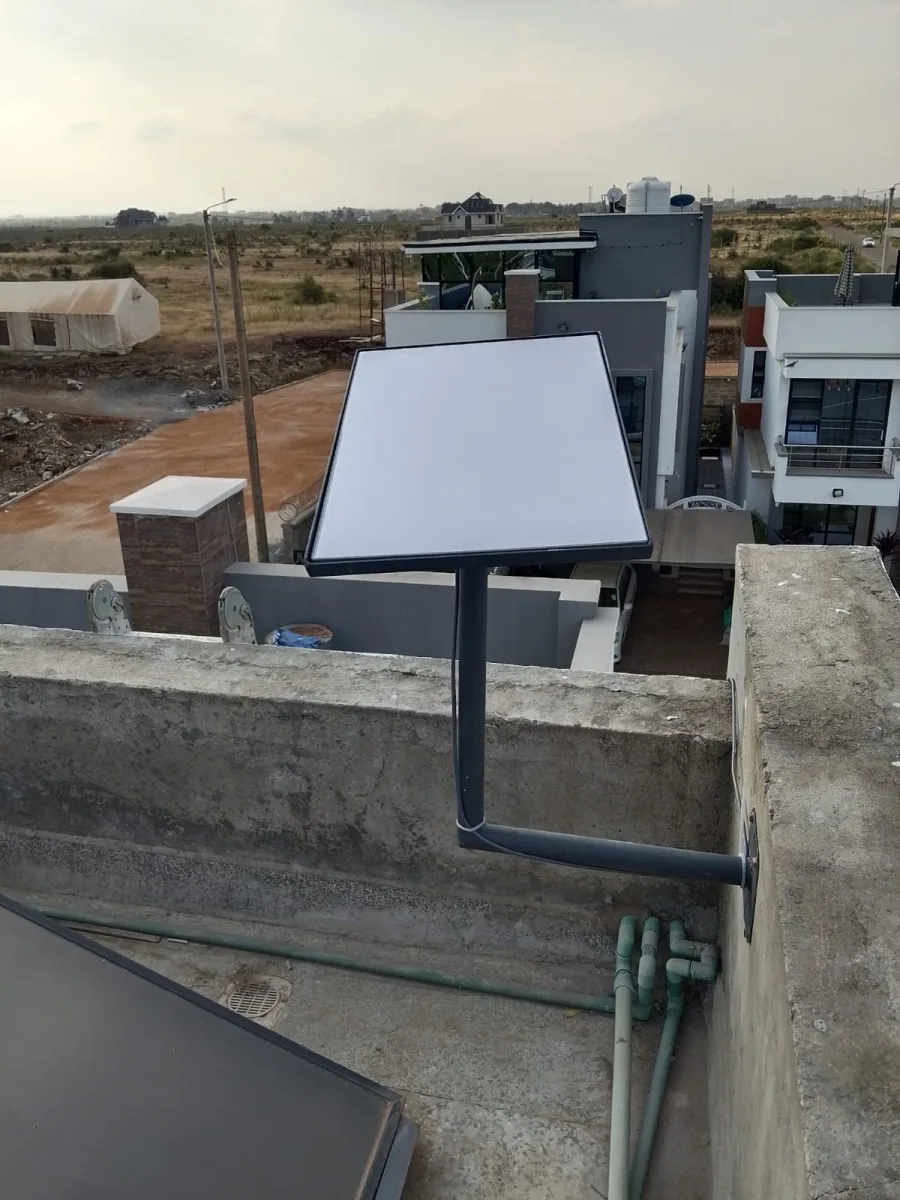
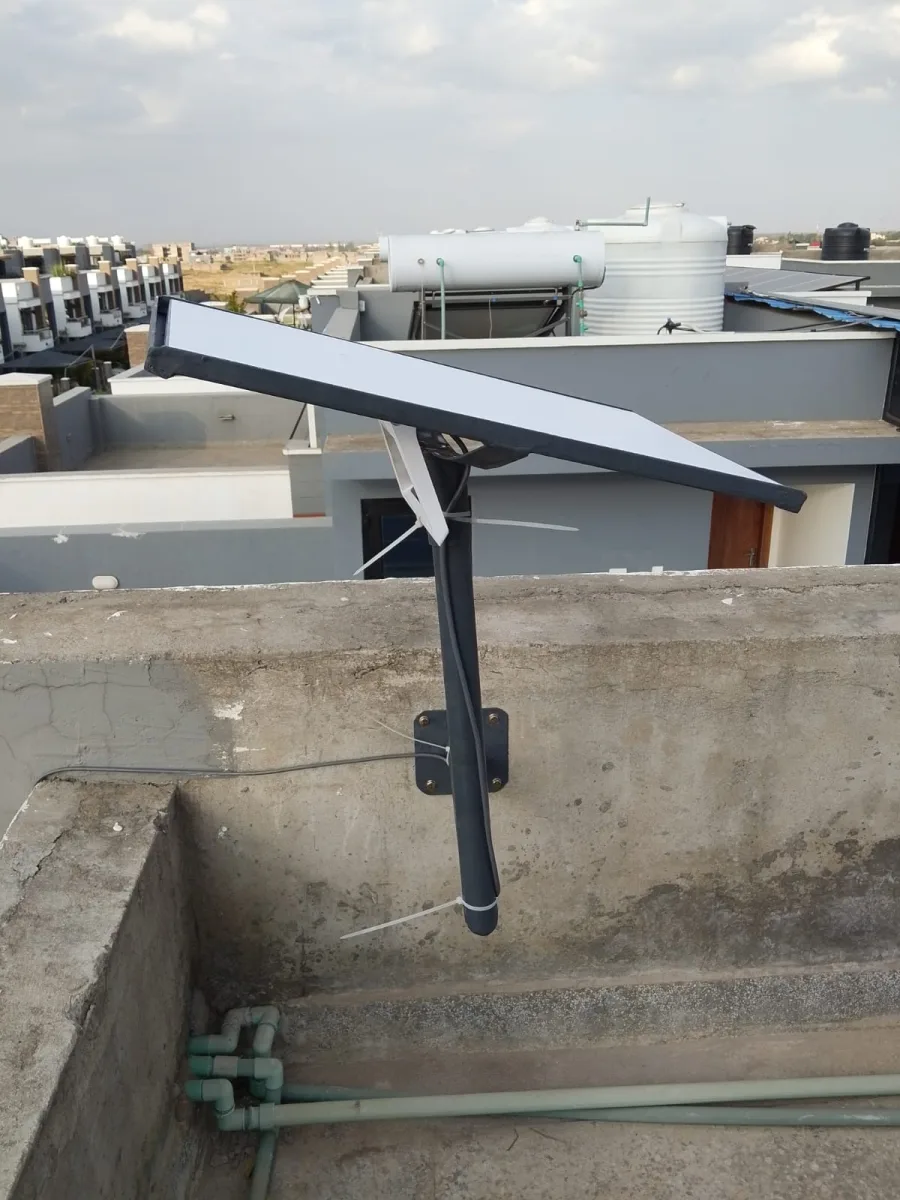

Need Starlink Installation or Network Optimization?
We help homes, offices, apartments, and businesses with Starlink installation, WiFi coverage improvement, and professional setup in Kenya.
Request Installation Chat on WhatsApp
Starlink Reliability: What You Need to Know
As satellite internet becomes more popular, Starlink has emerged as a leading provider for rural, urban, and even mobile internet users. But when it comes to Starlink reliability, there are several key factors to consider: connection stability, speed consistency, latency, and uptime. Understanding these can help you decide if Starlink is a viable internet solution for your home, business, or travel needs.
Talk to Spacekits
Need Starlink help for your home or business?
Talk to Spacekits before you buy or book installation. We help with kit supply, mounting, activation, router placement, WiFi coverage, and written quotes.
1. Understanding Starlink’s Technology
Starlink is operated by SpaceX and relies on a constellation of low Earth orbit (LEO) satellites to deliver broadband internet. Unlike traditional satellite internet, which uses a few high-orbit satellites, Starlink’s thousands of satellites are much closer to Earth, reducing latency and improving connection reliability.
Key factors affecting reliability:
Satellite density: More satellites in orbit mean fewer interruptions.
User terminal (dish) quality: Starlink dishes are self-orienting, which helps maintain a stable connection.
Environmental conditions: Weather, terrain, and obstacles like trees or buildings can impact signal quality.
2. Speed and Connection Consistency
Starlink’s speeds typically range from 50 Mbps to 250 Mbps, depending on location and network traffic. Reliability is often measured by how consistently users achieve speeds close to these benchmarks.
Factors influencing speed reliability:
Network congestion: Peak usage times may slow speeds slightly.
Distance from satellites: Although satellites orbit closer, some rural areas may still experience fluctuations.
Equipment setup: A properly installed dish ensures fewer interruptions.
Most users report relatively stable speeds during the day and minimal drops, which is impressive for a satellite-based network.
3. Latency and Its Impact on Reliability
Latency is the time it takes for data to travel from your device to the internet server and back. Traditional geostationary satellite internet often has latencies over 600ms. Starlink, thanks to its LEO satellites, achieves latency between 20–50ms, comparable to some cable connections.
Why this matters for reliability:
Low latency ensures smooth video calls, online gaming, and streaming.
Starlink’s reliability in latency makes it usable for tasks that were traditionally difficult on satellite internet.
4. Uptime and Service Availability
Starlink uptime refers to the percentage of time your internet service is available. Starlink boasts high uptime due to its extensive satellite network and self-orienting dishes.
User reports show:
Minimal service outages
Quick reconnection after brief interruptions
Reliable performance even in remote or off-grid locations
For businesses, this level of reliability can make Starlink a practical alternative to traditional wired internet.
5. Factors That Can Affect Starlink Reliability
While Starlink is generally reliable, there are certain factors that users should be aware of:
Weather Conditions: Heavy rain, snow, or thick cloud cover can temporarily disrupt the signal.
Obstructions: Trees, tall buildings, and other obstacles can block the line of sight between the dish and satellites.
Network Upgrades: As more users join Starlink, some areas may experience slower speeds until additional satellites are deployed.
Power Outages: Starlink dishes require electricity, so a power outage can disrupt connectivity unless paired with backup power.
6. User Experiences and Testimonials
Many users praise Starlink reliability for:
Seamless rural internet access
Consistent speeds during work-from-home tasks
Low latency suitable for video conferencing and online gaming
However, some users in heavily forested or mountainous areas report occasional interruptions. Overall, the consensus is that Starlink offers a dependable alternative to traditional satellite internet.
7. Comparing Starlink Reliability to Other Internet Services
| Internet Type | Average Latency | Average Speeds | Reliability Notes |
|---|---|---|---|
| Starlink | 20–50 ms | 50–250 Mbps | High, but weather-dependent |
| DSL | 30–100 ms | 10–100 Mbps | Reliable in urban areas, slower in rural |
| Cable | 10–50 ms | 100–1000 Mbps | Very reliable in cities, infrastructure-dependent |
| Traditional Satellite | 500–700 ms | 5–50 Mbps | Low reliability, high latency |
Starlink offers a unique combination of high speeds and low latency, even in areas where cable or fiber is unavailable.
8. Tips to Maximize Starlink Reliability
Optimal Dish Placement: Place your Starlink dish in an open area, free from obstructions.
Regular Firmware Updates: Ensure your Starlink terminal has the latest software for peak performance.
Backup Power Options: Consider a UPS or solar backup if internet is critical.
Monitor Network Usage: Avoid peak congestion times for heavy data use if possible.
9. Future of Starlink Reliability
SpaceX is continually expanding the Starlink satellite constellation, which will improve coverage and reliability worldwide. Advanced features like Starlink Roaming and Starlink Premium services further enhance consistent connectivity for users in both urban and remote locations.
Conclusion: Is Starlink Reliable?
In summary, Starlink reliability is impressive for a satellite internet provider. With consistent speeds, low latency, high uptime, and continuous improvements to the network, Starlink is a dependable option for homes, businesses, and off-grid locations. While weather and obstructions can occasionally affect service, proper setup and ongoing network expansion make Starlink a trustworthy solution for reliable internet access.
For anyone looking to escape the limitations of traditional broadband in remote areas or seeking a backup internet option, Starlink provides a reliable, high-performance alternative.
Starlink Reliability: Is Starlink Internet Truly Dependable?
Starlink, SpaceX’s revolutionary satellite internet service, has transformed the way people access the internet, especially in remote or underserved areas. But as more users adopt Starlink, the big question remains: How reliable is Starlink internet?
Reliability encompasses several factors: speed consistency, uptime, latency, user experience, and resilience against environmental challenges. This guide dives deep into every aspect of Starlink reliability, providing the insights you need to make an informed decision.
1. How Starlink Technology Supports Reliability
Starlink uses a constellation of low Earth orbit (LEO) satellites, orbiting at altitudes between 340 km and 1,200 km. Unlike traditional geostationary satellites that orbit at 35,786 km, Starlink’s closer satellites reduce latency and improve overall connection stability.
Key technological advantages:
Dense satellite network: Thousands of satellites ensure coverage even when some are offline for maintenance.
Self-orienting Starlink dish: The dish automatically aligns itself to the best satellite, minimizing downtime.
Dynamic beamforming: Starlink adapts its signal to reduce interference and maximize speed.
By combining these innovations, starlink achieves a level of reliability unprecedented in traditional satellite internet.
2. Starlink Speeds and Stability
Starlink is marketed as a high-speed internet service, with typical speeds ranging from 50 Mbps to 250 Mbps. However, users often wonder if these speeds are reliable throughout the day.
Factors affecting speed reliability include:
Network congestion: Speeds can slightly drop during peak usage hours.
Distance from satellites: Users in remote areas may experience minor fluctuations.
Equipment setup: Correct dish positioning is essential for consistent performance.
Overall, most users report stable speeds that support streaming, remote work, and online gaming, making Starlink a strong contender for reliable broadband.
3. Latency: Why Starlink Outperforms Traditional Satellite Internet
Latency is crucial for activities such as video calls, online gaming, and cloud-based applications. Starlink’s latency ranges between 20–50 ms, which is a significant improvement over older satellite services with latency exceeding 600 ms.
Implications for reliability:
Smooth video conferencing without noticeable lag
Low delays for interactive online gaming
Quick loading of web pages and cloud-based applications
Starlink’s low latency is one of the main reasons users consider it a reliable internet solution.
4. Uptime: How Often Starlink Is Available
Uptime refers to the percentage of time the internet connection is active and functional. Starlink boasts impressive uptime thanks to its satellite network and smart dish technology.
What users report:
Very few service outages
Automatic reconnection after brief interruptions
Reliable connectivity even in remote or off-grid locations
For businesses, consistent uptime can make Starlink a viable alternative to wired internet services in areas where fiber or cable is unavailable.
5. Environmental Factors That Impact Starlink Reliability
While Starlink is generally dependable, certain environmental factors can temporarily reduce performance:
Weather conditions: Heavy rain, snow, or thick clouds can weaken the signal.
Obstructions: Trees, buildings, and mountains can block the line of sight.
Network saturation: As more users join, speeds may drop in crowded regions.
Power requirements: The dish needs electricity, so outages can disrupt service unless backup power is available.
By understanding these factors, users can optimize their setup for maximum reliability.
6. Starlink User Experiences
Across different regions, users share mostly positive feedback about Starlink reliability:
Rural areas: Many report finally getting consistent high-speed internet where options were limited.
Urban and suburban areas: Speeds remain stable, and the dish integrates seamlessly with home networks.
Mobile use: Starlink’s Roaming feature allows for reliable internet on RVs, boats, or temporary sites.
Some users in forested or mountainous areas note occasional interruptions, but these are typically short-lived.
7. Starlink Reliability vs. Other Internet Options
| Internet Type | Latency | Average Speeds | Reliability Notes |
|---|---|---|---|
| Starlink | 20–50 ms | 50–250 Mbps | High, weather-dependent |
| DSL | 30–100 ms | 10–100 Mbps | Reliable in urban areas, slower in rural |
| Cable | 10–50 ms | 100–1000 Mbps | Very reliable in cities, infrastructure-dependent |
| Traditional Satellite | 500–700 ms | 5–50 Mbps | Low reliability, high latency |
Starlink uniquely balances speed, latency, and coverage, making it suitable for users who need dependable internet in areas where other options are limited.
8. Tips to Maximize Starlink Reliability
Optimal Dish Placement: Install your dish in a clear, elevated location for unobstructed satellite access.
Firmware Updates: Keep your Starlink terminal updated to ensure peak performance.
Backup Power Solutions: Use a UPS or solar backup to maintain internet during outages.
Manage Peak Usage: Avoid heavy downloads during peak hours if possible.
Regular Dish Maintenance: Clear snow, leaves, or debris to avoid signal disruption.
9. Starlink Premium and Roaming Services
For users requiring even higher reliability, Starlink offers premium services:
Starlink Premium: Higher speeds and more consistent performance, ideal for businesses and high-demand users.
Starlink Roaming: Mobile internet service for vehicles, boats, or temporary installations.
These services enhance reliability and expand coverage options.
10. Future of Starlink Reliability
SpaceX continues to expand the Starlink constellation, aiming for global coverage with over 42,000 planned satellites. Improvements in satellite density, network management, and user terminal technology will continue to enhance Starlink reliability.
Key developments on the horizon:
Advanced satellites with higher throughput
AI-based traffic management for consistent speeds
Expanded ground infrastructure to reduce congestion
As the network grows, Starlink is expected to become increasingly dependable for all users worldwide.
11. FAQs About Starlink Reliability
Q1: Can Starlink be my primary internet?
Yes. Many users in rural areas rely solely on Starlink due to its consistent speed and low latency.
Q2: How does weather affect Starlink?
Heavy rain or snow can reduce speeds temporarily, but interruptions are usually brief.
Q3: Is Starlink reliable for gaming?
Yes. With latency around 20–50 ms, Starlink is suitable for most online games.
Q4: How can I improve Starlink reliability?
Place your dish in an open area, update firmware, and consider backup power options.
Q5: Does Starlink work in all countries?
Coverage is expanding, but service availability depends on regulatory approvals in specific regions.
12. Conclusion: Is Starlink Reliable Enough for You?
Starlink combines innovative satellite technology, low latency, high speeds, and strong uptime to deliver reliable internet access, particularly where traditional broadband options are limited. While environmental factors can occasionally impact service, most users experience consistent performance suitable for streaming, remote work, and online gaming.
Whether you need internet in a rural home, off-grid cabin, or on the move, Starlink offers one of the most reliable satellite internet solutions available today.
Need Starlink Installation or Network Optimization?
We help homes, offices, apartments, and businesses with Starlink installation, WiFi coverage improvement, and professional setup in Kenya.
Request Installation Chat on WhatsApp