
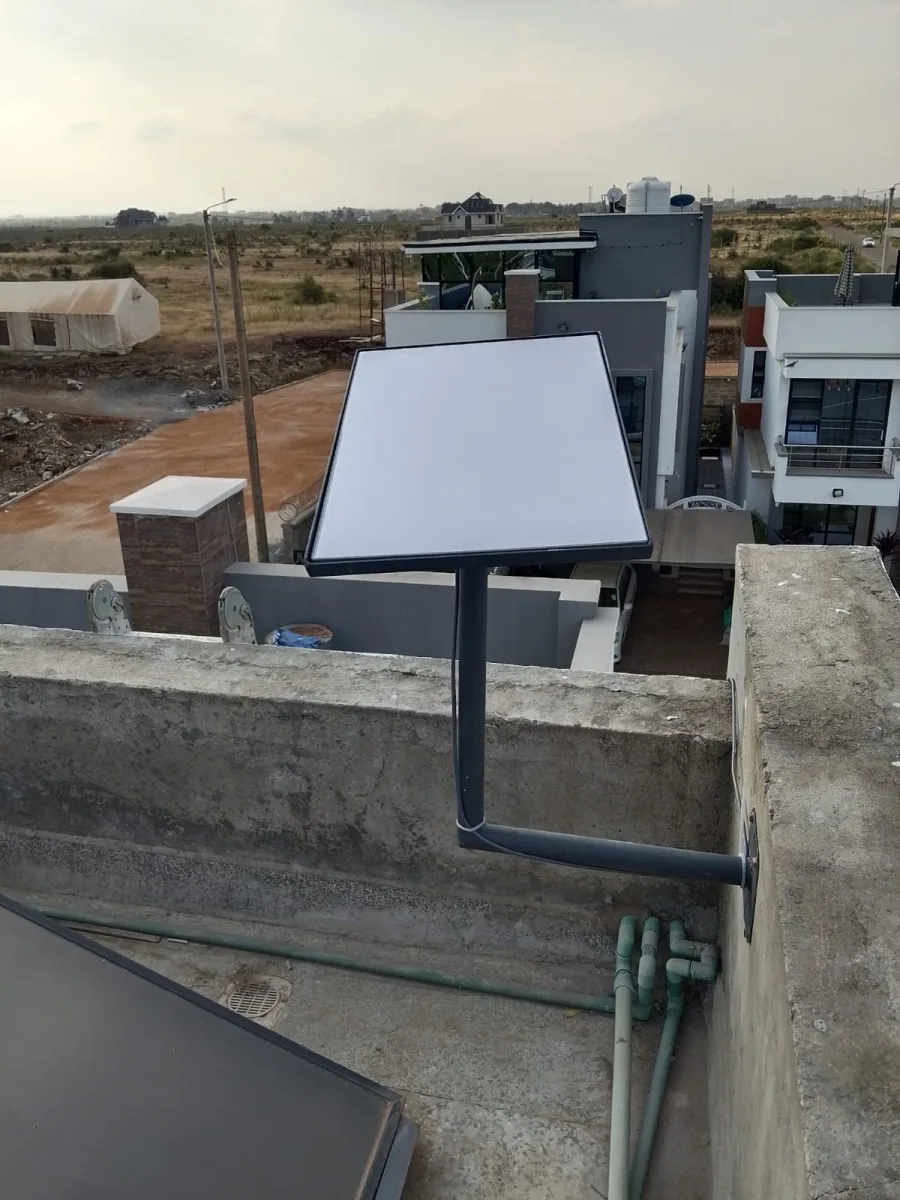
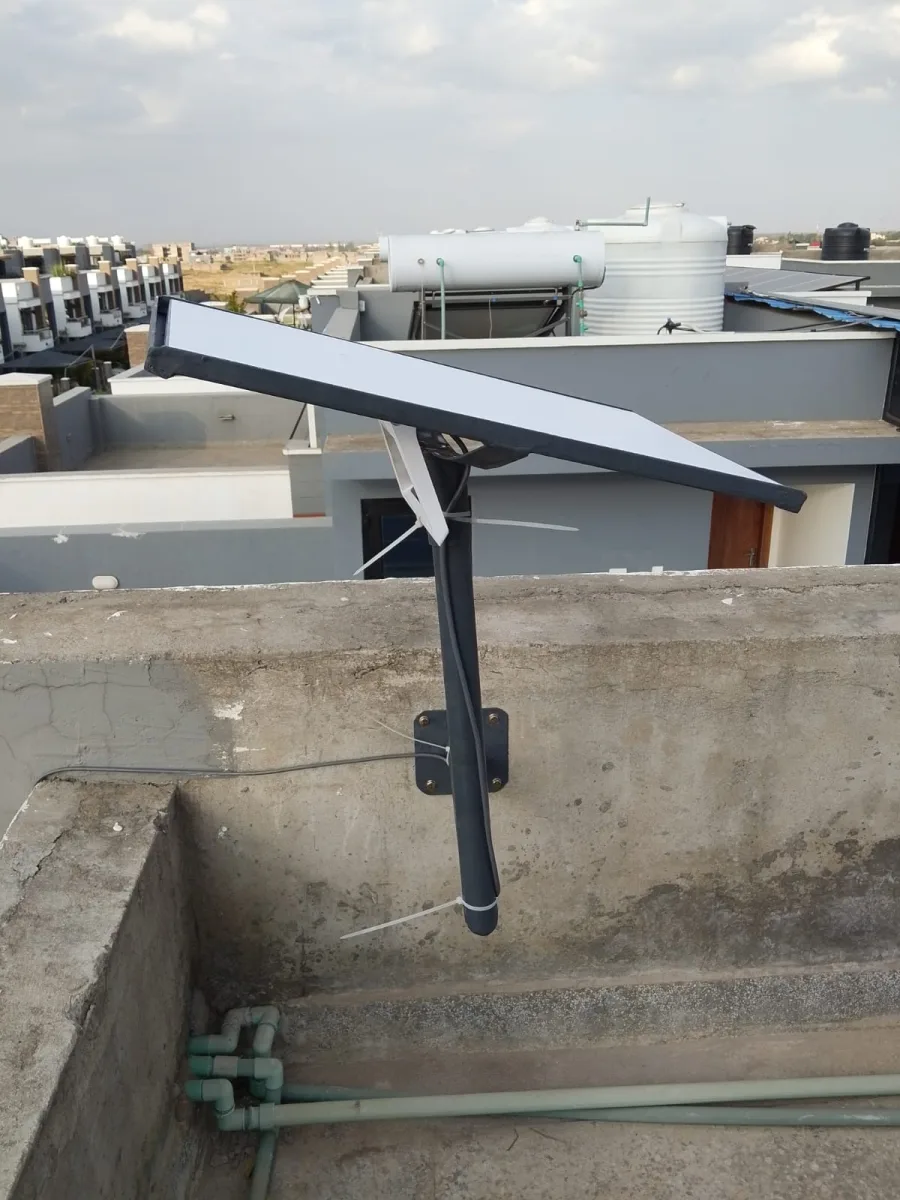
Need Starlink Installation or Network Optimization?
We help homes, offices, apartments, and businesses with Starlink installation, WiFi coverage improvement, and professional setup in Kenya.
Request Installation Chat on WhatsAppTalk to Spacekits
Need Starlink help for your home or business?
Talk to Spacekits before you buy or book installation. We help with kit supply, mounting, activation, router placement, WiFi coverage, and written quotes.
TP-Link Omada Installation Kenya helps Kenyan organisations build stable, secure and manageable connectivity for daily operations. This guide explains planning, equipment, coverage, cabling, security, testing and support so buyers can compare proposals with confidence.
SpaceKits supports homes and organisations with professional networking and Starlink-related installations across Kenya. The right design depends on the property, users and applications, so every serious project should begin with clear requirements rather than assumptions.

Quick links: SpaceKits Kenya, Starlink installation services Kenya, access point installation Kenya, and Wi-Fi installation pricing guide. Technical references: official TP-Link Omada information and Google SEO starter guidance.
Why TP-Link Omada Installation Kenya Matters
TP-Link Omada Installation Kenya is not simply about buying hardware. It is about creating a dependable network that matches the building, the number of users, the internet connection and the work people perform every day. Kenyan offices, schools, hotels, apartments, shops and remote sites increasingly depend on cloud systems, video meetings, mobile money, security cameras and customer communication. A poorly planned network can make a fast internet service feel slow. A professional deployment begins with requirements, a site assessment and a clear handover plan. SpaceKits helps customers separate the internet problem from the local Wi-Fi problem so that the correct equipment and configuration are selected.
1. Start With a Proper Site Assessment
A site assessment identifies wall materials, floors, user areas, cable routes, power points, existing equipment and possible interference. The installer should record rooms that need reliable coverage, business-critical devices and expected peak usage. It is also important to confirm whether the primary connection is fibre, Starlink, fixed wireless or mobile internet. The assessment prevents guesswork. It helps determine whether the project needs one router, several access points, managed switches, structured cabling or an outdoor link. Ask for a written scope showing what is included, what the customer must supply and how testing will be completed.
2. Define Users, Devices and Applications
An Omada network may combine a gateway, controller, managed switches and access points for centralized visibility. Capacity planning should count people and devices separately because one user may connect a phone, laptop, television and other equipment. Video calls, cloud backups, CCTV and large downloads create different loads. Guest access should not interfere with administration, payments or operational systems. A clear device and application list allows the network to be designed for real demand instead of an unrealistic best-case estimate. It also makes future expansion easier because the owner knows where capacity is likely to be needed.
3. Choose the Correct Equipment
Check whether the chosen access points are indoor or outdoor models and whether the switches provide the required PoE budget. Equipment should be selected for the project rather than for brand popularity alone. Compare supported user capacity, radio standards, management options, available ports, power requirements, warranty and local support. Indoor access points should not be installed outdoors, and home-grade routers should not be expected to serve a large hotel or busy office. A good quotation explains why each component is included and identifies optional upgrades separately.
4. Plan Coverage, Not Just Internet Speed
Internet speed and Wi-Fi coverage are different. A speed test next to the router can be excellent while rooms farther away remain unusable. Coverage planning considers distance, concrete walls, metal roofs, glass, shelving, machinery and neighbouring networks. Multiple wired access points are often more reliable than adding many wireless repeaters. The installer should test the actual work areas after installation and document any zones that need further improvement.
5. Use Structured Cabling Where Appropriate
Ethernet cabling provides a stable connection between routers, switches and access points. Cat6 is commonly used for modern installations, but cable quality, termination, route protection and maximum run length matter. Cables should not be loosely placed across walkways or exposed to sharp roof edges and water. Labels at both ends make maintenance easier. Where buildings are separated, the correct solution may be fibre or a properly designed point-to-point wireless link rather than an unsafe cable between structures.
6. Separate Staff, Guests and Critical Devices
Controllers can simplify guest networks, roaming and device monitoring, but policies must still be designed for the site. Network separation reduces unnecessary exposure and makes bandwidth policies easier to manage. Staff systems, guest users, CCTV, payment devices and administration equipment may require different access rules. A guest should not automatically be able to discover office printers or camera recorders. The design should remain practical: security features must be documented so the owner is not locked out of their own system after handover.
7. Configure Security Carefully
Change default administrator credentials, use strong Wi-Fi security, update supported firmware and restrict management access. Keep a secure record of device models, serial numbers, configuration backups and warranty information. Remote administration should only be enabled when needed and protected appropriately. Kenya’s data-protection obligations may apply when a network processes personal information, customer details, employee records or identifiable CCTV footage. Businesses should seek qualified advice for their exact compliance duties.
8. Include Power Protection and Continuity
Routers, switches and access points require stable power. Sudden outages and surges can interrupt service or damage equipment. Depending on the site, the design may include a UPS, surge protection, solar backup or generator support. The backup runtime should cover the internet equipment as well as the local network; powering only the router is not enough if the dish, switch or access points are offline. Test the backup arrangement during handover.
9. Test Before Handover
A professional handover checks internet connectivity, Wi-Fi signal in agreed areas, roaming between access points, wired ports, guest access and critical applications. Testing should happen during realistic use rather than only when the building is empty. Record baseline speed and latency results but remember that internet performance can change over time. The owner should receive the Wi-Fi names, authorized credentials, equipment list, support contact and a note of any limitations.
10. Avoid Common Installation Mistakes
Common mistakes include placing every device in one corner, using unsupported cable, hiding access points inside cabinets, mixing business and guest traffic without a plan, ignoring power backup and failing to keep configuration records. Buying the cheapest device can also create higher costs when it must be replaced quickly. Another mistake is promising exact speeds everywhere without surveying the property. A reliable provider explains what can be measured, what depends on the internet service and what may require an additional phase.
Cost Factors in Kenya
The final quotation depends on the building size, number of access points, router and switch capacity, cable lengths, mounting requirements, working height, travel, configuration complexity and testing. Equipment supply and installation labour should be separated where possible. Ask whether taxes, transport, consumables and after-sales visits are included. SpaceKits provides written quotations after understanding the location and scope. Call or WhatsApp 0725345345 with your town, property type, number of floors and current internet connection.
How SpaceKits Approaches the Project
SpaceKits begins by understanding the customer’s problem and the result they need. The team can assess existing equipment, recommend a practical design, install customer-approved components, configure the network and test agreed coverage areas. The customer should retain ownership of accounts and receive a clear handover. SpaceKits is an independent networking and Starlink installation service provider. Product availability, official services and subscription terms should be confirmed with the relevant manufacturer or internet provider.
Implementation Checklist
Before booking, prepare a floor plan or simple sketch, estimate users and devices, identify critical rooms, list existing equipment, confirm the internet service, note power challenges and define the budget. During installation, approve cable routes and mounting points. After installation, test every important room, confirm guest access, save the handover information and schedule a review after users return. This checklist helps TP-Link Omada Installation Kenya deliver a measurable result rather than a collection of disconnected devices.
Frequently Asked Questions
How long does installation take?
Time depends on the site, cabling and equipment. A small setup may be completed quickly, while a multi-floor or multi-building project needs more planning and testing.
Can SpaceKits work with equipment I already own?
Yes, subject to compatibility, condition and an agreed scope. Share model numbers before the visit.
Will this guarantee the same speed in every room?
No responsible installer should promise that without assessment and testing. Coverage can be designed and measured, while internet speed also depends on the service provider and current network load.
Can Starlink be used with this setup?
Yes. Starlink can be the primary or backup connection where the selected networking equipment supports the required configuration.
How do I request a quote?
Call or WhatsApp 0725345345 and provide the location, building type, number of users and equipment already available.
Maintenance and Monitoring
A network should be reviewed after installation because user numbers, rooms and applications change. Monitoring can reveal overloaded access points, failing cables, repeated power interruptions or unauthorized devices. Establish who is allowed to make configuration changes and how those changes will be recorded. Firmware updates should be planned, backed up and tested rather than installed carelessly during busy hours. Clean equipment areas, keep ventilation clear and inspect outdoor mounts and cables after severe weather. Preventive maintenance is usually less disruptive than waiting for a complete outage.
Planning for Growth
A good design allows sensible expansion. Leave capacity in network cabinets, label spare ports and document cable routes. Consider whether new rooms, branches, cameras, phones or cloud applications will be added within the next two years. Expansion planning does not mean buying excessive equipment immediately; it means avoiding choices that make every upgrade a replacement project. When comparing TP-Link Omada Installation Kenya proposals, ask how an additional access point, building or internet connection would be incorporated.
Procurement and Ownership
Buy equipment through traceable channels and retain invoices, model numbers and serial numbers. Confirm warranty arrangements before payment. The customer should know which subscriptions, cloud controllers or licences may be required and who owns the associated accounts. Avoid used equipment that remains tied to another organisation or cannot receive supported updates. If SpaceKits supplies equipment, request a written list. If the customer supplies it, share exact models early so compatibility can be checked before technicians travel.
Measuring Success
Success should be defined before the work begins. Examples include reliable video meetings in specified rooms, usable guest Wi-Fi in agreed areas, stable access to cloud systems, separation of critical devices and fewer support complaints. Agree on practical tests and record results during handover. A single speed test is not a complete measure; examine coverage, connection stability, roaming and application performance. If the site has many users, test during a representative busy period when possible.
When to Request Professional Help
Request professional help when the property has several floors, thick walls, outdoor spaces, multiple buildings, many users, critical payment systems or repeated failures. Assistance is also valuable when an existing network has undocumented settings or equipment from different vendors. Contact SpaceKits on 0725345345 with photographs, a floor plan, current equipment models and a short description of the problem. This preparation reduces delays and makes the first discussion more productive.
Conclusion
TP-Link Omada Installation Kenya should produce dependable coverage, controlled access and a network the owner can understand and maintain. The best results come from assessment, correct equipment, protected cabling, careful configuration and documented testing. Explore SpaceKits networking services, review SpaceKits connectivity guides, or request professional assistance through SpaceKits contact support. For a written quotation, call or WhatsApp 0725345345.
Additional Planning Questions
Ask who will manage the network after installation, how configuration changes will be approved, which faults are covered by support and how expansion will be handled. Confirm whether the quotation covers equipment supply, installation only or both. Request model numbers instead of accepting vague descriptions such as “powerful router.” Ensure the final setup does not depend on an installer-owned account that the customer cannot access.
For organisations, appoint one responsible contact for approvals and handover. Keep the network diagram, invoice, warranty information and configuration backup together. Review connected devices periodically and remove access that is no longer required. These basic controls make TP-Link Omada Installation Kenya easier to operate over the long term.
TP-Link Omada Installation Kenya Service Checklist
Before booking TP-Link Omada Installation Kenya, confirm the site location, number of users and critical coverage areas. A clear brief makes TP-Link Omada Installation Kenya quotations more accurate.
During TP-Link Omada Installation Kenya, approve equipment positions, cable routes and network names. After TP-Link Omada Installation Kenya, test every agreed room and retain the handover records.
For professional TP-Link Omada Installation Kenya support, call or WhatsApp SpaceKits on 0725345345.
Need Starlink Installation or Network Optimization?
We help homes, offices, apartments, and businesses with Starlink installation, WiFi coverage improvement, and professional setup in Kenya.
Request Installation Chat on WhatsApp