

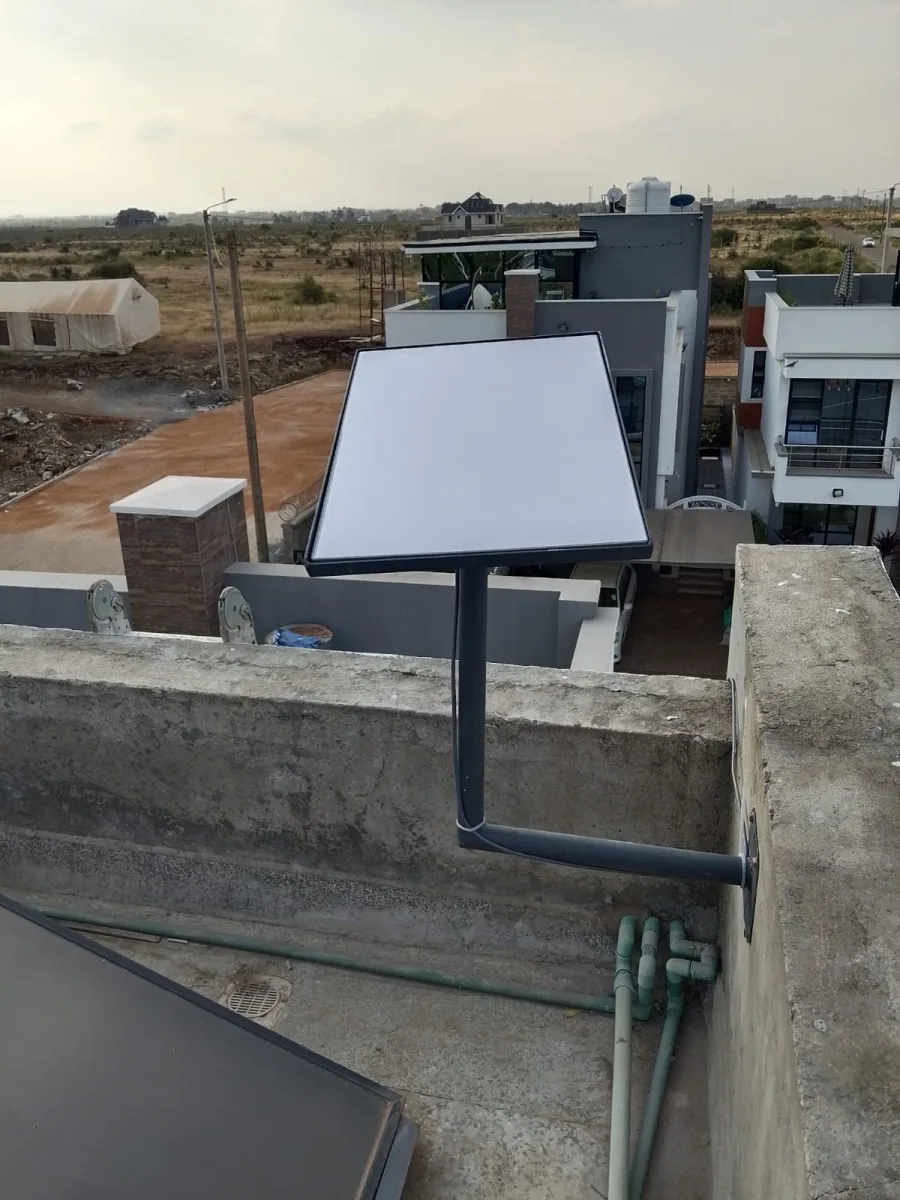
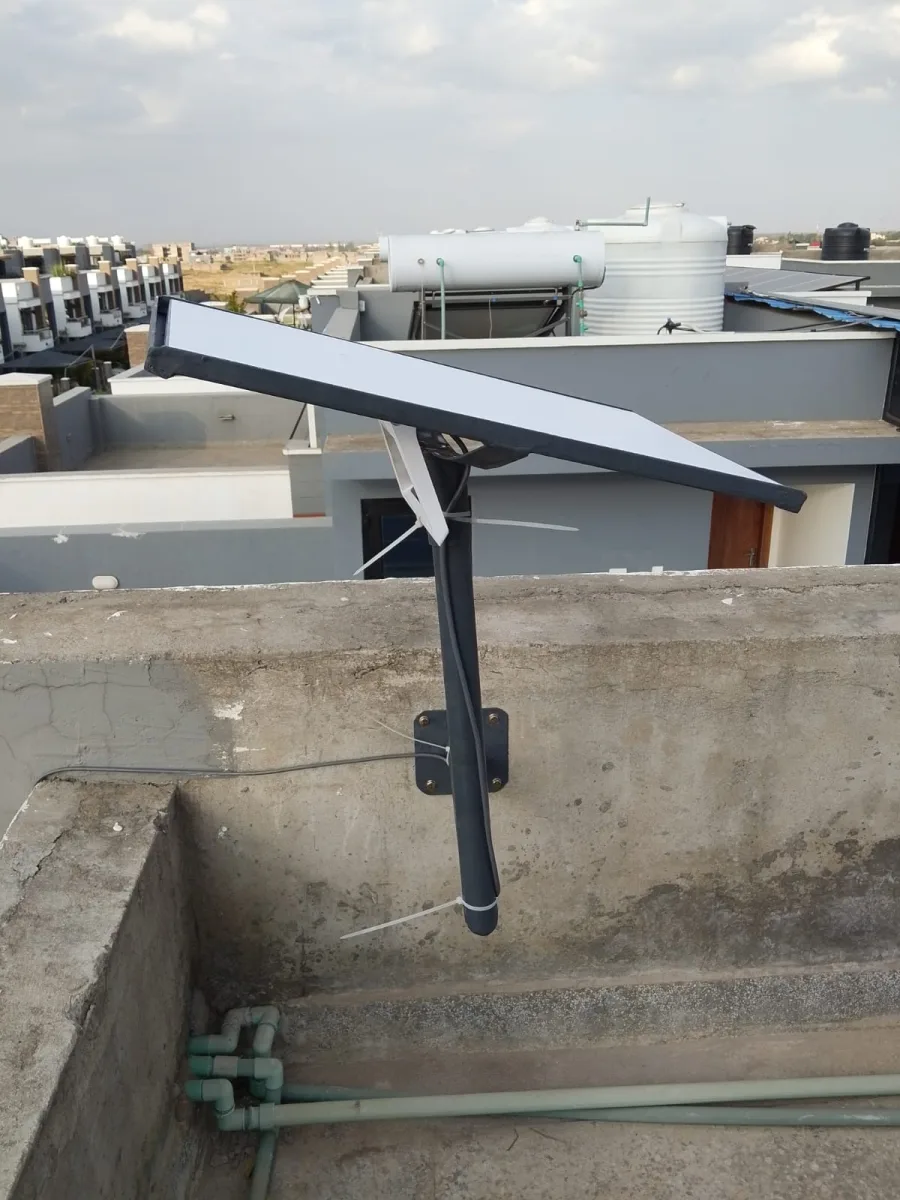

Need Starlink Installation or Network Optimization?
We help homes, offices, apartments, and businesses with Starlink installation, WiFi coverage improvement, and professional setup in Kenya.
Request Installation Chat on WhatsApp
Starlink Reliability: Can You Count on It?
When evaluating Starlink reliability, users want to know one thing: will it keep them connected when it matters most? Starlink — SpaceX’s satellite internet service — has rapidly expanded across the globe, promising high‑speed broadband even in the most remote areas. But how reliable is it, really?
Talk to Spacekits
Need Starlink help for your home or business?
Talk to Spacekits before you buy or book installation. We help with kit supply, mounting, activation, router placement, WiFi coverage, and written quotes.
What Is Starlink Reliability?
Starlink reliability refers to the consistency and dependability of the internet connection provided by Starlink’s satellite network. This includes uptime performance, latency stability, signal strength, and how well the service performs under varied conditions (e.g., weather, geographic obstacles, network load).
Key Factors Affecting Starlink Reliability
Satellite Coverage & Constellation Growth
Reliable internet depends heavily on the number and placement of satellites overhead. As SpaceX launches more satellites, Starlink reliability continues to improve in coverage and connection stability.Latency and Speed Consistency
Even with widespread beam switching between satellites, users generally report consistent speeds. This steady performance boosts confidence in Starlink reliability for real‑time applications like video conferencing and gaming.Weather and Environmental Impacts
Heavy rain, snow, or foliage can affect signal quality. Although Starlink aims to minimize these interruptions, weather can still influence Starlink reliability in certain regions.
How Users Rate Starlink Reliability
Independent user tests and customer feedback often highlight strong performance:
High uptime percentages — most users experience minimal service outages.
Stable download/upload speeds — even during peak usage hours.
Rapid recovery after interruptions — thanks to dynamic satellite handoffs.
These real‑world experiences strengthen the perception of Starlink reliability for both residential and business users.
Starlink Reliability vs. Traditional Internet
Compared to DSL or remote LTE connections, Starlink often delivers:
Faster speeds
Lower latency
More consistent global availability
In many rural or underserved areas, this edge in performance makes Starlink reliability a compelling alternative.
Tips to Maximize Starlink Reliability
To get the most out of your service:
Position your Starlink dish with a clear view of the sky.
Keep firmware updated for optimal performance.
Use quality surge protection to safeguard against electrical issues.
Consider a professional installation in challenging environments.
Is Starlink Reliability Right for You?
If your priority is dependable internet in areas where traditional broadband isn’t available or is inconsistent, Starlink reliability may provide a significant upgrade. For urban users with fiber access, Starlink can still be a powerful backup solution.
Conclusion
Starlink reliability has steadily improved as the satellite constellation grows and SpaceX refines its technology. While not immune to weather and occasional interruptions, the overall performance stands out — especially in underserved regions. Whether for homes, businesses, or remote locations, Starlink offers dependable connectivity that’s worth considering.
Starlink Reliability in Different Environments
Rural and Remote Areas
One of Starlink’s biggest advantages is its reliability in rural or remote locations where traditional internet options are limited. Even in areas with rugged terrain or sparse infrastructure, Starlink reliability ensures:
Steady connectivity for work-from-home setups.
Consistent access for educational platforms.
Reliable communication for emergency services and businesses.
Urban Areas
While urban regions usually have fiber and cable internet, Starlink can act as a reliable backup connection. Factors affecting reliability in cities include:
Signal obstructions from tall buildings.
Potential interference from other networks.
Limited line-of-sight in densely built areas.
Even so, Starlink continues to perform well, making it a viable secondary internet option.
Extreme Weather Conditions
Starlink reliability is impacted by adverse weather conditions, including heavy rain, snow, or storms. SpaceX has designed the network to handle some interruptions, and its auto-tracking satellite dish helps maintain connection during challenging weather. Users can further improve reliability by:
Installing the dish in a location free from obstructions like trees.
Regularly clearing snow or debris from the dish.
Comparing Starlink Reliability with Competitors
| Feature | Starlink | Satellite Internet Competitor | Fiber/DSL |
|---|---|---|---|
| Uptime | 99%+ in most regions | 95-98% | 99.9% |
| Latency | 20–50 ms | 600+ ms | 5–30 ms |
| Availability | Global (especially remote areas) | Limited | Urban areas only |
| Speed | 50–250 Mbps | 10–100 Mbps | 50–1000 Mbps |
This shows that for remote areas, Starlink reliability is significantly higher than traditional satellite internet, while latency and speed remain competitive.
How to Monitor Starlink Reliability
Starlink offers tools to monitor your connection:
Starlink App: Shows real-time speed, latency, and system status.
Network Diagnostics: Allows users to check for outages and troubleshoot.
Community Feedback: Platforms like Reddit and Starlink forums provide user-reported reliability insights.
Regular monitoring ensures you can quickly address any drops in performance.
Starlink Reliability for Businesses
Businesses in remote or mobile environments, such as farms, construction sites, or maritime operations, benefit greatly from Starlink reliability:
Maintain uninterrupted communications.
Support cloud-based operations.
Enable remote collaboration tools like Zoom and Teams without lag.
Frequently Asked Questions (FAQs) About Starlink Reliability
Q1: Does Starlink work in all weather?
A: Starlink works in most conditions but may experience temporary slowdowns in heavy rain, snow, or storms. Proper installation can minimize disruptions.
Q2: How often does Starlink lose connection?
A: Most users report rare drops, with uptime generally above 99% in well-covered areas.
Q3: Can Starlink reliability replace traditional fiber internet?
A: In urban areas with fiber, Starlink is best as a backup. For rural or remote areas, it can be the primary internet solution.
Q4: How does Starlink compare to other satellite internet providers?
A: Starlink offers faster speeds, lower latency, and more reliable coverage, especially in underserved regions.
Conclusion
Starlink reliability continues to grow as SpaceX expands its satellite constellation and optimizes technology. While no system is perfect, users in remote, rural, or challenging environments can trust Starlink to provide dependable high-speed internet. By properly positioning your dish and monitoring performance, you can maximize your connection and enjoy a reliable online experience.
Need Starlink Installation or Network Optimization?
We help homes, offices, apartments, and businesses with Starlink installation, WiFi coverage improvement, and professional setup in Kenya.
Request Installation Chat on WhatsApp