

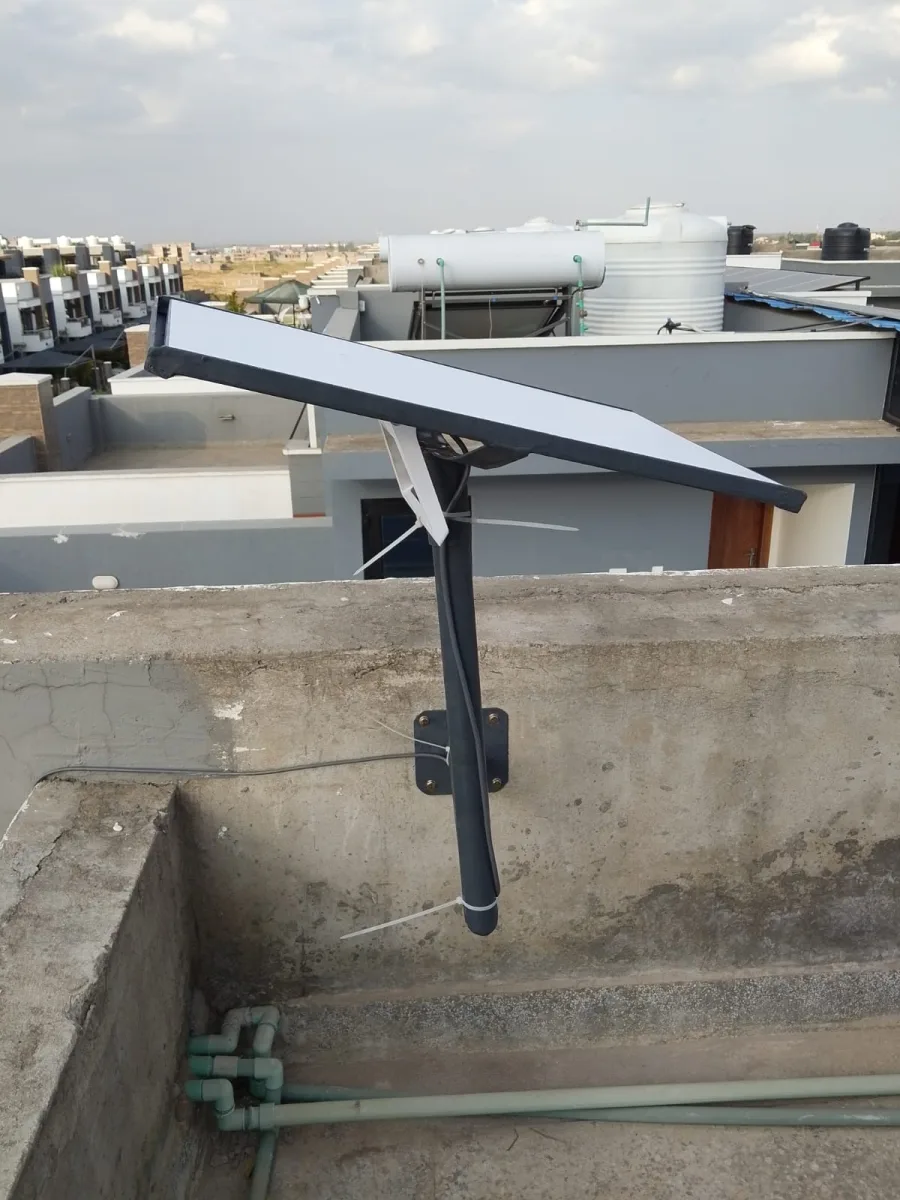

Need Starlink Installation or Network Optimization?
We help homes, offices, apartments, and businesses with Starlink installation, WiFi coverage improvement, and professional setup in Kenya.
Request Installation Chat on WhatsApp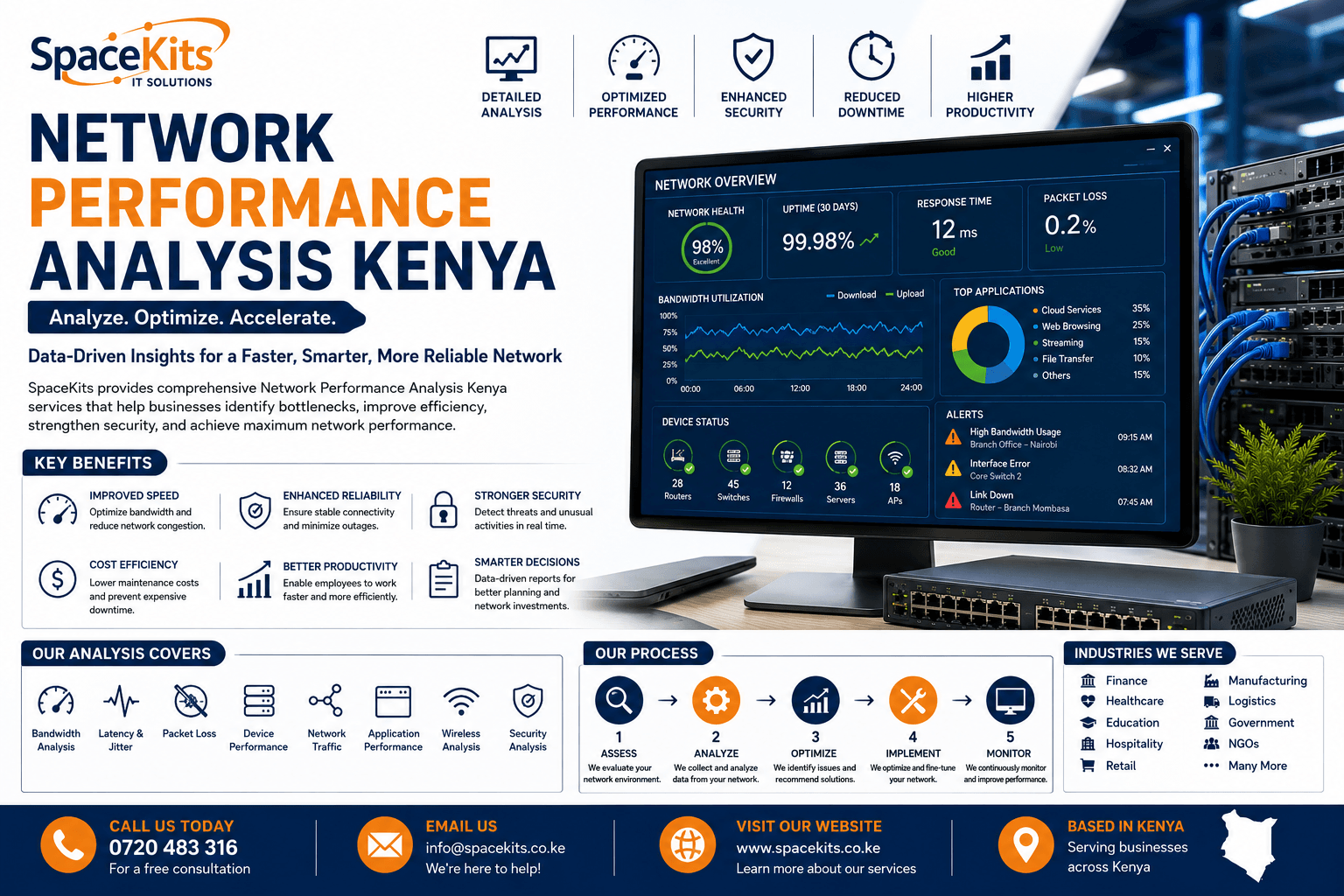
What Is Network Performance Analysis?
Network performance analysis is the process of evaluating network infrastructure to measure efficiency, identify performance problems, and improve reliability.
This process involves collecting and analyzing information from various network components, including:
- Routers
- Switches
- Firewalls
- Wireless access points
- Servers
- Cloud applications
- Storage systems
- Internet connections
Monitoring tools provide detailed insights that help administrators make informed decisions.
Why Network Performance Analysis Is Important
Every modern organization depends on digital technology to maintain efficient operations.
Without proper analysis, businesses may experience:
- Slow internet connections
- Frequent service interruptions
- Network congestion
- Increased security risks
- Reduced employee productivity
- Delayed communication
- Poor customer experiences
- Increased maintenance expenses
Performance analysis enables organizations to identify problems before they affect business operations.
Key Metrics Used in Network Performance Analysis
Several important indicators help engineers evaluate network health.
Latency
Latency measures the amount of time required for information to travel from one location to another.
Bandwidth Utilization
Bandwidth analysis helps organizations understand how network resources are being used.
Packet Loss
Packet loss occurs when information fails to reach its intended destination.
Response Time
Response time measures how quickly devices respond to requests.
Device Availability
Availability measurements help determine the reliability of network infrastructure.
Error Rates
Error analysis helps identify hardware failures, configuration issues, and connectivity problems.
Common Causes of Poor Network Performance
Numerous factors can affect network efficiency.
Hardware Failures
Damaged or outdated equipment can reduce overall performance.
Insufficient Bandwidth
Limited internet capacity often causes congestion and slow connections.
Network Congestion
Large amounts of traffic may overwhelm existing infrastructure.
Poor Configuration
Improper settings can negatively affect communication between devices.
Cybersecurity Threats
Malicious activity can reduce performance and compromise sensitive information.
Wireless Interference
Obstacles, environmental conditions, and overlapping frequencies can weaken wireless signals.
Benefits of Network Performance Analysis Kenya
Improved Reliability
Businesses can reduce downtime and maintain stable connectivity.
Better Security
Continuous analysis helps organizations identify unusual activity and potential threats.
Increased Productivity
Reliable networks enable employees to work efficiently without interruptions.
Reduced Operational Costs
Early problem detection helps organizations avoid expensive repairs.
Greater Visibility
Administrators gain a complete understanding of network performance.
Better Customer Experiences
Reliable infrastructure ensures uninterrupted communication and service delivery.
Our Network Analysis Process
At SpaceKits, we follow a structured approach to performance analysis.
Step 1: Infrastructure Assessment
Our specialists review existing infrastructure and identify critical systems.
Step 2: Data Collection
Monitoring tools gather information from network devices and applications.
Step 3: Performance Evaluation
Engineers analyze network behavior and identify areas for improvement.
Step 4: Problem Resolution
Technical teams implement corrective actions to improve reliability.
Step 5: Continuous Monitoring
Networks are continuously monitored to maintain optimal performance.
Industries We Serve
Our Network Performance Analysis Kenya solutions support various industries, including:
- Financial institutions
- Schools and universities
- Hospitals
- Hotels
- Manufacturing companies
- Logistics organizations
- Government institutions
- Retail businesses
- Non-governmental organizations
- Technology companies
Technologies Used in Network Analysis
Our specialists use advanced technologies, including:
- Network monitoring software
- Performance analytics platforms
- Traffic analysis tools
- Artificial intelligence solutions
- Automated alert systems
- Cloud monitoring platforms
- Security information systems
- Bandwidth analysis tools
These technologies provide valuable insights that support better decision-making.
Why Choose SpaceKits?
Businesses trust SpaceKits because we provide:
- Experienced network engineers
- Continuous monitoring
- Advanced reporting solutions
- Customized implementation strategies
- Reliable technical support
- Flexible service packages
- Scalable infrastructure solutions
- Proactive maintenance services
- Strong cybersecurity expertise
- Professional consulting services
Warning Signs of Network Performance Problems
Businesses often overlook early warning signs until a major interruption occurs. Recognizing these indicators early can help organizations prevent serious operational disruptions.
Talk to Spacekits
Need Starlink help for your home or business?
Talk to Spacekits before you buy or book installation. We help with kit supply, mounting, activation, router placement, WiFi coverage, and written quotes.
Common signs include:
- Slow internet speeds
- Frequent network interruptions
- Delayed access to applications
- Poor video conferencing quality
- Unstable wireless connections
- High bandwidth usage
- Unexpected system failures
- Increased response times
- Frequent error messages
- Unusual network activity
The Importance of Real-Time Monitoring
Real-time monitoring enables organizations to identify and resolve problems before they affect daily operations.
Some of the advantages include:
- Immediate alert notifications
- Faster troubleshooting
- Reduced downtime
- Better resource management
- Improved infrastructure visibility
- Increased network reliability
- Better security monitoring
- Enhanced business continuity
Continuous monitoring helps organizations maintain high performance levels while reducing operational risks.
How Artificial Intelligence Improves Network Performance
Artificial intelligence has significantly transformed modern network management.
AI-powered systems can:
- Detect unusual traffic patterns.
- Identify equipment failures.
- Predict future problems.
- Generate automated reports.
- Analyze network behavior.
- Improve security monitoring.
- Reduce maintenance costs.
- Increase overall efficiency.
These capabilities enable organizations to respond to problems more quickly and accurately.
Essential Network Performance Indicators
Several measurements are used to determine network efficiency and reliability.
Throughput
Throughput measures the amount of data successfully transmitted across the network.
Jitter
Jitter refers to variations in packet transmission times and can affect communication quality.
Utilization Rate
This metric measures how efficiently network resources are being used.
Connection Stability
Connection stability determines the consistency of network performance over time.
Device Health
This indicator measures processor utilization, memory usage, storage availability, and hardware performance.
How Cloud Computing Affects Network Performance
As more organizations adopt cloud technology, network performance becomes increasingly important.
Cloud environments require:
- Stable internet connections
- High-speed data transmission
- Secure communication channels
- Efficient traffic management
- Reliable backup solutions
- Continuous performance monitoring
Businesses that invest in cloud optimization often experience improved flexibility and scalability.
How Network Performance Analysis Reduces Operational Costs
Many businesses focus on repairing problems after they occur. Unfortunately, this approach often leads to higher expenses and longer periods of downtime.
Network performance analysis helps organizations reduce costs by:
- Detecting problems early
- Preventing equipment failures
- Optimizing bandwidth usage
- Reducing maintenance expenses
- Improving employee productivity
- Minimizing service interruptions
- Increasing the lifespan of network equipment
- Reducing cybersecurity risks
By taking a proactive approach, organizations can save both time and money.
The Relationship Between Cybersecurity and Network Performance
Network performance and cybersecurity work together to protect business operations.
Cybersecurity incidents can negatively affect network efficiency in several ways:
- Malware can consume network resources.
- Unauthorized access can compromise critical systems.
- Distributed denial-of-service (DDoS) attacks can disrupt communication.
- Data breaches can interrupt business activities.
- Suspicious traffic patterns can reduce network speed.
Continuous monitoring enables administrators to identify and address these threats quickly.
Best Practices for Improving Network Performance
Organizations can improve network reliability by following these recommendations:
Upgrade Outdated Equipment
Older networking devices often struggle to support modern workloads and increased traffic.
Monitor Bandwidth Usage
Regular monitoring helps administrators identify bottlenecks and optimize network resources.
Strengthen Network Security
Security measures help prevent attacks that could affect network stability.
Implement Quality of Service (QoS)
QoS policies prioritize important applications and improve overall performance.
Conduct Regular Maintenance
Routine inspections help ensure that equipment operates efficiently.
Use Redundant Connections
Backup connections reduce the risk of unexpected service interruptions.
How Remote Work Has Changed Network Requirements
The growth of remote working environments has increased the demand for reliable network infrastructure.
Organizations now require:
- Secure virtual private networks (VPNs)
- Cloud-based collaboration tools
- Reliable wireless connectivity
- Continuous network monitoring
- Secure remote access systems
- Greater bandwidth capacity
As remote work continues to expand, businesses must invest in scalable networking solutions.
Why Businesses Should Choose Professional Network Monitoring Services
Although some organizations attempt to manage their infrastructure independently, professional monitoring services provide several advantages.
These benefits include:
- Access to experienced specialists
- Advanced monitoring tools
- Continuous support
- Faster response times
- Improved security management
- Comprehensive reporting
- Lower operational costs
- Better long-term planning
Professional services help businesses maintain secure, efficient, and reliable operations.
Our Commitment to Excellence
At SpaceKits, we understand the importance of reliable technology infrastructure.
Our specialists work closely with organizations to deliver solutions that improve performance, strengthen security, and support business growth.
Our services include:
- Network design and implementation
- Infrastructure optimization
- Network monitoring
- Cybersecurity services
- Cloud integration
- Technical support
- Data backup solutions
- Preventive maintenance
Common Tools Used for Network Analysis
Modern organizations use numerous tools to monitor and analyze network performance.
These tools include:
- Network monitoring software
- Packet analyzers
- Traffic analysis platforms
- Intrusion detection systems
- Performance management systems
- Bandwidth monitoring tools
- Cloud monitoring platforms
- Automated alert systems
- Security information management solutions
- Artificial intelligence monitoring tools
Future Trends in Network Performance Management
Several technological developments continue to reshape the networking industry.
These include:
- Artificial intelligence integration
- Machine learning technologies
- Predictive analytics
- Automated troubleshooting systems
- Cloud-native monitoring platforms
- Edge computing
- Software-defined networking (SDN)
- Software-defined wide area networking (SD-WAN)
- Zero-trust security frameworks
- Internet of Things (IoT) technologies
Frequently Asked Questions
What is network performance analysis?
Network performance analysis is the process of monitoring, measuring, and optimizing network performance to improve reliability, speed, and security.
Can small businesses benefit from network analysis?
Yes. Organizations of every size can benefit from improved performance and reduced downtime.
Does performance analysis improve cybersecurity?
Yes. Monitoring and analysis help identify suspicious activity and strengthen security measures.
Can existing infrastructure be analyzed?
Yes. Most networks can be evaluated without requiring significant changes.
Does SpaceKits provide ongoing support?
Yes. We provide continuous monitoring, reporting, maintenance, and technical assistance.
Need Starlink Installation or Network Optimization?
We help homes, offices, apartments, and businesses with Starlink installation, WiFi coverage improvement, and professional setup in Kenya.
Request Installation Chat on WhatsApp