
Need Starlink Installation or Network Optimization?
We help homes, offices, apartments, and businesses with Starlink installation, WiFi coverage improvement, and professional setup in Kenya.
Request Installation Chat on WhatsAppStarlink for Schools Kenya provides a practical internet option for educational institutions that struggle with unreliable fibre, weak mobile coverage or expensive dedicated connections. Schools can use satellite internet to support digital learning, online examinations, administration, staff communication, cloud systems and access to educational resources.
Reliable internet is no longer optional for a modern school. Teachers need online learning materials, administrators use cloud-based platforms, and students increasingly depend on digital resources for research and collaboration. However, purchasing a Starlink kit alone does not guarantee reliable coverage across classrooms, offices, laboratories, libraries, dormitories and staff areas.

A successful installation requires careful dish placement, secure mounting, structured cabling, suitable Wi-Fi access points, bandwidth management, electrical protection and a clear acceptable-use policy. SpaceKits helps Kenyan schools design and install a complete system instead of expecting one basic router to serve an entire campus.
Talk to Spacekits
Need Starlink help for your home or business?
Talk to Spacekits before you buy or book installation. We help with kit supply, mounting, activation, router placement, WiFi coverage, and written quotes.
Why Kenyan Schools Need Reliable Internet
Schools use internet connectivity for much more than browsing websites. A stable connection supports teaching, administration, communication, security and school growth. Teachers can download lesson material, use educational videos, conduct virtual sessions and communicate with parents. Administrators can process reports, manage fees, register candidates and back up important information.
Common school internet requirements include digital textbooks, online tutorials, computer-laboratory sessions, examination portals, school-management software, accounting systems, cloud storage, email, video conferencing, online payments, CCTV monitoring and approved student devices.
The Communications Authority of Kenya has highlighted continued growth in satellite connectivity and the need to reduce the urban-rural digital divide. Schools can read its report on internet access and Kenya’s digital divide.
What Is Starlink for Schools Kenya?
Starlink for Schools Kenya refers to using a Starlink satellite connection together with a properly designed local network to connect a school. The dish communicates with satellites and provides the main internet link. Routers, switches, cables and access points then distribute the connection to permitted users around the campus.
A larger school may need a business-grade router, managed network switches, indoor and outdoor access points, Ethernet cabling, fibre links between buildings, point-to-point wireless bridges, network cabinets, backup power, surge protection, content filtering and user-access controls.
Starlink has documented education deployments in which satellite connectivity supported teachers, virtual lessons and online learning tools. School managers can review examples on the official Starlink education page.
10 Benefits of Starlink for Kenyan Schools
1. Connectivity Where Fibre Is Unavailable
Many rural and developing areas do not have reliable fibre infrastructure. Extending a fibre connection to a distant school may be costly, delayed or technically unavailable. Starlink can provide an alternative because the internet connection arrives through satellite coverage. The site still requires a clear view of the sky, reliable electricity and a suitable local Wi-Fi design.
2. Faster Deployment
A basic Starlink connection can often be deployed faster than waiting for new terrestrial infrastructure. The exact installation time depends on roof access, mounting requirements, cable routing and campus size. A professional installer should inspect the site before recommending equipment.
The assessment should identify obstructions, safe mounting positions, cable entry points, buildings requiring coverage, expected users, existing network equipment and power availability. Schools can review the SpaceKits Starlink installation guide before requesting a survey.
3. Better Access to Digital Learning
Reliable connectivity helps teachers obtain lesson resources, demonstrations, research material and downloadable content. Students may access digital libraries, learning-management systems, virtual laboratories, educational videos, research databases and college application portals.
Internet access should remain supervised. Schools need to determine which users and devices can connect, which services are permitted and the hours during which student access is available.
4. Improved School Administration
School-management platforms increasingly operate through browsers and cloud infrastructure. Internet availability helps administrators manage student records, fees, communication, reporting, staff data and backups. A school can separate administrative traffic from student traffic so heavy downloads do not interfere with essential operations.
Separate networks can be created for administrators, teachers, computer laboratories, students, visitors, CCTV and other connected devices. Each network should receive appropriate permissions and bandwidth.
5. Support for Remote and Hybrid Learning
Schools can use video conferencing to connect learners with teachers, guest speakers, universities or other institutions. Video calls require stable bandwidth and low congestion. The network should manage the number of simultaneous streams and prevent uncontrolled downloads during lessons.
6. Backup Internet
A school with fibre or another terrestrial provider can use Starlink as a secondary connection. When the primary service fails, a properly configured router can move essential traffic to the backup. Automatic failover requires compatible equipment, configuration and testing.
7. Campus-Wide Coverage
One Starlink router normally cannot cover a multi-building campus. Walls, distance, metal roofs and radio interference weaken Wi-Fi signals. A complete Starlink for Schools Kenya installation should distribute connectivity using appropriately positioned access points.
The design may use Ethernet for nearby rooms, fibre for longer distances, outdoor access points for courtyards, point-to-point bridges between buildings and mesh Wi-Fi in suitable smaller environments.
8. Online Examination and Registration Support
Schools increasingly access portals for examination registration, reporting and institutional services. A reliable connection can reduce delays when administrators need to submit time-sensitive information. Critical portals should receive priority during busy periods.
9. Better Communication
Internet access supports email, parent portals, messaging systems, staff meetings and emergency communication. Schools can distribute notices faster and maintain organised records instead of relying entirely on printed communication.
10. Future Digital Expansion
A properly designed network gives the school a foundation for new computer laboratories, digital libraries, smart classrooms, CCTV systems, cloud backups and online learning programmes. The initial design should reserve capacity for realistic future growth.
Equipment Required for a School Installation
Starlink Kit
The Starlink kit supplies the satellite connection. Schools should check the official Starlink Kenya website for current hardware, service availability, prices and terms because packages can change.
Secure Mounting System
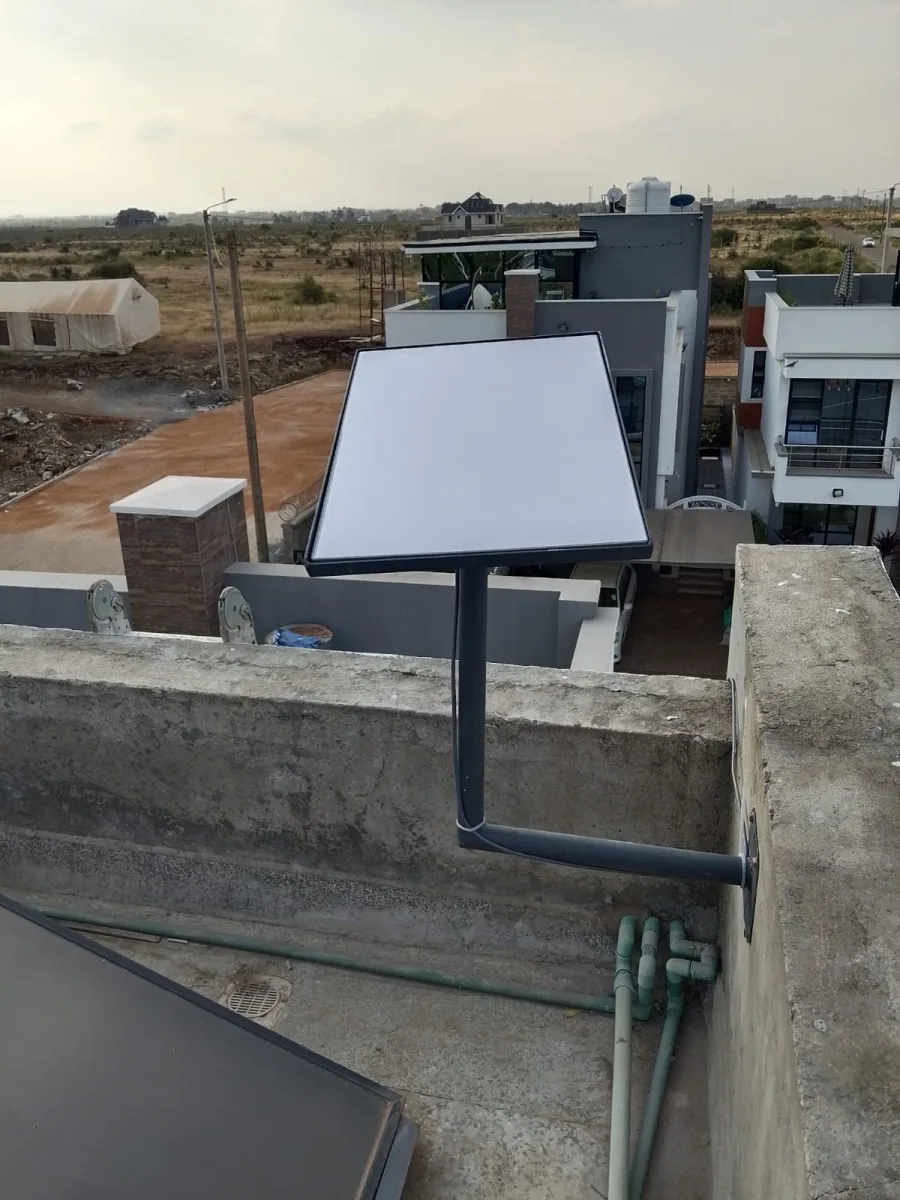
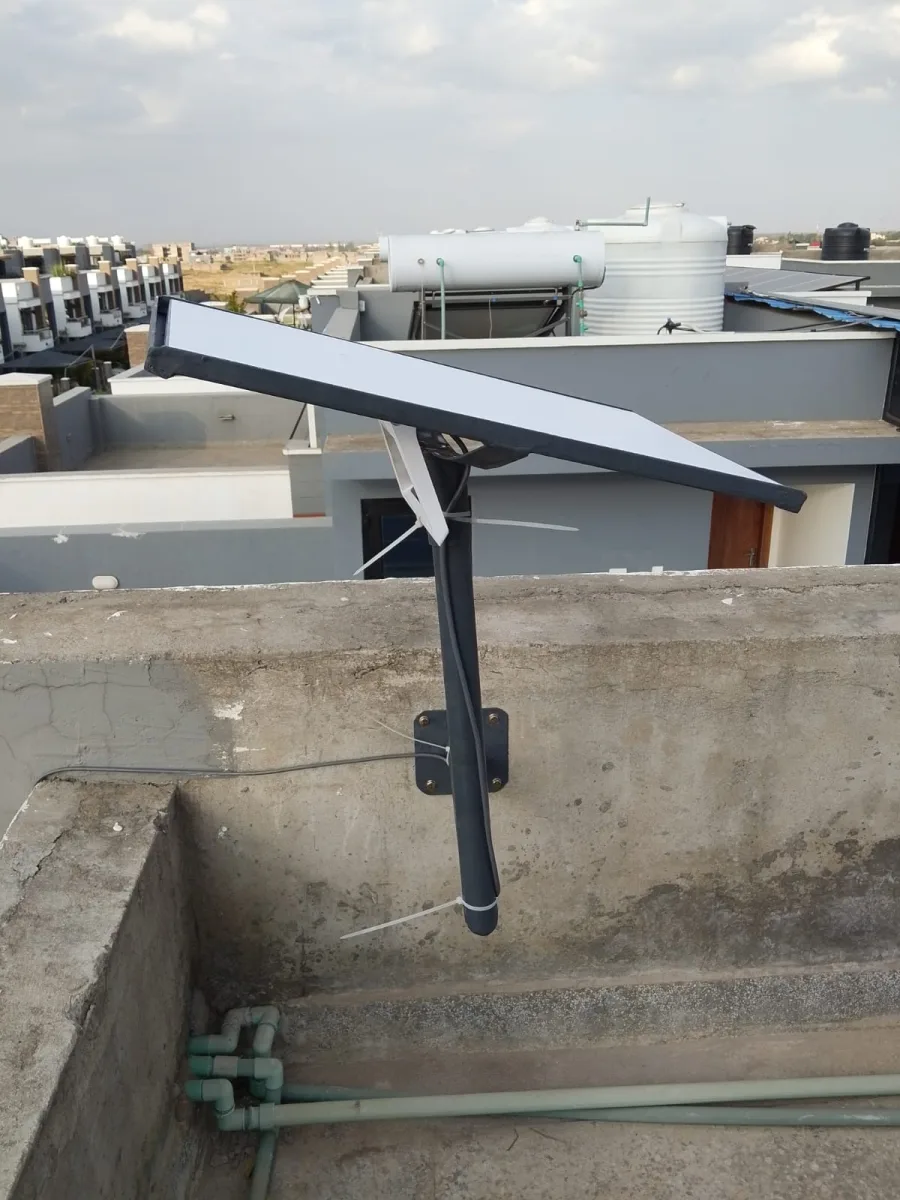
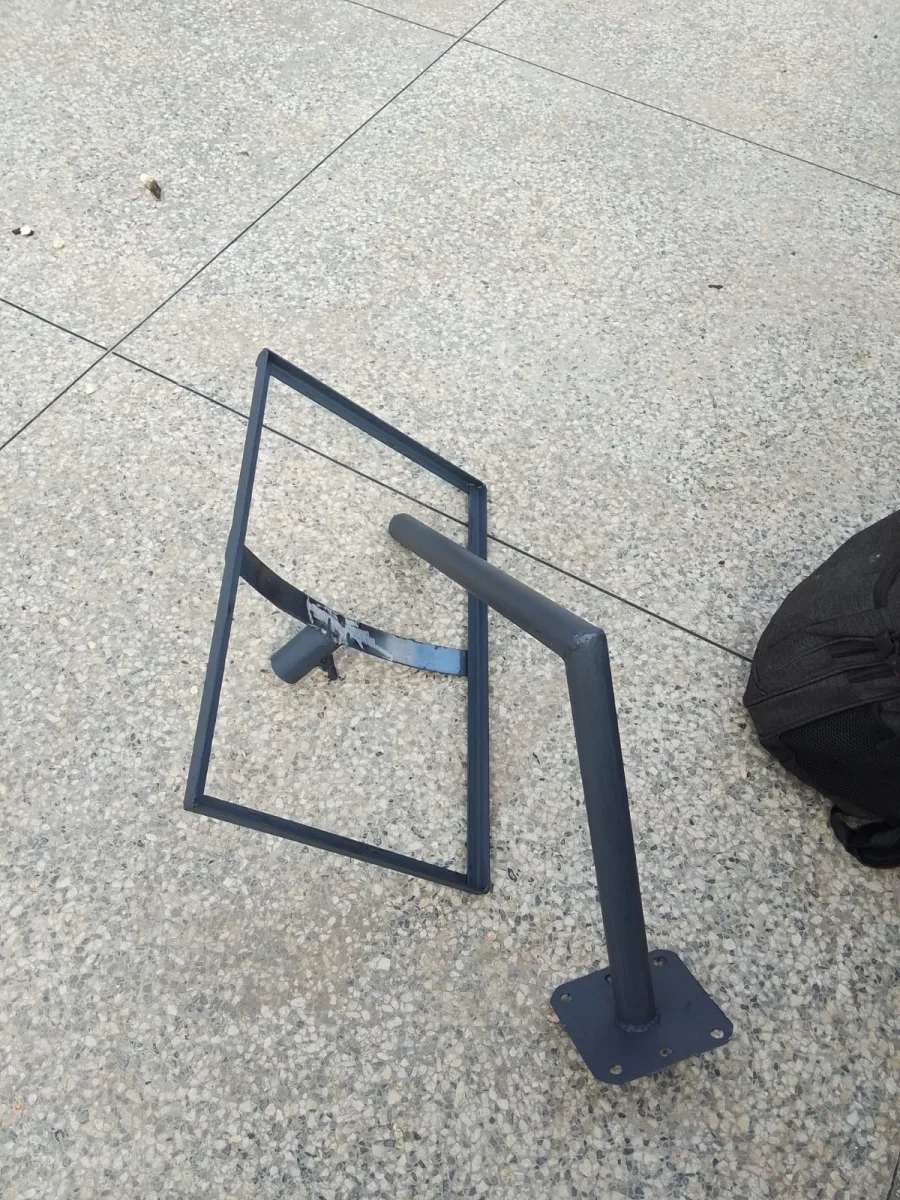
The dish needs a stable mounting point with an unobstructed sky view. Possible options include roof, wall, pole, ground and non-penetrating mounts. The installer must consider wind exposure, roof material, waterproofing, maintenance access and cable protection.
Read the SpaceKits dish-mounting guide for practical placement considerations.
Business-Grade Router
A suitable router manages users, bandwidth, firewall rules, network separation and multiple internet links. A large school should not depend entirely on a basic consumer router. Business-grade equipment provides stronger controls, logs and traffic management.
Managed Network Switches
Switches connect access points, computers, printers, CCTV equipment and wired devices. Schools should estimate current requirements and leave reasonable capacity for expansion. Managed switches can support network separation and monitoring.
Wi-Fi Access Points
Access points distribute Wi-Fi to classrooms, offices and shared areas. The required quantity depends on construction materials, room layout, expected users, device density, coverage expectations and available cabling. A Wi-Fi heatmap survey can identify suitable locations.
Structured Cabling
Quality cabling creates stable links between network devices. Cables should be properly terminated, labelled, tested and protected. Outdoor cables need protection from weather, sunlight and physical damage.
Backup Power
The dish and local network require electricity. During a blackout, the connection stops unless the school has a UPS, inverter, solar system, battery storage or generator. Backup planning should include the Starlink unit, router, switches and essential access points.
Conducting a School Site Survey
A site survey allows SpaceKits to understand the school before recommending equipment. It should record the number of buildings, distances between them, classrooms, laboratory size, administrative offices, boarding facilities, staff housing, expected devices, existing cabling and power conditions.
The technician should also examine roof access, trees and buildings that could obstruct the dish, indoor and outdoor coverage areas, security risks and future expansion. The resulting plan should show equipment quantities, proposed locations and cabling routes.
Bandwidth Management for Students and Staff
Without controls, a few users can consume most of the connection through large downloads, software updates or high-resolution streaming. Bandwidth management can prioritise school-management software, examination portals, video lessons, administrative communication and staff research.
The network can limit entertainment streaming, peer-to-peer downloads and unauthorised applications. Schools should avoid allowing every user to share one unrestricted Wi-Fi password. Individual accounts, managed devices or controlled access provide better accountability.
Student Internet Safety
Connectivity introduces responsibilities. Schools should create a written acceptable-use policy covering permitted educational use, prohibited websites, password sharing, cyberbullying, personal-data protection, download restrictions, device security and consequences for misuse.
Filtering and technical controls should support teacher supervision and digital-literacy education. No filter is a complete replacement for clear rules, staff awareness and responsible use.
Protecting the School Network
A school network contains sensitive student, staff, administrative and financial information. Security measures should include strong administrator passwords, separate accounts for technical staff, updated firmware, firewall rules, isolated student networks, configuration backups and restricted access to network cabinets.
Default passwords must be changed after installation. Accounts belonging to former employees should be removed promptly, and unusual network activity should be investigated.
Starlink Installation Cost for Schools
The complete cost depends on more than the satellite kit. A school quotation may include hardware, delivery, mounting, labour, structured cabling, routers, switches, access points, network cabinets, backup power, surge protection, configuration, testing, training and support.
A small single-building school requires less equipment than a boarding school with classrooms, dormitories, laboratories, offices and staff accommodation. Schools should request an itemised quotation showing quantities, warranties, labour, expected coverage and support terms.
SpaceKits explains general cost considerations in its Starlink installation price guide. A site survey remains the most reliable way to prepare an accurate school quotation.
Starlink for Schools Kenya Installation Process
Step 1: Requirements Assessment
The school identifies buildings, departments and users requiring connectivity. It should explain current internet problems and future plans.
Step 2: Site Survey
The installer examines dish placement, buildings, cabling routes, power and Wi-Fi requirements.
Step 3: Network Design
SpaceKits creates an equipment list and determines how internet will reach every approved location.
Step 4: Quotation and Approval
The school receives an itemised proposal covering hardware, installation, configuration and support.
Step 5: Installation
Technicians install the mount, dish, router, switches, cables and access points using safe and maintainable routes.
Step 6: Configuration
The network is divided into user groups. Passwords, access policies and bandwidth controls are configured.
Step 7: Testing
Testing covers internet availability, Wi-Fi signal strength, download and upload performance, latency, roaming, user limits, backup power and failover where installed.
Step 8: Handover and Training
The school receives guidance on monitoring, passwords, acceptable use, equipment care and fault reporting.
Common Installation Mistakes
Expecting One Router to Cover the Campus
One router is rarely sufficient for a large school. Proper access-point planning delivers stronger and more consistent coverage.
Mounting the Dish Near Obstructions
Trees, walls and roof structures can interrupt the satellite view. The location should be assessed before permanent mounting.
Ignoring Power Reliability
Power interruptions stop the complete network. Essential equipment should have adequate backup power.
Mixing Every User on One Network
Students, guests, administrators and security equipment should not share one unrestricted network.
Buying Equipment Before a Survey
Schools may buy too many, too few or unsuitable access points. A survey reduces waste and improves accountability.
Failing to Plan Technical Support
The school should know who will handle password changes, equipment faults, damaged cables, configuration backups and service escalation.
Why Choose SpaceKits?
SpaceKits provides professional Starlink installation and network-support services for schools, homes, businesses, hotels and remote facilities across Kenya.
The team assists with site surveys, kit guidance, roof and pole mounting, safe cable routing, router configuration, school Wi-Fi design, indoor and outdoor access points, structured cabling, testing, bandwidth management, backup connectivity and ongoing support.
A school receives better value when the satellite connection and local campus network are planned together. Contact SpaceKits through spacekits.co.ke or call and WhatsApp 0725345345.
Frequently Asked Questions
Is Starlink suitable for rural schools?
It can be suitable where terrestrial internet is unreliable or unavailable, provided the school has a clear sky view, sufficient power and a properly designed local network.
Can one Starlink connection serve several buildings?
Yes. Additional switches, access points, Ethernet, fibre or wireless bridges may be required depending on distance and capacity.
Can a school restrict student internet access?
A suitable router can apply user groups, access schedules, filtering policies and bandwidth limits.
Does Starlink work during a power outage?
The equipment requires electricity. A UPS, inverter, battery or solar system is needed for continued operation.
Can Starlink provide backup internet?
Yes. A compatible router can use Starlink as a secondary connection and provide automatic or manual failover.
How many access points does a school need?
The number depends on buildings, wall materials, users, devices and coverage expectations. A survey gives a more reliable answer than a general estimate.
Get a Starlink School Installation Quotation
A dependable Starlink for Schools Kenya setup combines satellite connectivity with professional mounting, structured cabling, campus Wi-Fi, user controls, backup power and technical support.
Contact SpaceKits on 0725345345 for a school site survey, network design or itemised quotation. The team will assess the campus and recommend equipment based on actual buildings, users and learning requirements.
Need Starlink Installation or Network Optimization?
We help homes, offices, apartments, and businesses with Starlink installation, WiFi coverage improvement, and professional setup in Kenya.
Request Installation Chat on WhatsApp