
Need Starlink Installation or Network Optimization?
We help homes, offices, apartments, and businesses with Starlink installation, WiFi coverage improvement, and professional setup in Kenya.
Request Installation Chat on WhatsAppSite-specific mounting for homes, apartments, offices and rural properties
Talk to Spacekits
Need Starlink help for your home or business?
Talk to Spacekits before you buy or book installation. We help with kit supply, mounting, activation, router placement, WiFi coverage, and written quotes.
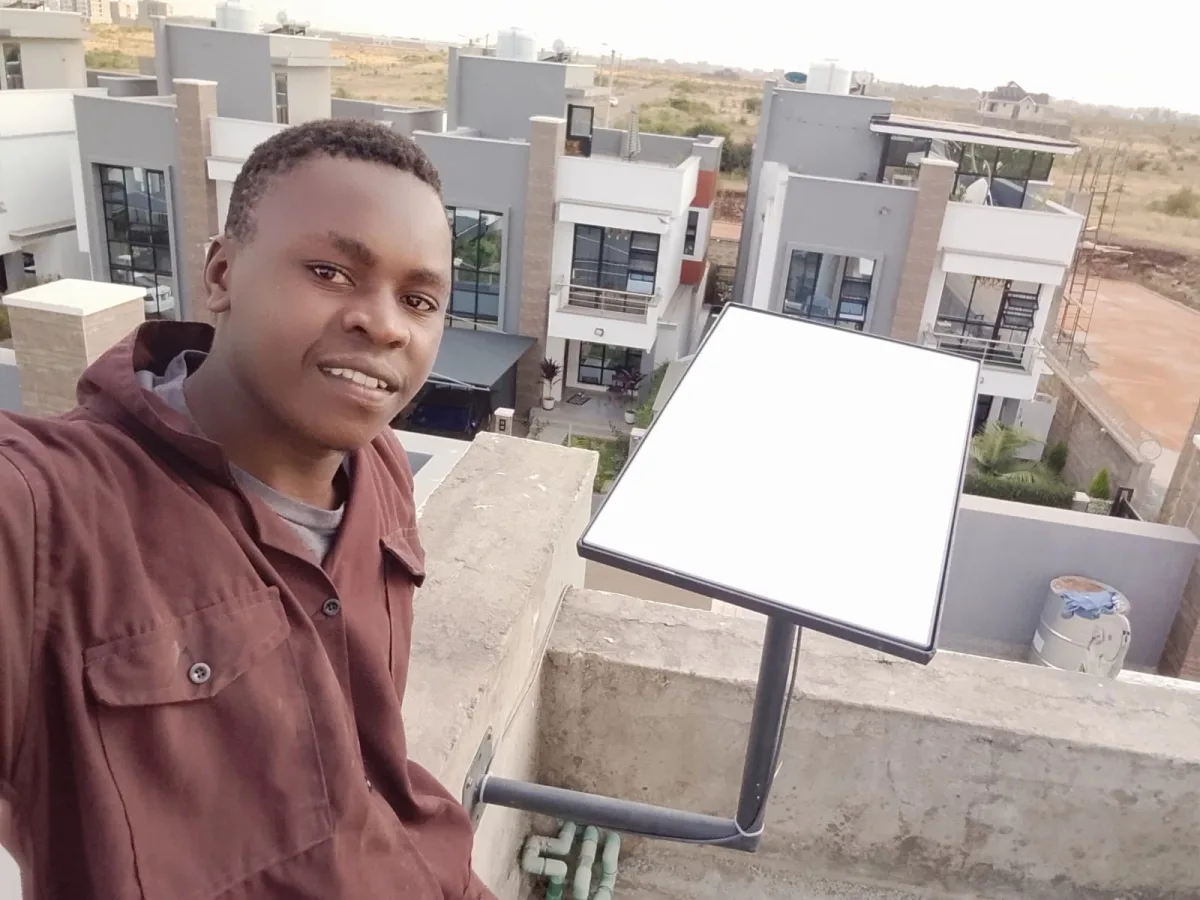
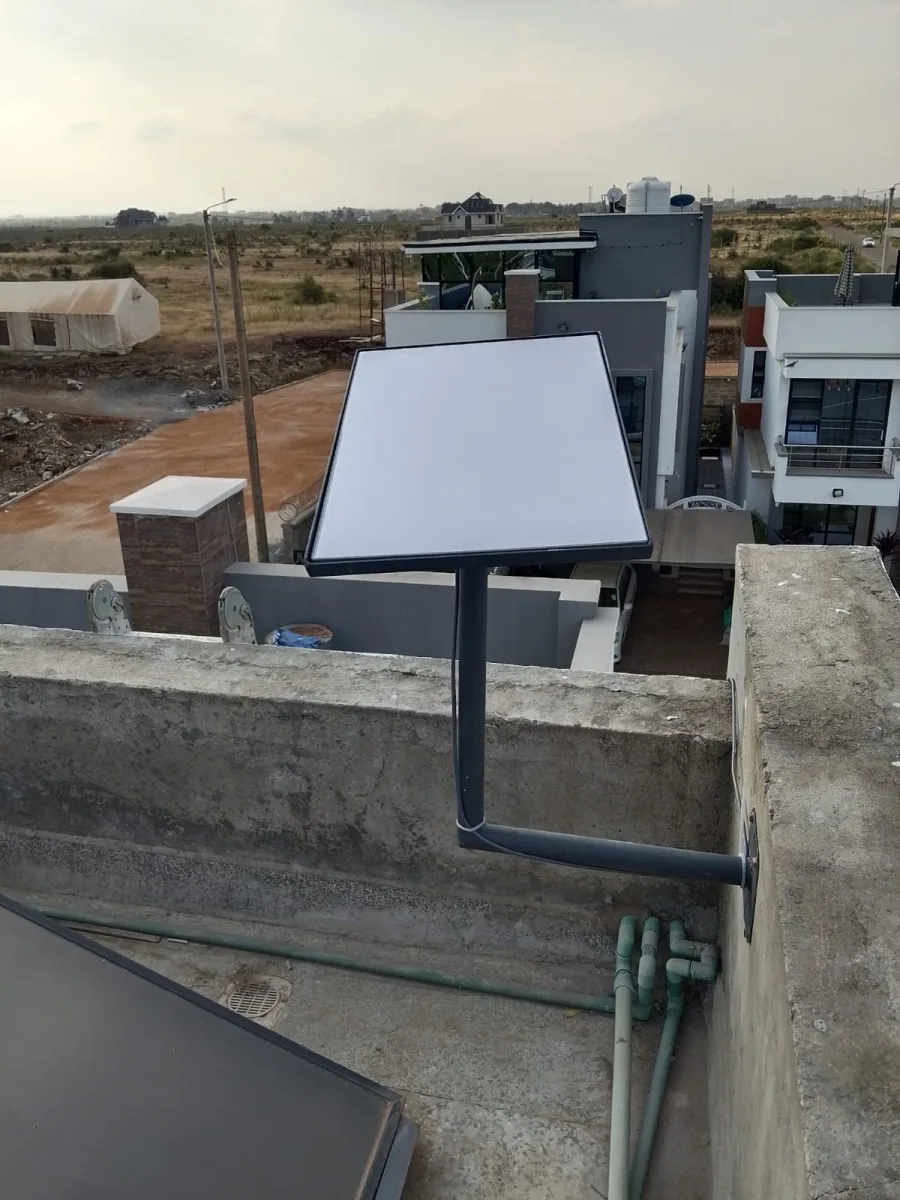
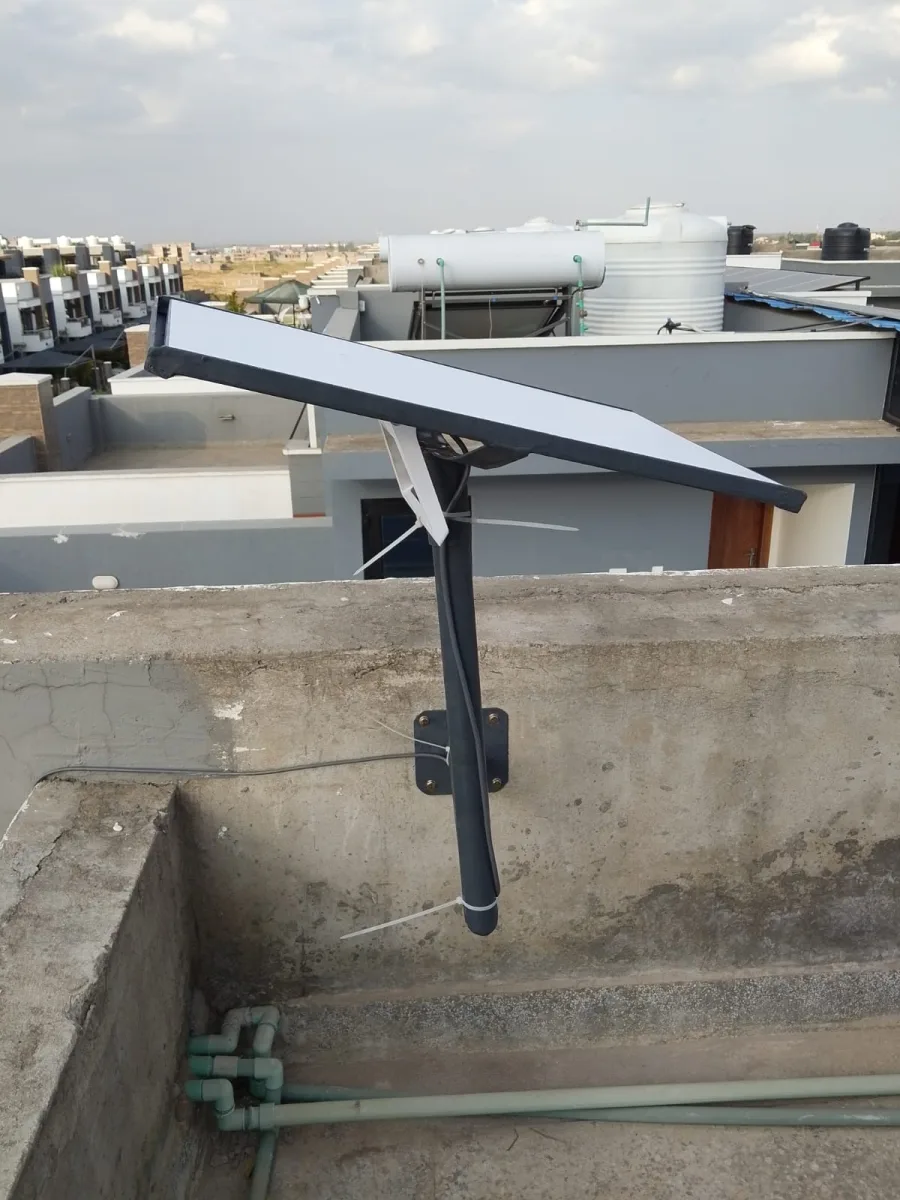
Starlink Wall and Pole Mount Installation Kenya
Starlink Wall and Pole Mount Installation Kenya services should solve three practical questions: where the terminal will have a suitable sky view, what structure can safely support it, and how the cable will reach protected indoor equipment. SpaceKits assesses those questions before selecting a bracket, pole height or fixing method. We install customer-owned Starlink equipment for households, landlords, businesses, schools, lodges, farms and organisations, subject to safe access and an agreed written scope.
Wall and pole mounts are useful when the supplied setup position is obstructed, temporary, vulnerable to people or animals, or too far from the required cable entry. They can also reduce disturbance to some roofs. But a taller pole is not automatically better, and a convenient wall is not automatically strong enough. Wind leverage, masonry condition, bracket compatibility, terminal orientation, corrosion exposure and future maintenance all matter.
Get a mounting assessment: send the exact location, kit model, full equipment photo, proposed wall or pole area, surrounding sky and distance to the preferred router position. Request a location-aware quote on WhatsApp or call +254 725 345 345.
Independent-provider notice: SpaceKits is an independent installation business in Kenya. We are not Starlink or SpaceX and do not claim official affiliation, training status or authority over hardware warranties, accounts, plans, activation, billing, capacity or platform support decisions.
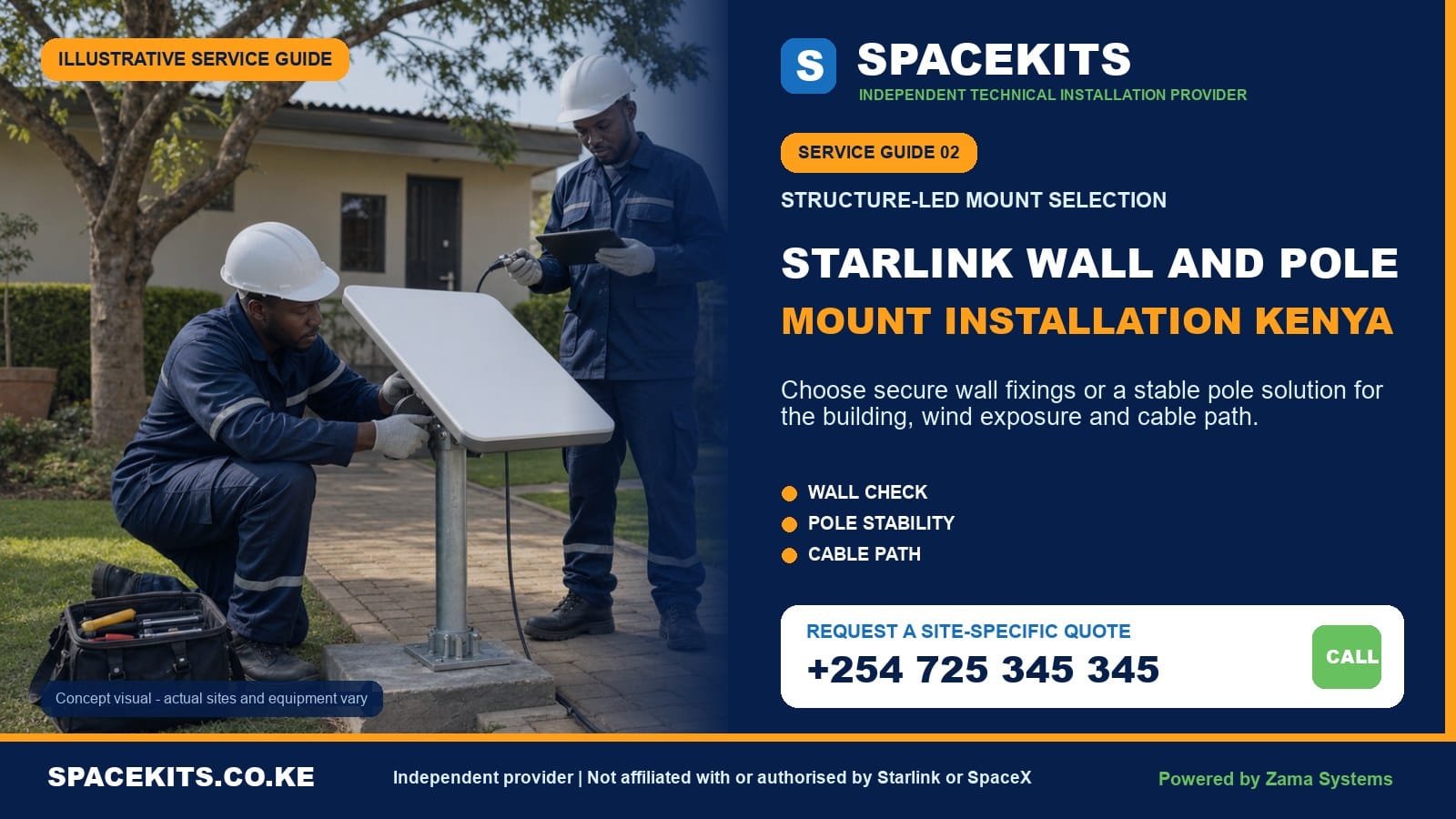
Should you choose a Starlink wall mount or pole mount?
The best mounting method is the one that meets the equipment guidance, maintains a useful field of view, transfers loads into an appropriate structure and remains accessible for inspection. Customers sometimes choose a pole because it looks adaptable, while others choose a wall bracket to avoid going onto the roof. Both can work, but neither should be selected before the site and exact Starlink model are understood.
The official Starlink application should be used to scan for obstructions near the intended terminal height. Trees, buildings, parapets, tanks, poles and roof sections can cause interruptions. Repeat the scan at realistic candidate positions. A scan from the centre of the compound does not prove that a wall beside the house will work, and a scan from ground level does not represent the top of a proposed pole.
When a wall mount can be practical
A suitable wall near the roofline can provide elevation without placing fixings through the main roof covering. It can offer a controlled cable drop and easier access than a central rooftop position. Wall mounting can suit bungalows, maisonettes, apartment end walls, offices, shops and some institutional buildings. The bracket must extend and orient the terminal correctly; simply attaching the terminal flat against a vertical wall is not an acceptable substitute for a designed mount.
The wall must be more than decorative. Sound masonry or an understood structural member may accept appropriate fixings, while hollow blocks, weak mortar, cracked plaster, cladding, fascia boards and thin metal panels require careful assessment. A bracket can appear firm at hand pressure but still be unsuitable for repeated wind loading.
When a pole can be practical
A pole can raise the terminal above a compound wall, low roof edge, hedge or nearby obstruction. It can be attached to an appropriate building structure, installed as part of a suitable ground support, or integrated with a properly assessed existing mast. Pole mounting is useful on rural compounds, schools, lodges, workshops and properties where the roof is fragile or inaccessible.
Height adds leverage. Doubling visible pole height can create much more demand on the base, brackets and wall. A thin pipe that holds the terminal upright on a calm day may bend, twist or loosen during gusts. Very tall poles, towers, guyed masts and unusual supports may require a fabricator, structural input or specialist rigging beyond a standard installation.
When neither is the right answer
If the wall is weak, the ground is unstable, the only pole position remains obstructed or the route exceeds compatible cable options, another solution should be considered. A safe roof mount, different side of the building, separate network distribution point or relocation of the indoor equipment may be better. SpaceKits will not sell a pole merely because the customer asked for one if the evidence points to an unsafe or ineffective result.
How SpaceKits plans a Starlink wall mount installation
Wall mounting begins with the sky, then the structure. The proposed bracket must place the terminal away from a roof overhang, balcony slab or parapet that intrudes into its field of view. The position also needs clearance from opening windows, gates, washing lines, vehicle paths and places where people can reach or strike the equipment. A neat installation does not create a new hazard.
Reading the wall
Photographs should show the entire elevation and close details of the proposed zone. State whether the wall is stone, concrete, fired brick, block, timber, metal framing or an unknown finish. Recent plaster can conceal cracks, cavities or weak material. SpaceKits can make an installation assessment, but structural uncertainty may require advice from a building professional.
Fixings must suit the substrate and bracket loads. The installer considers edge distance, bracket spacing and whether the wall is exposed to frequent wind. Attaching through cladding without reaching a suitable backing structure is not automatically acceptable. Likewise, fixing to a chimney, tank stand or fascia should not be assumed safe because it is high.
Bracket reach and terminal position
A wall bracket may need enough stand-off to clear eaves or gutters while remaining within its intended design. Extending a bracket with improvised pipe can change its load behaviour. Official or properly compatible model-specific accessories are preferable. The terminal should sit in the operating orientation specified for that hardware, with the cable leaving without a sharp bend or weight hanging from the connector.
Water and building penetrations
External holes and cable entries must be placed with rain in mind. The route should not send water directly indoors. Appropriate sealing and a controlled drip arrangement help, but no installer should hide an existing wall leak or promise that deteriorated masonry is waterproof. If the building envelope needs repair, that repair should be handled separately.
Apartment and landlord approval
Tenants should obtain written permission before fixing a bracket to an exterior wall or routing cable through common areas. The agreement should identify the location, route, responsibility for removal and whether the exterior appearance must be restored. A caretaker allowing access on the day is not always the same as formal owner approval.
How SpaceKits plans a Starlink pole mount installation
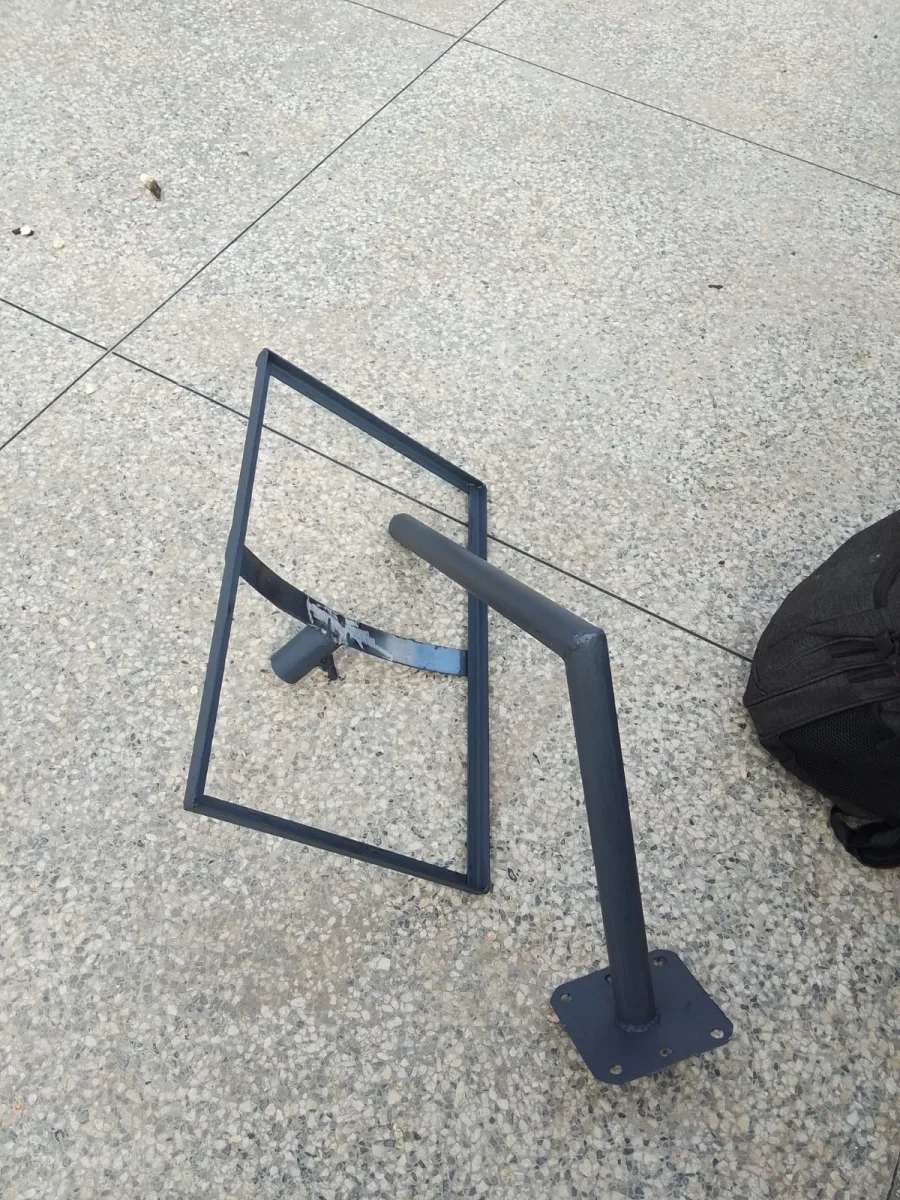
A pole system includes more than the visible pipe. It includes the terminal adapter, pole diameter and wall thickness, support brackets or foundation, corrosion protection, fasteners, bracing where necessary, cable support and safe access. Each connection in that chain affects stability. The installer should know what is supplied by the customer, what SpaceKits supplies and what another specialist must provide.
Pole diameter and adapter compatibility
The interface must match the exact Starlink hardware. Official support material states that mounts are specific to different kit families. For example, current Mini documentation describes its included pipe adapter for a defined range of pole sizes; that does not make the adapter universal for other Starlink terminals. Customers should not purchase a random online adapter based only on the Starlink name.
Send photographs and measurements before the appointment. For an existing pole, include the outside diameter, material, visible wall thickness if known, total height, unsupported section and photographs of the base and brackets. SpaceKits may still need to inspect it physically before accepting it as a support.
Wall-attached poles
Two or more properly spaced brackets can restrain a short pole against a suitable wall, but the wall and fasteners carry the resulting force. Brackets placed very close together provide less resistance to leverage than well-considered spacing. The pole should not interfere with roof drainage or place the terminal directly in the path of falling water.
A long unsupported top section behaves like a lever. Raising it until it clears every distant tree can create a weaker installation. If height becomes significant, a separate mast design or another site may be safer. The quotation will identify whether ordinary installation hardware is sufficient.
Ground poles and compound installations
A ground pole can move the terminal away from a fragile building and offer maintenance access. It must be placed where vehicles, children, livestock and landscaping will not damage it. The ground support or foundation must reflect soil conditions, pole height and exposure. Civil work beyond a minor agreed base can be quoted separately or handled by a suitable contractor.
The cable route from a detached pole needs protection. A loose cable across soil is vulnerable to slashers, vehicles, animals, water and UV exposure. Underground containment must be planned for drainage, depth, future identification and separation from power or other services. SpaceKits does not excavate blindly where utilities may be present.
Existing TV aerial and communication masts
An existing mast is not automatically suitable. It may be corroded, lightly bracketed, overloaded or positioned in an obstructed area. Adding another device changes wind load and maintenance requirements. SpaceKits can inspect accessible supports, but complex towers or shared communication infrastructure may require the owner’s engineer or specialist rigging provider.
Wind, movement and vibration
Movement can affect the cable and long-term reliability even when the terminal remains connected. Poles should not visibly sway under ordinary conditions. Loose bracket bolts, flexible sheet mounting and makeshift extensions should be corrected rather than hidden. Exposed coastal, escarpment, highland and open-field sites deserve particular attention to materials and support.
Why exact hardware identification matters before buying a mount
Starlink has released multiple terminals and accessory systems. They differ in shape, movement, power, cable connection and mount interface. A listing titled “Starlink pole adapter” may fit only one generation. Even genuine accessories can be model-specific. For this reason, SpaceKits asks for box labels, terminal photographs, connector ends and any existing adapter before confirming the mounting plan.
Do not cut, force, drill or glue the terminal interface to make an incompatible bracket fit. Modification can damage the equipment, prevent safe removal and affect manufacturer support. If the customer has the wrong accessory, it is usually better to pause and obtain a compatible item than to make permanent changes to expensive hardware.
New kits
Keep packaging and documentation until the equipment is tested. Lay out the terminal, router or integrated unit, power supply, cable, kickstand and accessories for one photograph. Confirm that any ordered wall mount, pipe adapter or longer cable belongs to the same kit family. The account owner should complete official order and activation steps; SpaceKits should not take possession of private credentials.
Used and transferred kits
Physical mounting cannot resolve an account-transfer problem. A used terminal can look complete while remaining associated with a previous owner or having damaged connectors. Confirm transfer and account recognition before paying for complex mounting where possible. SpaceKits can test physical connections and identify visible faults but cannot unlock equipment or override the platform.
Starlink Mini
Mini has an integrated form factor and its own mounting accessories. Its included setup options do not remove the need for a clear sky view and secure installation where used long term. Customers planning a Mini pole installation can also read the dedicated Starlink Mini mounting guide. The correct adapter, power arrangement and use case should be confirmed before mounting.
Do not infer compatibility from appearance
Two adapters may look similar in a small online photograph but differ in diameter, locking method and cable clearance. Ask the seller for an exact model reference. If that cannot be provided, send the listing to SpaceKits before ordering, but understand that a remote photo is not a guarantee of fit. Final compatibility may be confirmed only when the physical items are inspected.
Wall and pole installation considerations across Kenya
Dense Nairobi neighbourhoods
In Nairobi, wall mounting may compete with adjacent apartment blocks, mature trees and rooftop structures. A pole can raise the terminal above a parapet, but it cannot make a neighbouring tower disappear. Building approval, parking, caretaker access and cable routes through shared spaces must be arranged. Customers with their own kits can use the Starlink installation-only Nairobi guide for the broader booking checklist.
Coastal humidity and salt exposure
External metal near the coast can corrode faster. Material choice, protective finish and inspection matter. Stainless or otherwise suitable corrosion-resistant components may be considered where compatible, but the entire system matters: mixing materials can still create problems. The customer should plan periodic visual checks and address rust before it weakens brackets or fasteners.
Highlands, escarpments and open plains
Elevated or exposed properties can experience strong gusts. Long, thin poles are especially vulnerable. A lower well-positioned bracket may outperform a tall flexible pole. SpaceKits assesses visible exposure and may recommend additional support or specialist input. No ordinary quotation can guarantee survival in every extreme storm.
Tree growth in rural and suburban compounds
A clear view today may change when trees leaf out or grow. Mount position should consider likely seasonal and future obstructions. Pruning is the property owner’s responsibility and should be performed safely and legally. Raising the terminal indefinitely is not always the answer; relocating to another building side or separate support may be more maintainable.
Power quality and backup needs
A solid pole does not protect against unstable power. Customers in areas with outages can request a separately designed backup solution for the Starlink and local network equipment. Device power requirements vary by model, and runtime claims should be calculated from actual load and battery capacity rather than guessed. Electrical work outside plug-in equipment should be completed by a qualified professional.
Security and accidental damage
A low compound pole may be easy to maintain but also easy to tamper with. A wall mount above reach can reduce casual interference. The cable should not be exposed where it can be pulled, cut or crushed. Security decisions should not make routine maintenance impossible or encourage unsafe climbing.
Cable routing from a wall or pole to the router
Mounting is only half the installation. The cable must reach the indoor equipment without excessive tension, sharp bends, unsupported weight or an incompatible joint. Official troubleshooting guidance recommends checking for kinks, damage and weather exposure and generally using official compatible cables. SpaceKits plans the route before finalising the terminal position.
From a wall bracket
The cable can often descend along the same elevation to a controlled entry. It should be clipped or contained without being crushed. A service allowance near the terminal supports removal and maintenance, while a drip-aware entry helps keep water outside. The route should avoid gutters, doors, windows, hot surfaces and sharp roof edges.
From a building-attached pole
The cable should be supported along the pole and transition smoothly to the wall. It must not hang from the terminal connector. If the pole can move, enough controlled allowance is needed without creating a flapping loop. Cable ties exposed to sun are not automatically a permanent containment system; material and expected life matter.
From a detached ground pole
The route may need appropriate underground or protected surface containment. The client should identify known water, power, drainage and communication services before excavation. A route through a driveway, farm path or landscaped area needs more protection than one along a secure wall. Extensive trenching is quoted separately.
Indoor placement and Wi-Fi
The entry point should not dictate a poor router location without discussion. Thick walls, reinforced slabs and metal structures can limit coverage. Mesh Wi-Fi, Ethernet or access points may be needed for multi-room, multi-floor or multi-building sites. Those additions are separate from the wall or pole mount and should be measured against the actual coverage requirement.
The SpaceKits wall and pole mounting process
- Send site evidence. Share a map pin, county or town, property type, kit model, full equipment photo and wide images of candidate walls, poles and the surrounding sky.
- State the outcome. Explain whether you need basic Wi-Fi, several rooms, a business network, CCTV connectivity or service to another building.
- Remote compatibility review. SpaceKits identifies obvious hardware, adapter, cable and access questions.
- Survey where required. Existing tall poles, weak walls, high buildings and commercial sites may need physical inspection before a final quote.
- Choose the mounting method. The proposed wall or pole, height, support, cable path and indoor position are documented.
- Approve the quote. Labour, mount, pole, adapter, containment, travel, access equipment and network extras are itemised.
- Prepare access. The customer confirms landlord or facility permission, clears the work area and ensures the account owner is available.
- Install and route. The team fits the agreed hardware, secures the terminal and completes the cable route and entry.
- Connect and test. The customer controls the official account while SpaceKits checks status, obstruction information and agreed network points.
- Handover. The customer sees what was installed, what remains outside scope and how to request workmanship support.
Customers comparing a rooftop solution should review Starlink roof mount installation in Kenya. The final choice can be made after comparing structure, obstructions, route, safety and maintenance rather than buying a bracket first.
What is included, what is separate and what affects the quote
An agreed service may include obstruction review, confirmation of an installation point, fitting a compatible customer-supplied or separately quoted wall/pole system, terminal installation, cable support and protection, a finished agreed entry, indoor equipment placement, basic setup assistance and testing. Only the items listed in the quotation are included.
Potential separate items include the Starlink kit and subscription, mount or pole, fabrication, concrete base, specialist tower work, extended cable, trenching, trunking, mesh Wi-Fi, access points, Ethernet, backup power, high-access equipment, structural engineering, roof or wall repair and travel beyond the quoted area. Electrical alterations are also separate and may require a qualified electrician.
Quotation factors
- Location, travel, parking and site-access rules.
- Building height, wall material and condition.
- Pole length, diameter, material and support method.
- Exposure to wind, salt air and accidental impact.
- Terminal model and adapter availability.
- Cable distance, protection and building-entry finish.
- Need for ladders, additional crew or specialist access.
- Indoor Wi-Fi, wired network or backup-power requirements.
SpaceKits does not invent one fixed national fee before seeing the property. A simple short wall bracket on accessible sound masonry differs from a fabricated ground pole, high apartment elevation or exposed commercial site. For broader budget guidance, read Starlink installation cost in Kenya.
Limits and honest expectations
Installation cannot guarantee account activation, subscription availability, official platform support, a fixed internet speed or performance in every room. A mount cannot correct a damaged terminal or locked used kit. SpaceKits cannot override billing, transfer, warranty or service-area decisions. Unsafe work, unknown structures and suspected asbestos can be declined or referred.
Internet interruptions may come from obstructions, weather, network conditions, account status, damaged equipment, cable problems, power or local Wi-Fi. The handover separates what was physically installed from what depends on the provider’s network or the customer’s internal devices.
Wall and pole mount acceptance checklist
Before the installer leaves, stand at a safe viewing point and compare the completed work with the agreed scope. The bracket or pole should be in the approved location, the terminal should sit in its intended orientation and the support should not show uncontrolled movement. Confirm that the installation does not obstruct doors, windows, gutters, walkways, tank access or another maintenance route.
Follow the visible cable route. It should not hang from the terminal connector, scrape against a sharp edge, cross a vehicle path unprotected or enter the wall through an unfinished opening. Ask where any concealed section runs and photograph the route before painting or landscaping hides it. For a detached pole, confirm that the containment and warning or identification arrangements match the quote.
Use the customer’s official application to review online status and available obstruction information. Test the agreed rooms or work points. If only the terminal installation was purchased, record any weak Wi-Fi zone as a separate network requirement instead of treating it as defective mounting. If mesh or access points were included, verify those devices and their power supplies.
Finally, retain the mount specification, installer invoice, kit model, photographs and any limitation. Note whether the pole is customer-supplied and whether a specialist fabricated or approved part of the support. This record helps after wind, roof work, exterior painting or relocation. SpaceKits handles questions about its workmanship; the account owner uses official support for plan, billing or proprietary hardware decisions.
Book a wall or pole mount assessment
Send one clear message rather than only asking for the cheapest mount. Include your county, town or estate, map pin, building type, number of floors, kit model, photos of all connectors, wide wall or compound images, any existing pole measurements and the preferred router room. If you are a tenant, confirm whether exterior work has been approved.
SpaceKits will explain whether photographs are enough for a conditional quote or whether an on-site survey is needed. You will receive a practical scope that distinguishes installation labour, mounting materials, cable containment and optional network work.
Frequently asked questions about Starlink wall and pole mounts
1. Is a wall mount better than a roof mount?
Not automatically. A wall mount can reduce roof disturbance and simplify access, but it must provide a suitable sky view and attach to sound structure. SpaceKits compares obstruction, structure, cable route and maintenance before recommending it.
2. How tall should a Starlink pole be?
Only as tall as needed to achieve a suitable field of view while remaining structurally supportable and maintainable. Height increases leverage and wind movement. Tall masts may need specialist design, bracing or another location.
3. Can I use an existing TV aerial pole?
Possibly, after inspection of its diameter, material, corrosion, brackets, base, current loading and sky view. Do not assume an old aerial mast can safely accept another device.
4. Are Starlink pole adapters universal?
No. Starlink mounts and adapters can be specific to hardware families. Send exact kit and connector photos before purchasing. An adapter that fits one terminal may not safely fit another.
5. Can you mount Starlink directly against a vertical wall?
The terminal should be installed in the intended operating orientation using a compatible mount. A suitable wall bracket can hold it away from the wall and roof edge; attaching the terminal flat against a wall is not a substitute for the correct system.
6. Can SpaceKits fabricate a pole?
Fabrication may be separately assessed or coordinated depending on the required height, material, support and site. Simple and complex poles are not priced the same. Towers and unusual supports may require a specialist.
7. How is the cable protected on a pole?
The cable should be supported without tension at the terminal, protected from sharp edges and routed safely to the building. Detached poles may require appropriate underground or surface containment quoted separately.
8. Can a landlord refuse an exterior wall installation?
Yes. The property owner or authorised manager controls alterations to the building. Tenants should obtain approval for the bracket position, cable route, common-area access and eventual removal before booking.
9. Does a taller pole always improve Starlink?
No. It may clear a nearby obstruction, but it can add movement, wind load, cable distance and maintenance difficulty. Another side of the property or a lower clear position may be better.
10. Can you install a customer-owned mount?
Yes if it is compatible, complete and suitable for the structure and exposure. SpaceKits may decline an undersized, damaged or mismatched bracket and propose an alternative.
11. Is Wi-Fi extension included with pole installation?
Only when stated in the written scope. Mounting the terminal and distributing Wi-Fi across a large property are different tasks. Mesh, access points or wired links are quoted according to coverage needs.
12. What details are needed for a quotation?
Send the location pin, property type, kit model, equipment photos, proposed wall or pole images, existing pole measurements, floor count, cable destination, access restrictions and required Wi-Fi areas. Do not send account passwords.
Need Starlink Installation or Network Optimization?
We help homes, offices, apartments, and businesses with Starlink installation, WiFi coverage improvement, and professional setup in Kenya.
Request Installation Chat on WhatsApp