
Need Starlink Installation or Network Optimization?
We help homes, offices, apartments, and businesses with Starlink installation, WiFi coverage improvement, and professional setup in Kenya.
Request Installation Chat on WhatsAppTalk to Spacekits
Need Starlink help for your home or business?
Talk to Spacekits before you buy or book installation. We help with kit supply, mounting, activation, router placement, WiFi coverage, and written quotes.

Finding reliable internet in a rural or remote part of Kenya can be difficult when fibre infrastructure, fixed wireless services, or mobile network coverage is limited. Starlink for remote areas no network Kenya provides an alternative approach by using satellite connectivity instead of relying exclusively on terrestrial telecommunications infrastructure.
This makes satellite internet particularly relevant for farms, ranches, lodges, schools, clinics, construction camps, field offices, rural homes, tourism facilities, research stations, and other locations where conventional internet options may be unavailable or unreliable.
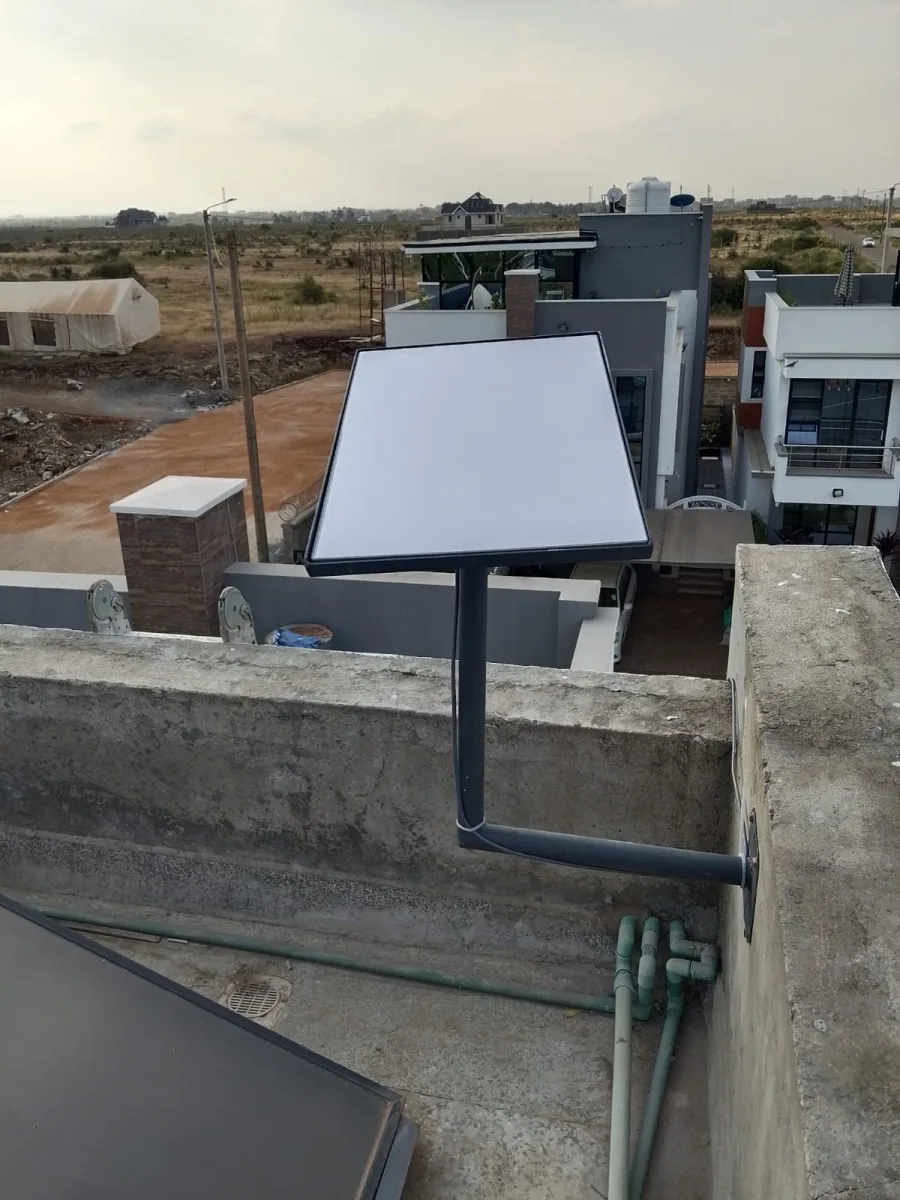
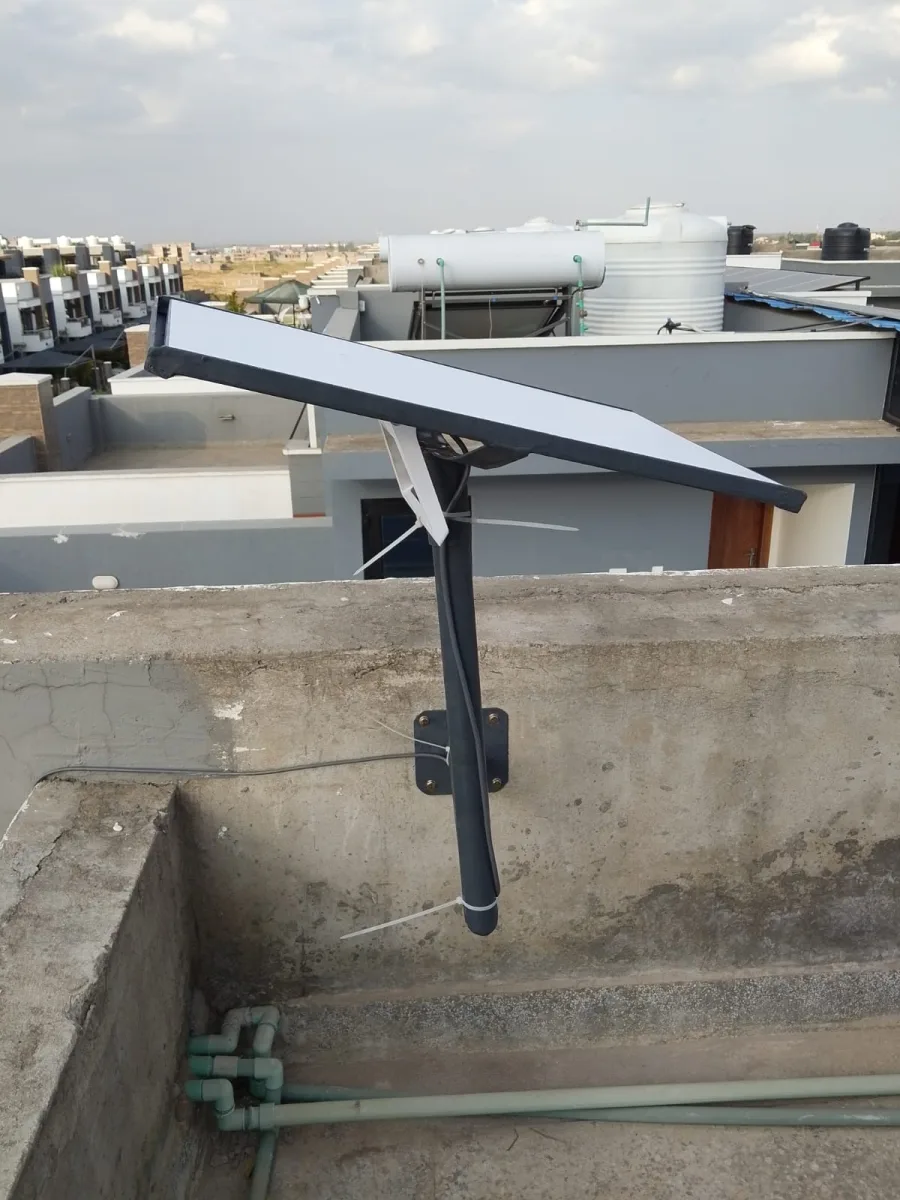
Spacekits provides installation support for homes, offices, lodges, schools, farms, and remote sites across Kenya. Its installation process includes site assessment, mounting, cable routing, activation, testing, and Wi-Fi optimization.
For someone living or working in an underserved location, the most important question is not simply whether an internet service exists. The question is whether the available connection can support the activities that depend on it.
Starlink for remote areas no network Kenya – Why Remote Connectivity Matters
Internet access has become an important part of modern life.
A remote household may need connectivity for online education, communication, entertainment, banking, employment, government services, and healthcare information. A rural business may need it for payments, accounting, marketing, customer communication, inventory, and cloud applications.
Farmers can use internet access to communicate with buyers, access weather information, manage records, research agricultural practices, and coordinate transportation.
Lodges and tourism businesses may need connectivity for reservations, digital payments, guest communication, marketing, and staff operations.
Schools increasingly need connectivity for digital learning, administration, online research, and communication.
When conventional infrastructure does not reach a particular location, satellite connectivity can provide another option to investigate.
Starlink for remote areas no network Kenya – How Satellite Internet Changes Remote Connectivity
Traditional broadband services often depend on infrastructure such as fibre cables, telephone lines, microwave links, or nearby wireless towers.
Satellite internet approaches the problem differently.
The user equipment communicates with satellites, allowing internet access to be delivered without requiring a fibre cable to run directly to the property.
This can be especially useful in geographically isolated areas.
However, satellite internet still requires appropriate installation conditions. The equipment needs suitable sky visibility, power, mounting, and a properly configured network.
Spacekits specifically identifies remote sites as one of its installation use cases and provides site-survey, mounting, routing, activation, and testing services.
Starlink for remote areas no network Kenya – Rural Homes and Family Connectivity
Families living outside major towns increasingly depend on the internet for activities that were previously handled offline.
Children may need internet access for school assignments and educational resources. Adults may work remotely, run online businesses, communicate with relatives, or access financial services.
A rural home may have several devices connected simultaneously, including phones, laptops, televisions, tablets, security cameras, and other smart equipment.
The installation therefore needs to consider more than simply bringing internet into the building.
The router should be placed where it can provide useful coverage, while larger homes may require additional networking equipment.
For households running delivery or other digital services, Dexa provides another Kenyan technology resource that can complement a broader digital setup.
Starlink for remote areas no network Kenya – Connectivity for Transport and Field Teams
Remote transport operations often depend on communication.
Drivers may need to communicate with dispatch teams, receive updates, coordinate deliveries, or access digital services.
A rural depot or field office can benefit from internet access where conventional broadband is unavailable.
Connectivity can support communication between drivers and office staff, digital recordkeeping, scheduling, customer communication, and online business systems.
Companies that need professional drivers can also explore Dereva for driver-related services.
Starlink for remote areas no network Kenya – Internet for Farms and Ranches
Agricultural properties can be located far from urban centres and established telecommunications infrastructure.
A farm may have large distances between buildings, staff housing, offices, storage facilities, and production areas.
Internet access can support farm administration, communication with suppliers, agricultural research, digital records, accounting, monitoring systems, and online markets.
A satellite connection can provide the primary internet source, after which the farm can distribute connectivity through Wi-Fi or wired networking.
For agricultural technology and farm management solutions, Fama is another useful Kenyan digital resource.
Starlink for remote areas no network Kenya – Internet for Remote Farms
Remote farms have some of the strongest practical reasons to investigate satellite connectivity.
A farm may be located several kilometres away from the nearest town or telecommunications tower. Installing fibre may be expensive or impossible, while mobile coverage may be weak.
A properly installed satellite system can provide a connectivity option without waiting for terrestrial infrastructure to reach the property.
Spacekits currently lists farms and remote sites among the environments it supports and advises site-specific assessment of sky visibility, mounting, power, and network requirements.
Starlink for remote areas no network Kenya – Internet for Rural Businesses
Rural businesses are increasingly becoming digital.
A shop may use electronic payment systems. A hotel may rely on online reservations. A farmer may communicate with buyers through messaging platforms. A contractor may use cloud applications to manage projects.
Without internet access, these businesses may lose opportunities.
Satellite connectivity can help bridge the gap between remote businesses and the digital economy.
The important consideration is to select a network setup that matches the business’s actual usage.
A small office may need basic connectivity, while a larger operation may require multiple access points, wired connections, backup power, and network segmentation.
Starlink for remote areas no network Kenya – Connectivity for Remote Offices
Remote offices are common in construction, agriculture, conservation, tourism, logistics, research, and development projects.
These offices may be established temporarily or permanently in locations where traditional broadband services are not readily available.
Employees may need to access email, cloud storage, project-management platforms, video conferencing, accounting systems, and communication applications.
Satellite connectivity can provide the internet link while a properly configured local network distributes access throughout the office.
For larger offices, the installation should account for the number of users and devices expected to connect.
Starlink for remote areas no network Kenya – Supporting Remote Work
Remote work has changed expectations around internet availability.
A professional living in a rural area may be able to work for an organization located in Nairobi, Mombasa, Kisumu, or even outside Kenya.
However, remote employment requires practical connectivity.
Workers may participate in video calls, upload documents, access company systems, communicate through messaging platforms, and use cloud applications.
Satellite connectivity can make these activities more accessible in areas without conventional broadband.
The quality of the overall experience will depend on factors such as the satellite service, installation environment, Wi-Fi configuration, device performance, and network usage.
Starlink for remote areas no network Kenya – Supporting Digital Agriculture
Agriculture is one of the sectors that can benefit significantly from improved rural connectivity.
Farmers can use online tools to monitor markets, communicate with buyers, maintain records, access educational resources, and manage business operations.
Large farms may also have offices that need internet access for administration.
A farm-management platform such as Fama can be used alongside suitable internet infrastructure to support digital agricultural workflows.
Connectivity can therefore become part of a wider agricultural modernization strategy.
Starlink for remote areas no network Kenya – Connectivity for Rural Property Management
Property managers operating rural accommodation, lodges, holiday homes, rental compounds, or remote developments may need internet connectivity for daily administration.
They may communicate with tenants, manage bookings, coordinate maintenance, process payments, and monitor property operations remotely.
Satellite internet can support these activities where other options are limited.
For rental and property management technology, RentalDesk can be explored alongside the connectivity infrastructure.
Starlink for remote areas no network Kenya – Creating Wi-Fi Zones in Remote Locations
A remote property may have one internet connection but several areas that require access.
A lodge, school, farm, or business compound may need Wi-Fi in offices, guest areas, staff rooms, classrooms, reception areas, or outdoor spaces.
The satellite system acts as the internet source, while routers and access points distribute the connection.
Businesses that want to manage customer access or monetize Wi-Fi can explore Pawa for Wi-Fi management solutions.
This can be particularly relevant to rural accommodation facilities and businesses that provide internet access as part of their services.
Starlink for remote areas no network Kenya – Internet for Lodges and Tourism Properties
Tourism properties are frequently located in remote or scenic areas.
Lodges, camps, eco-resorts, and rural accommodation facilities may struggle to obtain conventional broadband because of their distance from urban infrastructure.
Yet guests increasingly expect internet access.
Connectivity can support:
- Online bookings
- Digital payments
- Guest communication
- Staff communication
- Online marketing
- Reservation management
- Emergency communication
- Business administration
A professionally installed satellite system can form part of a lodge’s technology infrastructure.
Starlink for remote areas no network Kenya – Supporting Rural Schools
Schools outside major towns can face connectivity challenges.
Teachers may need online educational resources, while administrators may use digital systems for communication and records.
Students can benefit from access to online learning materials, educational videos, digital libraries, and research resources.
Satellite connectivity can provide an option where terrestrial internet infrastructure is limited.
The network should be designed around expected student usage because a school with dozens or hundreds of connected devices has different requirements from a rural home.
Starlink for remote areas no network Kenya – Connecting Rural Entrepreneurs
Digital entrepreneurship does not have to be limited to major cities.
A rural entrepreneur can operate an online shop, freelance business, consultancy, digital agency, agricultural business, tourism company, or service business from outside a major urban centre.
Internet connectivity can make it possible to communicate with customers and manage digital operations.
Website development and digital marketing can then help rural businesses reach customers beyond their immediate geographical area.
Businesses needing website-related support can explore Kenya Website Experts.
Starlink for remote areas no network Kenya – What You Need Before Installation
A successful remote installation begins with preparation.
Customers should establish:
- The exact installation location.
- The intended use of the internet.
- The number of users.
- The number of connected devices.
- The location of the main building.
- The available power source.
- The preferred router location.
- The required Wi-Fi coverage.
- Whether additional access points are needed.
- Whether backup power is necessary.
Spacekits recommends providing location, roof type, kit status, and preferred installation date when requesting installation support.
This information allows the installer to understand the project before arriving on site.
Starlink for remote areas no network Kenya – Clear Sky Visibility
Satellite connectivity requires appropriate sky visibility.
Trees, buildings, hills, walls, and other structures can interfere with the connection if they obstruct the relevant view of the sky.
This is particularly important in remote areas because some properties are surrounded by vegetation, hills, or large structures.
A site survey can help identify the most suitable installation position.
Spacekits’ installation process includes an obstruction assessment and mount-point review.
Starlink for remote areas no network Kenya – Choosing the Right Mount
The mounting method depends on the property.
Possible considerations include:
- Roof mounting
- Wall mounting
- Pole mounting
- Parapet mounting
- Other suitable mounting arrangements
The chosen mount should be secure and positioned appropriately.
Remote sites may experience strong winds or difficult weather conditions, making proper mounting particularly important.
The installer should also consider how accessible the equipment will be for future inspection or maintenance.
Starlink for remote areas no network Kenya – Cable Routing in Remote Properties
Cable routing is an important part of installation quality.
The cable needs to travel from the external equipment to the internal networking equipment.
Poorly planned routing can create unnecessary exposure to physical damage or make the installation look untidy.
Spacekits specifically includes cable routing in its installation workflow and highlights cleaner finishing as part of its premium installation approach.
For remote properties, protecting the cable is particularly important because repairs may be more difficult if the site is far from service centres.
Starlink for remote areas no network Kenya – Power Planning for Rural Sites
Internet equipment requires a dependable power source.
Remote properties may experience power interruptions or may not have access to a stable electricity grid.
Before installation, users should determine how the system will receive power.
Depending on the site, backup power could include batteries, solar systems, generators, or other suitable arrangements.
Spacekits includes advice on backup power and networking within its business and multi-site setup offering.
Power planning can be especially important for farms, clinics, schools, lodges, and field offices.
Starlink for remote areas no network Kenya – Solar-Powered Remote Connectivity
Solar energy can be relevant for remote sites where grid electricity is unavailable or unreliable.
A solar installation can provide power to networking equipment when properly sized and configured.
However, users should calculate their expected energy requirements rather than assuming a small solar system will automatically support all equipment.
The satellite equipment, router, access points, computers, security systems, and other devices may all contribute to overall energy demand.
Connectivity planning should therefore consider both internet requirements and power requirements.
Starlink for remote areas no network Kenya – Wi-Fi Coverage Across Large Compounds
Remote properties are often larger than urban homes.
A farm, ranch, lodge, or school can have multiple buildings spread across a large compound.
One router may not provide sufficient coverage across the entire property.
Additional access points can be connected to the primary network to extend coverage.
For large compounds, the installer should consider where users actually need internet access and whether wired connections between access points would be more appropriate.
Starlink for remote areas no network Kenya – Internet for Emergency Communication
Communication can become particularly important in isolated locations.
A remote property may be far from urban services, making communication with suppliers, family members, emergency contacts, or support teams important.
Internet connectivity can support messaging, online communication, and other digital services.
However, users should not treat internet access as a guaranteed emergency communications system. They should maintain appropriate backup communication methods based on the site’s location and risk profile.
Starlink for remote areas no network Kenya – Supporting Farm Offices
Farm offices may need connectivity for administrative work.
Managers can use online accounting tools, digital farm records, email, cloud storage, supplier communication, and agricultural management systems.
A satellite connection can bring internet access to the farm office without requiring fibre infrastructure to be extended to the property.
For agricultural businesses, Fama can be considered when evaluating digital farm-management requirements.
Starlink for remote areas no network Kenya – Rural Rentals and Holiday Homes
Remote holiday homes and rental properties can benefit from internet connectivity.
Guests may need internet for communication, entertainment, work, navigation, online bookings, and digital payments.
Property owners can also use connectivity for remote monitoring and administration.
A satellite connection can be particularly useful where conventional broadband is unavailable.
Property owners can combine the internet infrastructure with rental management tools such as RentalDesk.
Starlink for remote areas no network Kenya – Paid Wi-Fi for Remote Hospitality Businesses
Lodges, camps, restaurants, and other hospitality businesses may decide to offer paid or controlled internet access.
In such situations, the business needs to manage user access carefully.
A Wi-Fi management platform can help with authentication, packages, access control, and payment-related workflows.
The satellite connection provides the upstream internet service, while the Wi-Fi management system determines how users interact with the service.
Businesses interested in this model can explore Pawa.
Starlink for remote areas no network Kenya – Connectivity for Construction Sites
Construction projects frequently operate in areas where permanent infrastructure has not yet been established.
Project teams may need internet access for communication, document sharing, project-management systems, procurement, reporting, and coordination.
A portable or appropriately installed satellite connectivity solution can be useful during project operations.
The installation should consider the project’s duration, power availability, equipment security, and expected number of users.
Starlink for remote areas no network Kenya – Connectivity for NGOs and Field Projects
Non-governmental organizations and development projects often operate in underserved locations.
Field teams may need to communicate with headquarters, submit reports, access databases, participate in online meetings, and coordinate logistics.
Internet access can improve the speed of communication between field offices and central teams.
A satellite connection can be considered where local broadband options are limited.
For multi-site projects, the organization should plan standardized installation, support, power, and security procedures.
Starlink for remote areas no network Kenya – Enabling Rural Digital Services
Internet connectivity allows rural businesses to participate more fully in the digital economy.
A small enterprise can maintain a website, respond to enquiries, accept digital payments, advertise online, and communicate with customers beyond its local area.
This can help reduce the geographical limitations that traditionally affected rural businesses.
Connectivity alone does not guarantee business growth, but it provides the infrastructure needed to access digital opportunities.
Starlink for remote areas no network Kenya – Remote Connectivity for Clinics
Healthcare facilities in underserved areas can also benefit from better connectivity.
A clinic may need internet access for communication, digital records, administrative systems, online research, supply coordination, and telehealth-related services where appropriate.
Remote connectivity can help facilities maintain communication with larger hospitals, suppliers, administrators, or support organizations.
However, healthcare organizations should apply appropriate privacy and security controls when transmitting sensitive information.
Starlink for remote areas no network Kenya – Connectivity for Research Stations
Research teams may establish temporary stations far from towns.
These sites can require internet access for data transmission, communication, reporting, collaboration, and remote technical support.
Satellite connectivity can provide an option when terrestrial infrastructure is unavailable.
The installation should be designed for the project’s expected duration and environmental conditions.
Temporary installations should also include a clear plan for equipment security and eventual relocation or removal.
Starlink for remote areas no network Kenya – Internet for Logistics Depots
Remote logistics depots need communication with drivers, suppliers, customers, and headquarters.
Internet connectivity can support dispatch systems, tracking platforms, online documentation, email, and digital payments.
Satellite connectivity can provide an alternative where fibre or fixed wireless services are not available.
For logistics businesses, Dexa can provide additional technology resources relevant to delivery and logistics operations.
Starlink for remote areas no network Kenya – Supporting Driver Communication
Drivers operating in remote areas may work from depots or field offices where connectivity is limited.
Internet access at the office can help dispatchers communicate with drivers and manage digital records.
Drivers themselves may still encounter areas without mobile coverage while travelling, so businesses should not assume that an internet connection at the base automatically provides connectivity everywhere along a route.
Transport companies should therefore consider route-specific communication requirements separately.
Starlink for remote areas no network Kenya – Internet for Rural Retail
Rural shops are increasingly using digital payments and online ordering.
A reliable internet connection can support payment terminals, inventory management, supplier communication, online marketing, and customer engagement.
Satellite connectivity can help bring these digital capabilities to locations where fixed broadband infrastructure is unavailable.
The shop should also have a suitable backup plan for power or connectivity interruptions.
Starlink for remote areas no network Kenya – Why Professional Installation Matters
Remote installations can be more complicated than standard urban setups.
The property may have difficult terrain, long distances between buildings, limited power infrastructure, unusual roof types, or few nearby technicians.
Professional installation helps address these issues before the system is activated.
Spacekits describes its installation workflow as site survey, mounting, cable routing, activation, testing, and Wi-Fi optimization.
This structured approach can help customers understand what is included rather than treating installation as simply placing the dish on a roof.
Starlink for remote areas no network Kenya – Testing After Installation
Testing should take place after the equipment has been installed and activated.
Useful checks can include:
- Starlink application status
- Obstruction checks
- Internet connection
- Speed tests
- Router operation
- Wi-Fi coverage
- Connected devices
- Cable condition
Spacekits states that its handover process can include app checks, speed testing, obstruction assessment, Wi-Fi coverage observations, and practical user guidance.
This helps confirm that the customer understands the system before the installer leaves.
Starlink for remote areas no network Kenya – Planning for Multiple Users
A remote school may have many students.
A lodge may have numerous guests.
A farm may have staff members and security systems.
A rural office may have several employees.
Each situation creates different network demands.
The internet service should therefore be paired with suitable internal networking equipment.
Large user numbers can also make Wi-Fi management important.
Businesses should avoid placing every user and device on an unmanaged network.
Starlink for remote areas no network Kenya – Supporting Online Meetings From Rural Areas
Video meetings can be particularly valuable to remote teams.
A project manager in a rural location can participate in meetings with headquarters without travelling to Nairobi.
A farm manager can communicate with suppliers and buyers.
A lodge manager can coordinate with tourism partners.
An NGO field officer can communicate with project headquarters.
Connectivity can therefore reduce the communication distance between remote operations and urban offices.
Users should still test their specific applications because performance can vary depending on service and network conditions.
Starlink for remote areas no network Kenya – Digital Farm Records From Anywhere
Digital farm records can become more valuable when managers can access them remotely.
Farm information can be reviewed from an office in Nairobi while staff continue operations in the countryside.
Connectivity makes it easier to synchronize information with cloud-based systems.
For agricultural businesses looking for digital farm-management tools, Fama is a relevant platform to investigate.
Starlink for remote areas no network Kenya – Remote Monitoring of Properties
Property owners do not always live near their properties.
Internet connectivity can support remote monitoring systems, smart devices, security cameras, and communication with caretakers.
However, security systems can consume significant bandwidth depending on how they operate.
Property owners should therefore account for these devices when planning their network.
A property-management platform can also help organize administrative operations alongside connectivity.
Starlink for remote areas no network Kenya – Managing Internet Access for Guests
A lodge or rural accommodation business may want to provide different levels of Wi-Fi access.
For example, management may want:
- Free basic access
- Paid premium access
- Staff-only access
- Administrative access
- Guest access
These requirements can be managed through appropriate networking and Wi-Fi software.
The satellite connection supplies the internet, while the management system controls how that service is distributed.
Pawa can be explored for Wi-Fi management and monetization requirements.
Starlink for remote areas no network Kenya – Remote Internet for SMEs
Small and medium-sized enterprises outside major cities can use connectivity to compete in wider markets.
An enterprise can communicate with suppliers across Kenya, market products online, receive digital payments, and maintain a professional website.
The ability to access cloud systems can also reduce dependence on physical paperwork.
Satellite connectivity can therefore become part of a broader SME digitization strategy.
Starlink for remote areas no network Kenya – Connectivity for Community Projects
Community centres and development projects can use internet access to provide digital services to residents.
Possible uses include:
- Digital education
- Online government services
- Job searches
- Training
- Communication
- Research
- Entrepreneurship
Where fixed internet is unavailable, satellite connectivity can be evaluated as an alternative.
Community projects should carefully plan user access and network security when many people share the connection.
Starlink for remote areas no network Kenya – Bringing Rural Businesses Online
A rural business does not need to remain invisible online.
With connectivity, an enterprise can create a website, maintain social media profiles, communicate with customers, manage online listings, and accept digital enquiries.
Internet access can therefore support rural entrepreneurship.
For businesses looking to establish or improve their online presence, Kenya Website Experts provides another technology-related resource.
Starlink for remote areas no network Kenya – Understanding the Cost of a Remote Setup
The cost of a remote satellite internet project can depend on several components.
These may include:
- Starlink hardware
- Mounting equipment
- Installation labour
- Travel
- Cable requirements
- Additional networking equipment
- Access points
- Power backup
- Accessories
- Monthly service fees
Spacekits advises customers to compare the kit, mounting stand, installation, accessories, and monthly service-plan expectations before requesting a location-specific written quotation.
Remote locations may involve additional logistical considerations, so customers should request a quote based on their actual site.
Starlink for remote areas no network Kenya – Comparing Connectivity Options
Before making a decision, users should compare available alternatives.
Depending on location, these might include:
- Fibre
- Fixed wireless
- Mobile broadband
- Microwave connectivity
- Satellite internet
The best choice depends on availability, cost, expected performance, reliability, installation requirements, and business needs.
Satellite internet is particularly interesting when terrestrial options are unavailable or impractical.
Starlink for remote areas no network Kenya – Avoiding Common Installation Mistakes
Several problems can be avoided through proper planning.
Common issues include:
- Installing where obstructions exist
- Poor cable routing
- Weak mounting
- Poor router placement
- Insufficient Wi-Fi coverage
- Ignoring power backup
- Failing to test the connection
- Not considering future expansion
A professional installation process addresses many of these considerations before the system is handed over.
Starlink for remote areas no network Kenya – Building a Scalable Remote Network
A business may begin with only a few users and expand later.
A farm may add buildings.
A lodge may add guest rooms.
A school may add classrooms.
A construction project may grow from a small field office to a larger site.
The network should therefore be designed with future expansion in mind.
Additional access points, switches, structured cabling, or networking equipment can be introduced when necessary.
Starlink for remote areas no network Kenya – Remote Transport Operations
Transport companies operating away from urban centres can use connectivity for administrative coordination.
A connected depot can support driver communication, customer updates, dispatch operations, digital documentation, and online payments.
The company should distinguish between connectivity at its base and connectivity along transport routes.
Where drivers travel through areas without mobile coverage, alternative communication arrangements may still be required.
Starlink for remote areas no network Kenya – Internet for Rural Hospitality
Hotels and lodges located away from cities often need connectivity for both guests and staff.
A good hospitality network should ideally separate guest access from business systems.
This can improve security and allow management to control bandwidth usage.
A satellite connection can serve as the main internet source while access points distribute Wi-Fi around the property.
Starlink for remote areas no network Kenya – Supporting CCTV and Smart Devices
Remote properties may use cameras, access-control systems, sensors, and other connected devices.
These devices can create additional network demand.
Security cameras that upload footage continuously may require considerably more bandwidth than basic browsing devices.
Users should therefore identify which smart devices will operate over the network before installation.
Starlink for remote areas no network Kenya – Network Management for Large Properties
Large properties benefit from organized network management.
Administrators can identify access points, connected devices, usage patterns, and problem areas.
A professionally planned network can also make troubleshooting easier.
This is particularly useful for schools, lodges, farms, and business compounds with multiple buildings.
Starlink for remote areas no network Kenya – The Role of Wi-Fi Optimization
Having internet access does not guarantee that every corner of a building will have strong Wi-Fi.
Router placement matters.
Wall materials matter.
Distance matters.
Interference matters.
The number of devices matters.
Spacekits includes Wi-Fi testing and optimization in its installation workflow.
This can help customers identify coverage gaps before the installation is considered complete.
Starlink for remote areas no network Kenya – Remote Farm Management
Digital farming requires more than software.
It also requires the infrastructure needed to access that software.
A farm manager may have excellent farm-management tools but still struggle if there is no internet connection at the farm office.
Satellite connectivity can help close this infrastructure gap.
Agricultural organizations can then combine connectivity with digital management systems such as Fama.
Starlink for remote areas no network Kenya – Internet for Remote Accommodation
Holiday rentals located outside cities can use internet connectivity as a selling point.
Guests may need Wi-Fi for work, entertainment, communication, navigation, and online services.
Property owners should be transparent about the service and its expected performance.
A properly installed network can make the accommodation more attractive to guests who need connectivity.
Starlink for remote areas no network Kenya – Wi-Fi Monetization for Rural Businesses
A rural business can potentially turn internet access into an additional service.
A lodge could offer premium Wi-Fi.
A restaurant could offer guest packages.
A community centre could provide controlled access.
A shared workspace could sell connectivity as part of its membership.
A Wi-Fi management platform can help automate authentication and access control.
Pawa can be explored by businesses interested in such models.
Starlink for remote areas no network Kenya – Supporting Digital Inclusion
One of the wider benefits of better rural connectivity is digital inclusion.
People living outside major towns can access many of the same online resources available to urban residents.
This includes education, employment opportunities, digital financial services, communication, information, and entrepreneurship.
Internet access does not eliminate every rural development challenge, but it can provide an important digital foundation.
Starlink for remote areas no network Kenya – Rural Education and E-Learning
Teachers and students can benefit from access to online learning platforms.
Schools can use connectivity to access educational videos, digital resources, research materials, teacher-training resources, and communication platforms.
A satellite connection can provide an option for schools outside areas with fibre infrastructure.
Schools should consider network capacity and user-management requirements before connecting large numbers of students.
Starlink for remote areas no network Kenya – Connecting Rural Customers to Online Markets
Farmers and rural businesses can use online platforms to reach customers outside their immediate communities.
Websites, social media, online stores, and digital marketplaces can help expand market reach.
Connectivity provides the infrastructure required to manage these digital channels.
A professional online presence can then help a rural business communicate its products and services to customers across Kenya.
Starlink for remote areas no network Kenya – Nationwide Installation Support
Remote customers may worry that installation services are available only in Nairobi or other major towns.
Spacekits states that it supports installations across all 47 counties in Kenya, including farms, lodges, schools, offices, homes, and remote project locations.
This nationwide approach is particularly useful for organizations operating across several counties.
Customers can provide their location, site type, kit status, and installation requirements when requesting assistance.
Starlink for remote areas no network Kenya – Remote Site Installation Process
The installation process can be organized into several stages.
Starlink for remote areas no network Kenya – Site Survey
The first stage is understanding the site.
This includes considering location, use case, roof access, sky visibility, possible obstructions, power, and preferred router location.
Starlink for remote areas no network Kenya – Mounting
The equipment is mounted using a suitable roof, wall, pole, or other installation approach appropriate to the site.
Starlink for remote areas no network Kenya – Cable Routing
The cable path is planned to connect the external equipment with the internal networking equipment.
Starlink for remote areas no network Kenya – Activation
The system is powered, activated, and checked to confirm that the connection is functioning.
Starlink for remote areas no network Kenya – Wi-Fi Testing
The internal Wi-Fi network is tested to identify coverage or configuration issues.
Spacekits describes this workflow as part of its installation service.
Starlink for remote areas no network Kenya – What Customers Should Request From an Installer
Customers can improve transparency by requesting documentation before and after installation.
Useful information can include:
- Written quotation
- Installation scope
- Hardware details
- Mounting method
- Cable plan
- Testing information
- Support contact
- Payment details
- Warranty information where applicable
Spacekits itself recommends requesting location-specific evidence, installation photos, speed-test proof, and written quotations before committing.
This is a useful practice for customers evaluating any installation provider.
Starlink for remote areas no network Kenya – Final Benefits for Remote Kenyan Users
For people living and working in underserved locations, satellite internet can open access to digital services that may otherwise be difficult to use.
Potential applications include:
- Remote employment
- Online education
- Digital farming
- Rural commerce
- Tourism
- Logistics
- Construction
- Healthcare administration
- Community projects
- Digital entrepreneurship
- Business communication
The value comes from what the user can accomplish with the connection rather than the technology itself.
Starlink for remote areas no network Kenya
Starlink for remote areas no network Kenya can be a practical connectivity option to investigate when traditional internet infrastructure does not adequately serve a location.
Remote farms, ranches, lodges, schools, clinics, construction camps, rural homes, offices, community projects, and businesses can all have legitimate reasons to investigate satellite connectivity.
However, successful connectivity depends on more than purchasing equipment.
The installation location must be assessed for sky visibility. The mounting solution must be appropriate. Cables should be routed carefully. Power requirements should be considered. The router should be positioned strategically. Larger properties may require additional access points. Businesses should also consider security, backup connectivity, and future expansion.
Spacekits’ current service information shows a structured installation process covering site surveys, obstruction checks, mounting, cable routing, activation, testing, and Wi-Fi optimization, with installation support across all 47 counties.
For customers in remote locations, this approach can make the transition from having little or no dependable internet to having a professionally planned connectivity system much easier.
Whether the goal is to connect a rural family home, bring internet to a farm office, provide guest Wi-Fi at a lodge, connect a school, support a field project, or establish connectivity for a remote business, the first step should be a site-specific assessment.
Customers can provide their location, property type, whether they already own a kit, and their preferred installation timeline when requesting a quote from Spacekits. The company currently lists support for remote sites and installations across Kenya.
A well-designed remote internet setup can become an important foundation for communication, education, business, agriculture, tourism, and digital services.
Starlink for remote areas no network Kenya – Start Your Remote Connectivity Project
If your home, farm, office, lodge, school, ranch, construction site, or business is located in an area where conventional internet is unavailable or unreliable, you can explore satellite connectivity with Spacekits.
Spacekits provides installation support involving site assessment, mounting, activation, cable routing, router placement, testing, and Wi-Fi optimization.
You can also explore related Kenyan digital technology resources including Vega, Prim, Dexa, Dereva, Zama, ZamaCore, KayaPro360, Wito, Fama, RentalDesk, Pawa, Zivo, ZES, and Kenya Website Experts.
The key is to begin with the actual site rather than assuming every remote installation is the same. Location, terrain, sky visibility, building design, power availability, number of users, and Wi-Fi coverage requirements all influence the final setup.
For a remote Kenyan property, professional planning can turn satellite connectivity into a practical tool for work, learning, communication, business, agriculture, hospitality, and everyday digital access.
Need Starlink Installation or Network Optimization?
We help homes, offices, apartments, and businesses with Starlink installation, WiFi coverage improvement, and professional setup in Kenya.
Request Installation Chat on WhatsApp