
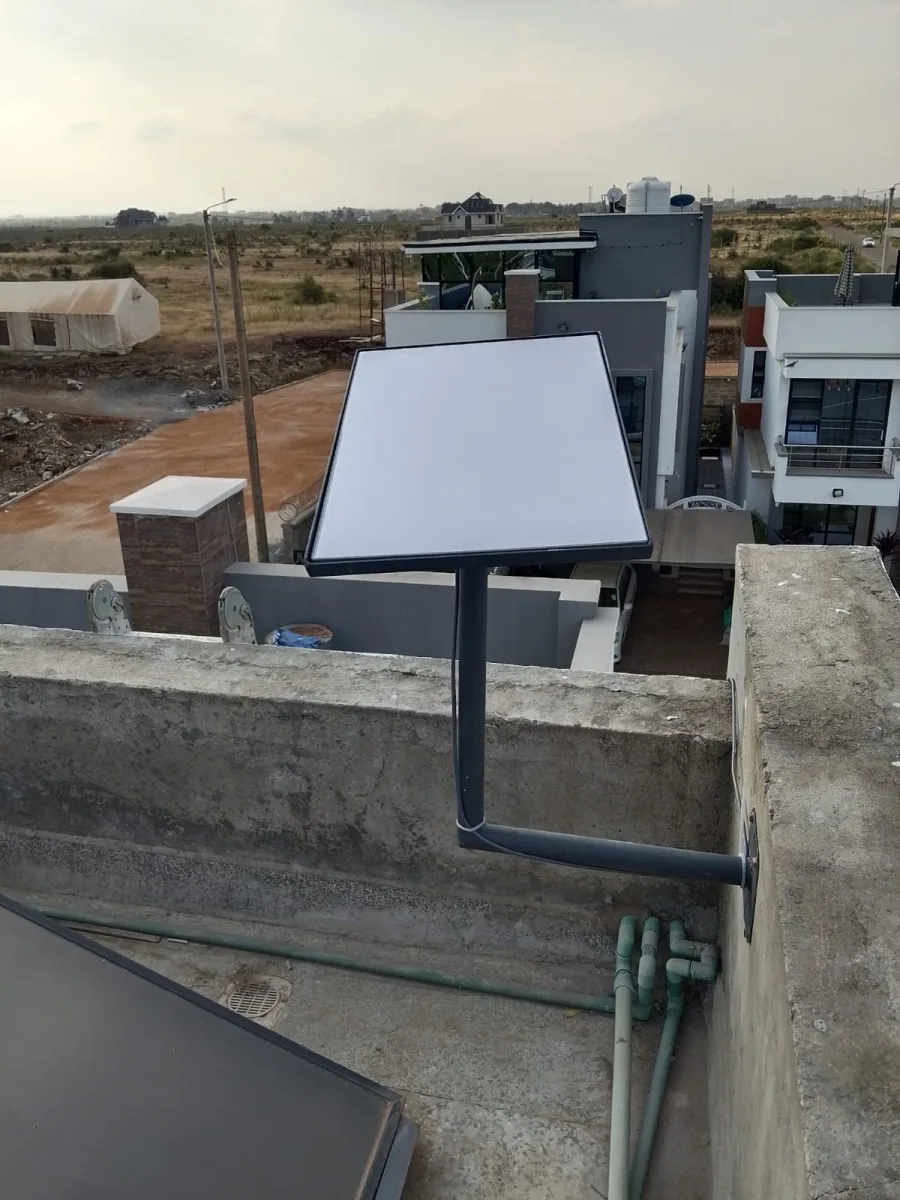
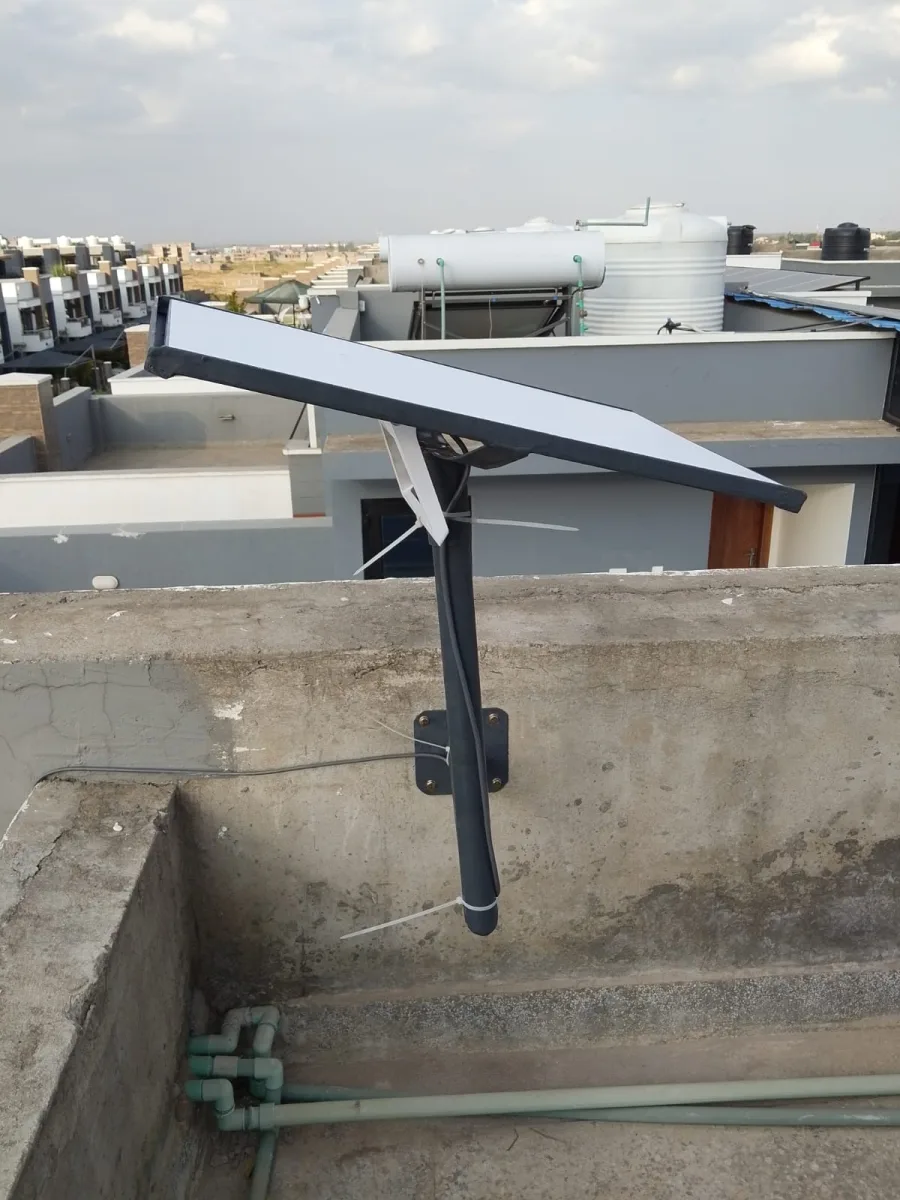
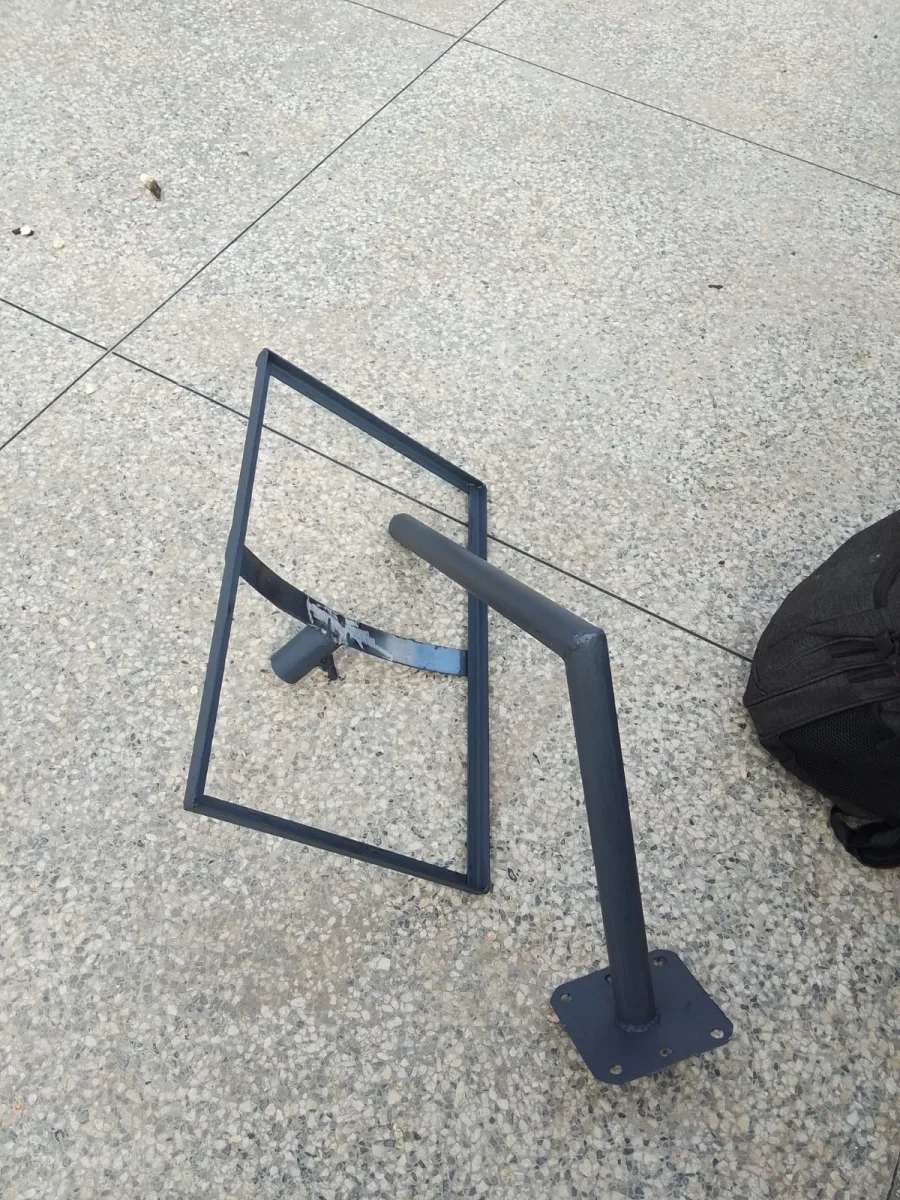
Need Starlink Installation or Network Optimization?
We help homes, offices, apartments, and businesses with Starlink installation, WiFi coverage improvement, and professional setup in Kenya.
Request Installation Chat on WhatsAppTalk to Spacekits
Need Starlink help for your home or business?
Talk to Spacekits before you buy or book installation. We help with kit supply, mounting, activation, router placement, WiFi coverage, and written quotes.
Starlink Kenya packages can refer to two different things: the internet service plan supplied by Starlink and a local package that bundles equipment, installation or support. Comparing them without separating those meanings can lead to an incomplete budget or the wrong setup. Begin with where the connection will be used, what people need to do and which responsibilities each provider is taking on.
This eight-step guide helps households and organizations make a structured selection. It does not promise that every plan is available at every address, and it avoids treating historic prices as current offers. Spacekits is an independent reseller and installation support provider. Call 0725345345 for a written setup quotation and confirm the service terms through the relevant official account or checkout.

Starlink Kenya packages: separate service from installation
1. Ask what the word package includes
Request two clear descriptions: one for the service subscription and one for the local equipment and installation arrangement. The subscription determines the applicable service terms. The installation arrangement describes the kit, accessories, labour, testing and any local support included. One does not automatically define the other.
A local quotation might include hardware and mounting without including monthly service. Another might quote installation only because the customer already owns a kit. Ask for each component to be listed. This prevents a lower headline amount from appearing equivalent to a broader offer when important work remains outside its scope.
Use Spacekits’ package guide to prepare the questions, then request confirmation of the current arrangement. Record who supplies each element and who handles a problem with it. Clear responsibility is especially useful when the equipment seller, installer and service provider are different organizations.
Match Starlink Kenya packages to location and use
2. Verify the address-specific options
Check the actual service location through the official Starlink Residential page. Keep the current offered plan name, charge and relevant conditions with your comparison notes. A plan mentioned in a blog or available to another customer may not be the exact option presented for your own address.
Explain whether the connection serves a home, office, temporary project or another setting. Avoid choosing a plan solely because its name sounds suitable. Ask what the current terms permit and what conditions apply to the intended use. The technical setup and the service arrangement both need to match the situation.
For a shared building, confirm that service eligibility and physical permission have both been addressed. Being able to order a plan does not authorize work on a roof or common wall. Include the property contact and any installation restrictions in the planning record so the selected setup can actually be delivered.
3. Decide whether movement is genuinely required
If the kit will remain at one location, describe that clearly. If it will move between sites, list the intended locations and how often movement occurs. Review the official Starlink Roam information for current eligibility and conditions. Do not infer travel permissions from the size or portability of the equipment.
Separate using a kit after setting it up at a new site from using it while a vehicle is moving. Those are different requirements and may have different equipment and service conditions. Ask the provider to confirm the permitted use explicitly. A portable-looking terminal is not sufficient evidence of in-motion authorization.
Spacekits’ Mini planning page can help frame a portable-use discussion. Explain the work you need to complete at each site, the power available and the people responsible for packing and setup. This makes the hardware decision more practical than choosing only on size or appearance.
Translate usage into selection criteria
4. Describe the busiest period and important tasks
Count the users who are likely to be active at the same time and describe what they do. Several people reading email create a different workload from simultaneous video meetings, large uploads and guest streaming. The total number of registered devices is less informative than the activity occurring during the busiest period.
For a household, identify work calls, online classes and entertainment use that overlap. For a business, mark tasks that must remain usable during busy hours. Keep the description grounded in actual routines. Avoid buying an expensive arrangement based on an imagined future load without explaining whether that growth is likely or important.
A retailer using Vega software might prioritize checkout and reporting tasks. A service business using PRIM may prioritize reception and appointment activity. These examples show why package selection should be based on the tasks people perform, not on a vague promise of “business internet” alone.
Property staff using RentalDesk may need access from several desks, while a group using TAS may connect mainly during scheduled meetings. Map your own pattern before comparing offers. These products are workflow references; their inclusion does not imply a special partnership or a guaranteed experience on a particular plan.
5. Review data and performance conditions carefully
Read the current data policy and any conditions associated with the plan being offered. Ask what happens when an allowance is used or a service condition changes. Record additional charges or restrictions only when they are actually stated in the applicable offer. Do not import the terms of a similarly named plan from another market.
Starlink Kenya packages should be compared using the same questions. What is included? What is conditional? What would trigger a higher bill or a change in experience? Which activities are permitted? If an answer is unclear, ask for clarification before treating the package as suitable for an important business requirement.
Performance should be assessed with realistic expectations. A speed result from another property does not establish the result at your own site. Ask how the installation will be tested and what support is available if the experience is poor. Plan terms, local coverage, device conditions and the wider network can all matter to the user’s experience.
Choose hardware and local coverage as a separate layer
6. Match the kit and network to the site
The hardware decision should consider fixed or portable use, supported power arrangements, placement and the local network design. Ask for the exact model in the quote. Check what is included in the box and what is an additional accessory. A plan comparison cannot resolve a missing mount or an unsuitable indoor coverage arrangement.
Mark the areas that require Wi-Fi. A single room, several floors and separate buildings are different design problems. Use Spacekits’ Wi-Fi extension and mesh service when the issue is distributing the connection around the premises. A change to the internet subscription may not fix a weak local wireless signal.
For teams using custom online systems, Zama’s portal services provide context for identifying the tasks that need connectivity. For assignment-based work, Saseni offers another workflow reference. Test your actual applications from the rooms where staff work rather than assuming that a router beside the terminal demonstrates complete readiness.
Include backup power only after assessing the devices and runtime required. Ask a competent supplier to confirm a compatible arrangement. The local network is useful only while the necessary components are operating, so powering the terminal while leaving an essential access point unpowered may not achieve the intended result.
Starlink Kenya packages: compare costs and responsibilities
7. Build a side-by-side decision record
For each option, record the equipment cost, installation scope, recurring service charge, local coverage additions and support arrangement. Note the quote date and any validity period. Keep unconfirmed items visibly marked so an estimate does not become a supposed commitment through repetition.
Use the same comparison period for every option. For a permanent home or office, a first-year view can reveal the difference between a low initial amount and higher recurring charges. For a temporary project, use the actual schedule and verify any assumptions about pausing or changing service. Do not assume unused months are automatically free.
Add non-price criteria that matter to the decision. These may include account ownership, ability to support the intended location, installation readiness and coverage of critical rooms. A package that cannot satisfy a necessary condition should not win simply because its total is lower.
Ask who handles which problems after installation. Local support may assist with mounting, cabling and Wi-Fi, while an account or subscription issue may require the service provider’s process. Keep both routes clear. Knowing whom to contact is part of choosing a usable arrangement, not an administrative detail to postpone indefinitely.
Validate the selection before wider reliance
8. Agree on acceptance and an early review
Define what the completed setup should demonstrate. A household might test an office video call and ordinary use in two other rooms. A small business might test a checkout task, report access and a meeting during a representative working period. Keep the tasks specific enough that a reviewer can repeat them.
Document where tests occur, which devices are used and any limitation observed. Do not require staff to expose private customer information in screenshots. Use authorized test records or ordinary non-sensitive actions when practical. The acceptance record should demonstrate the connection’s usefulness without creating an unnecessary privacy issue.
Review the setup after normal use begins. An installation visit may not coincide with the busiest period. Ask users to record recurring problems with location and timing so support can investigate the pattern. A useful review distinguishes a local Wi-Fi issue from a service condition or an application-specific problem.
Starlink Kenya packages are easier to evaluate when the selection ends with this evidence. The business or household can then decide whether an adjustment is needed based on observed tasks and constraints rather than buying an upgrade in response to one unexplained slow moment.
Three illustrative package-selection scenarios
Consider a fictional family whose main requirement is evening use at one house. Their comparison should prioritize the address-specific service offer, suitable placement and coverage in the rooms used for work and study. They should not pay for a mobility assumption they do not need simply because a portable kit is being promoted.
Now consider a field team visiting temporary sites. Its first questions concern permitted locations, service conditions, compatible power and repeatable setup. A plan suitable for a permanent home should not be assumed to cover that movement. The team also needs someone responsible for equipment and account administration between trips.
Finally, consider a lodge with staff systems and guest areas. The local network design, peak activity and separation of different user needs deserve careful review. One router working at reception does not establish coverage throughout the property. The selected subscription and installation scope should be assessed together while remaining distinct in the quotation.
These examples are decision exercises, not product recommendations for every site. Your actual building, users and current service eligibility determine the available choices. Use the scenarios to identify questions, then confirm the relevant answers before making a purchase.
Starlink Kenya packages: frequently asked questions
Are local packages the same as official Starlink plans?
Not necessarily. A local package may bundle equipment, installation and support. The official service plan has its own terms and billing. Ask the supplier to identify both clearly so you understand what the first payment covers and what continues afterward.
Does the most expensive option always give the best result?
No. Suitability depends on the problem you need to solve. Additional service capacity may not fix poor router placement or an obstructed terminal location. Compare the proposed improvement with the diagnosed limitation and ask how the result will be checked.
Can we change plans later?
Confirm the current options and conditions in the relevant account or with the provider. Availability and rules can change. Do not build a budget around an assumed future switch unless the conditions have been checked for the actual account, location and intended use.
What is the best starting point for a quotation?
Provide the service location, whether the kit will move, the busiest usage pattern, existing equipment and areas needing Wi-Fi. Include the intended installation date and any access restrictions. These details give the team a practical basis for discussing an appropriate setup.
Keep a written selection decision
Before approving the purchase, write down why the chosen option fits the site and which conditions were confirmed. Include the date of the quote, the service offer reviewed and the person who checked the details. If an important assumption later changes, this record makes it easier to identify what needs another review.
Keep rejected options briefly documented too. A short note such as “does not cover the intended movement” or “additional building coverage excluded” is enough. The purpose is to preserve the reason for the decision so the next person managing the account does not need to repeat the entire comparison from memory.
Compare packages using your actual requirements
Choose Starlink Kenya packages by separating subscription terms, equipment, installation and local support. Keep costs and unresolved assumptions visible until the details are confirmed. To discuss your site, request a Spacekits quote or call 0725345345 with the location, use case and coverage needs you want the setup to meet.
Need Starlink Installation or Network Optimization?
We help homes, offices, apartments, and businesses with Starlink installation, WiFi coverage improvement, and professional setup in Kenya.
Request Installation Chat on WhatsApp