
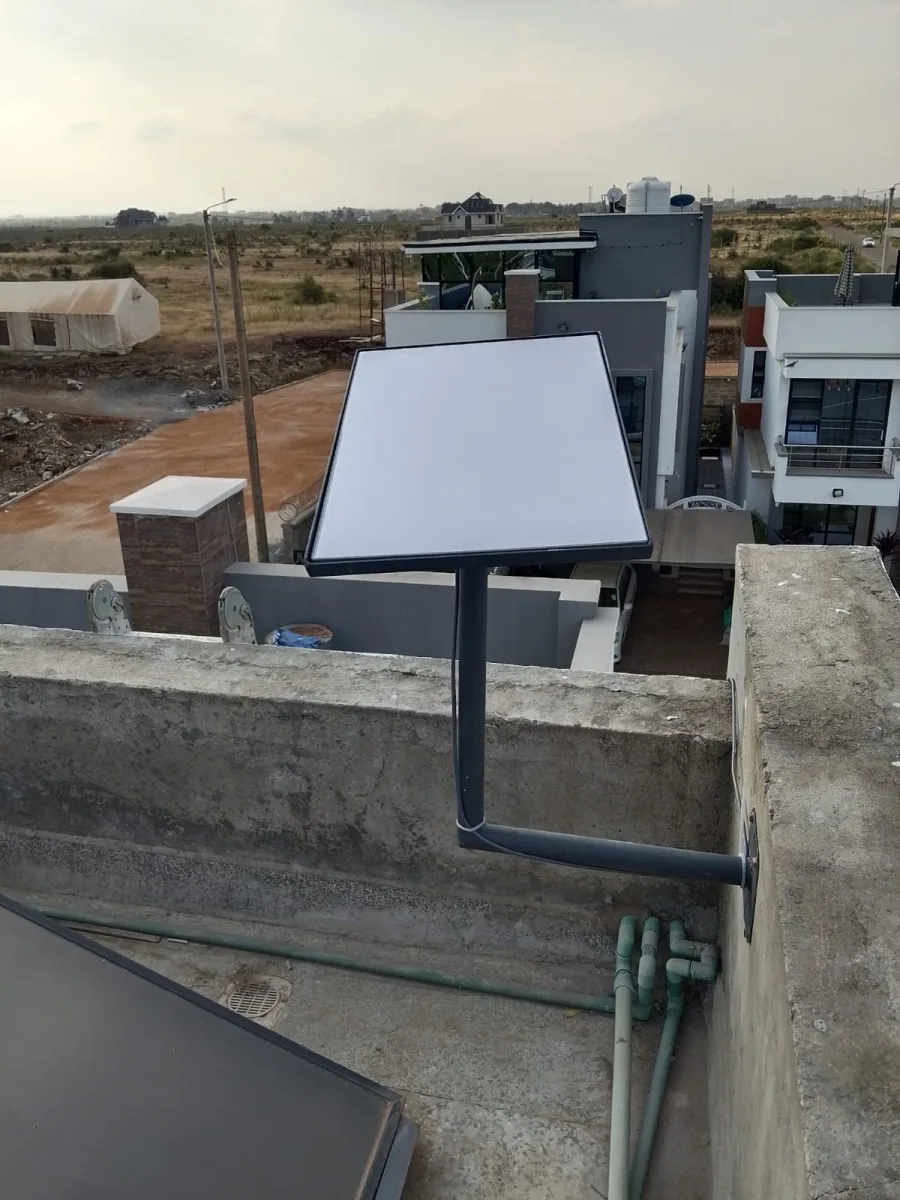
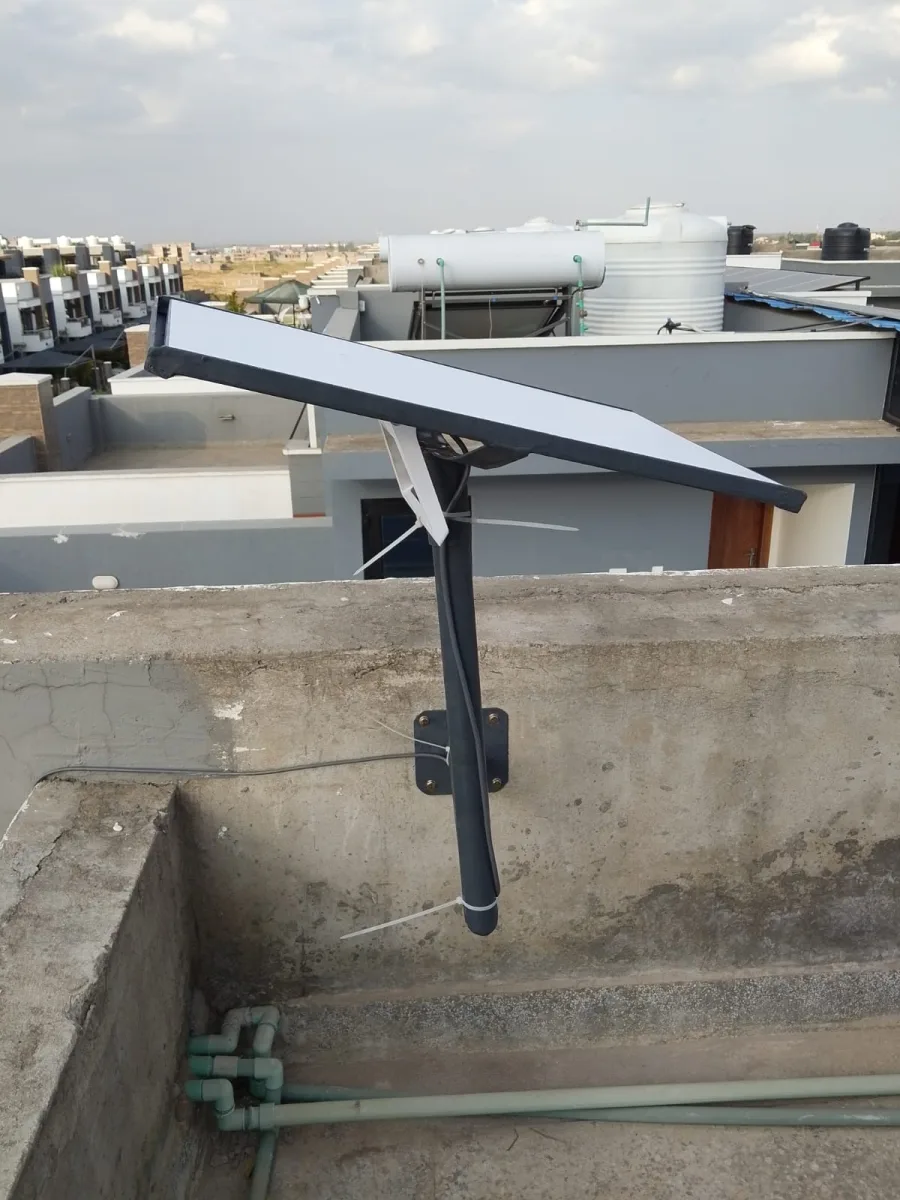
Need Starlink Installation or Network Optimization?
We help homes, offices, apartments, and businesses with Starlink installation, WiFi coverage improvement, and professional setup in Kenya.
Request Installation Chat on WhatsAppTalk to Spacekits
Need Starlink help for your home or business?
Talk to Spacekits before you buy or book installation. We help with kit supply, mounting, activation, router placement, WiFi coverage, and written quotes.
Starlink internet Kenya business planning should begin with the work your team needs to complete. A connection can appear fast in a short test while staff still struggle with weak Wi-Fi, interrupted calls or unclear backup procedures. A structured pilot helps you evaluate the whole experience before making it the main connection for important daily operations.
This guide explains eight practical checks for a small office, shop, property business or service organization. The examples are planning scenarios rather than performance guarantees. Spacekits is an independent reseller and installation support provider, not Starlink or SpaceX. Call 0725345345 to discuss a site survey, a defined installation scope and the tests your team wants to run.

Starlink internet Kenya: define the business pilot
1. Select the tasks that matter most
List the activities that would cause the greatest disruption if the connection became unusable. Examples include customer calls, web-based checkout, document uploads and access to shared records. Pick a small number of representative tasks for the pilot. Testing everything vaguely is less useful than testing the most important work carefully.
For each task, identify the user, location, device and normal working period. A manager’s laptop beside the router may have a different experience from the reception computer across the building. The pilot should represent the actual operating environment rather than a convenient demonstration arranged only for the installation visit.
Review Spacekits’ office connectivity service when preparing the scope. State whether you are evaluating a main connection, a backup connection or a temporary arrangement. Those objectives require different evidence and may lead to different choices about network equipment and support.
Write an acceptance statement for every important task. For example, staff can open a routine report and complete an authorized test transaction from the intended workstation. The wording should describe useful work rather than simply requiring a particular speed-test number with no explanation of its business relevance.
Confirm the service arrangement before testing
2. Check the current plan and account responsibilities
Verify the service options and applicable conditions through the official Starlink website. Confirm the actual location and intended use. A plan name or retailer description is not enough to establish what the current subscription allows. Keep the relevant offer details with the pilot record.
Assign an account owner, billing contact and technical contact. These roles may be held by the same person in a small business, but they should still be explicit. Staff need to know who can review account messages and who can request help when the connection is affected by an account issue.
Keep installation assistance separate from unnecessary access to business information. The installer can test connectivity without seeing private records from every application. Prepare suitable test accounts or non-sensitive tasks where possible. Decide what screenshots may be retained and keep credentials out of shared pilot reports.
Starlink internet Kenya evaluation is more reliable when the pilot uses the service arrangement you actually intend to operate. If you test under different conditions, record that limitation. Otherwise, a successful trial may create expectations that the final account, plan or network configuration does not support.
Starlink internet Kenya: separate internet and Wi-Fi tests
3. Distinguish the internet link from local Wi-Fi
A user’s experience includes both the connection to the wider internet and the local path between the device and router. Weak wireless coverage can affect a task even when the internet link itself is performing well. The pilot should collect enough information to distinguish those possibilities before recommending a change.
Starlink’s official speed-test guidance explains the available test paths and how local Wi-Fi can become a bottleneck. Use the current app guidance and record the test context. Do not treat different test types as directly comparable results without understanding what each measures.
Mark the locations of repeated problems on a simple floor plan. If tasks work near the router but fail in one office, investigate coverage and local conditions. If several devices across the site are affected together, collect the timing and app status for support. This evidence helps avoid buying the wrong remedy.
Spacekits’ Wi-Fi and mesh planning service is relevant when the local network needs improvement. Agree on the areas to be covered and how they will be tested. Additional equipment should respond to an identified coverage requirement rather than being added simply because the site is labelled a business.
Test with realistic activity
4. Observe the busiest working period
Run the pilot when the relevant tasks overlap. A quiet morning test cannot fully represent a shop’s busiest checkout period or an office with several simultaneous calls. Record the approximate activity level and the tasks in progress so that a later review can interpret the observations sensibly.
Retail staff can test authorized workflows in Vega POS, while a salon may use representative tasks from PRIM. The aim is to verify the business’s own application experience, not to claim that either product has a special Starlink certification or will behave identically on every connection.
A property office using RentalDesk may prioritize record access and daily follow-up work. A group administrator using TAS may need reports during meetings. Use the real task sequence, including saving or submitting work where appropriate, rather than counting a successful sign-in as proof that the entire process works.
For custom portals, Zama’s business systems offer context for identifying approvals, uploads and reports that depend on connectivity. Assignment-based teams can consider workflows represented by Saseni. Test only the applications your organization actually uses, and document whether an observed issue belongs to the network, device or application before assigning a cause.
Check calls and uploads separately from browsing
5. Use task-specific observations
Browsing a simple page, holding a video meeting and uploading a large file place different demands on the connection. Include each important activity in the pilot. Record what the user experienced: a dropped call, unclear audio, a failed upload or a delayed page. Concrete observations are easier to investigate than the general statement that the internet is slow.
For calls, note the room, device, application and time. Ask whether other users were affected and whether the issue repeated. For uploads, use a suitable non-sensitive test file and record whether it completed correctly. Avoid repeatedly sending a private business document merely to test the connection.
Compare like with like where possible. A test on a new laptop in one room is not directly comparable to a test on an older phone behind several walls. Keep a repeatable baseline task and vary one condition at a time when investigating a problem. This makes the results more informative without turning the pilot into an unnecessarily complex laboratory exercise.
Starlink internet Kenya performance should be described using the conditions observed. A good pilot can establish that the tested tasks worked during the review period. It cannot promise that every future call will be uninterrupted or that every application problem has been eliminated by installing a different internet connection.
Plan interruptions before they occur
6. Test power and fallback procedures
Identify what happens when the power supply is interrupted. List the terminal, router and additional network devices required for useful connectivity. If backup power is part of the design, have the arrangement assessed for the actual equipment and desired runtime. Test it under the agreed conditions rather than assuming that one powered device means the whole network remains available.
If another internet connection is part of the fallback plan, decide how staff will switch or how the network will handle the change. Do not assume seamless failover unless it has been configured and tested. Some active application sessions may need attention after a connection change, so include those tasks in the review.
Prepare a short procedure for an interruption. It should identify who checks the situation, which work can continue and when staff should use the alternative process. A backup connection that nobody knows how to access may provide little practical resilience during a busy period.
Keep the fallback test controlled. Tell the affected staff what is being tested and use a suitable time. The purpose is to confirm the procedure without unexpectedly disrupting live customer transactions. Record what worked, what required assistance and which improvements are needed before relying on the arrangement.
Make support requests easy to investigate
7. Create a simple incident record
Give staff one way to report problems. Ask for the time, location, device, task and visible message. Include whether other people were affected. These details help the support team identify patterns and avoid asking every user to repeat the same information through several communication channels.
Use Spacekits’ troubleshooting service when local setup, coverage or installation issues need investigation. Account and provider-service matters may require the official support process. Keep those responsibilities clear so a request is directed to someone who can act on it.
Avoid repeatedly changing settings without documenting the original state. Uncoordinated resets can remove useful evidence or introduce a new problem. Let the responsible technical contact organize troubleshooting, particularly when several staff members depend on the same network.
Keep a short list of known limitations and agreed next actions. If one room needs further coverage work, record it as an open item with an owner. Acknowledging a limitation is more useful than declaring the entire pilot successful while staff continue working around the same unexplained problem.
Starlink internet Kenya pilot acceptance and rollout
8. Review the evidence against the original objective
At the end of the pilot, return to the task list. Which activities worked consistently under the tested conditions? Which failed, and what evidence explains the failure? Separate unresolved issues from optional improvements. This prevents an ordinary feature wish list from hiding a problem that affects essential daily work.
Agree who can approve the next step. A business may choose to extend testing, improve local coverage or begin using the connection for a defined set of tasks. Expansion does not have to mean moving every critical system at once. A staged decision can preserve learning and make support demand easier to manage.
Document the limits of the pilot. It may not have covered every busy period, device or unusual weather condition. Those limits should inform expectations and monitoring after rollout. A clear statement of what was tested is more credible than a broad assurance of permanent reliability.
For Starlink internet Kenya projects, the final handover should include the account owner, equipment list, network coverage notes and support routes. Keep the pilot results with those documents. Future staff can then understand why the setup was selected and what work remains outside its original scope.
A worked business-pilot example
Imagine a fictional office testing a new connection for six staff members. Reports and uploads work at the main desks, but calls repeatedly degrade in a meeting room. A test closer to the router performs better. The next useful action is to investigate local coverage and the room’s conditions rather than immediately purchasing a different service package.
After the local network is adjusted, the team repeats the same meeting task from the same room. If the issue is resolved under the tested conditions, the result is recorded with the change. The office then checks its fallback procedure and trains the person responsible for first-line support.
This example illustrates a method, not a promised result for every site. The important sequence is to observe, identify the likely layer of the problem, make a justified change and repeat the relevant task. It keeps spending and technical work connected to an actual business need.
Frequently asked questions
Is a speed test enough to approve the connection?
No. It is useful evidence, but it should be combined with tests of the work users need to complete. Coverage, calls, uploads and application behaviour can expose problems that a single result does not explain. Record the conditions of each test so the findings remain meaningful.
Should we cancel the old connection immediately?
Base that decision on your operating needs, contract terms and pilot evidence. A controlled transition may require overlap or an alternative fallback. Do not remove a useful recovery option before the business has decided how it will handle interruptions and confirmed the new arrangement’s practical suitability.
Can Spacekits guarantee every cloud application will work?
An installer can assess connectivity and local network conditions, but application behaviour also depends on the application, device and service configuration. Define representative tasks and test them. Where an issue appears application-specific, involve the appropriate software support team rather than assuming the internet link is the only possible cause.
Plan your business connectivity pilot
Use these eight checks to evaluate Starlink internet Kenya against real work, local coverage and support responsibilities. Prepare your priority tasks and site layout, then request a Spacekits quotation or call 0725345345. A useful pilot produces evidence your team can review before expanding its reliance on the connection.
Need Starlink Installation or Network Optimization?
We help homes, offices, apartments, and businesses with Starlink installation, WiFi coverage improvement, and professional setup in Kenya.
Request Installation Chat on WhatsApp