
Need Starlink Installation or Network Optimization?
We help homes, offices, apartments, and businesses with Starlink installation, WiFi coverage improvement, and professional setup in Kenya.
Request Installation Chat on WhatsAppTalk to Spacekits
Need Starlink help for your home or business?
Talk to Spacekits before you buy or book installation. We help with kit supply, mounting, activation, router placement, WiFi coverage, and written quotes.
Starlink Mini Kenya planning should cover more than whether the equipment fits into a travel bag. A field team or remote worker needs a permitted service arrangement, suitable power, a practical outdoor position and a repeatable setup routine. The kit is useful only when the people carrying it can bring the intended connection into service and complete the work they travelled to do.
This guide gives nine checks for temporary work sites, rural visits and portable backup planning. It is not a promise of service at every destination or permission to use the equipment while moving. Spacekits is an independent reseller and installation support provider. Call 0725345345 to discuss your locations, equipment needs and a practical setup quotation.

Starlink Mini Kenya: confirm the intended use before buying
1. Describe the field task and location pattern
Start with the work rather than the device. A remote worker may need calls and document access for one person. A field team may need several staff to upload reports at the end of a day. A temporary office may need connectivity for a longer project. These situations should not be treated as identical merely because they all take place away from headquarters.
List the locations, expected dates and how often the kit will move. Explain whether it will be set up while stationary or whether someone expects connectivity during travel. The latter is a separate requirement that needs explicit confirmation of permitted service and suitable equipment. Do not assume portable hardware automatically allows every style of use.
Spacekits’ Starlink Mini service guide provides a starting point for discussing the setup. Bring the task list and destination pattern to the conversation. This helps the team assess whether Mini is appropriate or whether another arrangement deserves consideration for the intended site.
2. Verify the current service conditions
Review the official Starlink Roam information and the current account or checkout options for your intended use. Confirm applicable locations, data conditions and other restrictions before relying on the kit for a trip. Historic plan descriptions may no longer represent the available arrangement.
Record the account owner and the person responsible for checking service readiness before departure. If a plan change or other account action is required, confirm it through the proper process in advance. A field deployment should not begin with everyone assuming that someone else has already checked the subscription.
Keep a fallback for work that cannot wait. That might be another approved connectivity option or a documented process for recording work until it can be submitted. The appropriate fallback depends on the organization. The key is to decide it before the team reaches a location where the expected connection is unavailable.
Starlink Mini Kenya equipment and power checks
3. Confirm exactly what is included
Ask the supplier to identify the kit, power components, cables and accessories included in the purchase. Record the model and condition. If the equipment is previously owned, resolve account-transfer and activation questions before treating it as ready for deployment. Possessing a terminal does not establish that its service is ready.
Use the Spacekits hardware buying guide to organize the quotation request. Explain whether you need a portable kit only, setup assistance or accessories for a more permanent location. Check the current price and stock in writing rather than relying on an old advertisement.
Create an inventory that can be checked during packing and return. Include small components that are easy to leave behind. The inventory should describe the equipment clearly enough that a different staff member can confirm it without guessing. Keep purchase and support details available to the authorized equipment owner.
4. Choose compatible power and test runtime
Use the correct power arrangement for the exact kit and accessories. A connector fitting physically does not prove that an adapter or battery is suitable. Ask a competent supplier to confirm compatibility and follow the current manufacturer guidance. Avoid unreviewed power modifications, especially when equipment will be used outdoors or by several staff members.
The official Starlink Mini installation guide should remain part of the setup reference. Use the guide supplied for your equipment and check any accessory-specific instructions as well. This article is a planning checklist, not a replacement for the manufacturer’s electrical or installation requirements.
If a battery arrangement is involved, test it with the real equipment and the intended workload before travelling. State how long the team needs the connection and what other devices draw from the same source. A runtime estimate should include the complete arrangement rather than only one component’s nominal consumption.
Starlink Mini Kenya field preparation should also identify where charging or reliable mains power will be available. Record what happens if that source is unavailable. A compact kit can still become unusable when the power plan relies on an unconfirmed socket, missing adapter or battery that has not been tested.
Prepare for a suitable temporary position
5. Assess sky view and physical placement
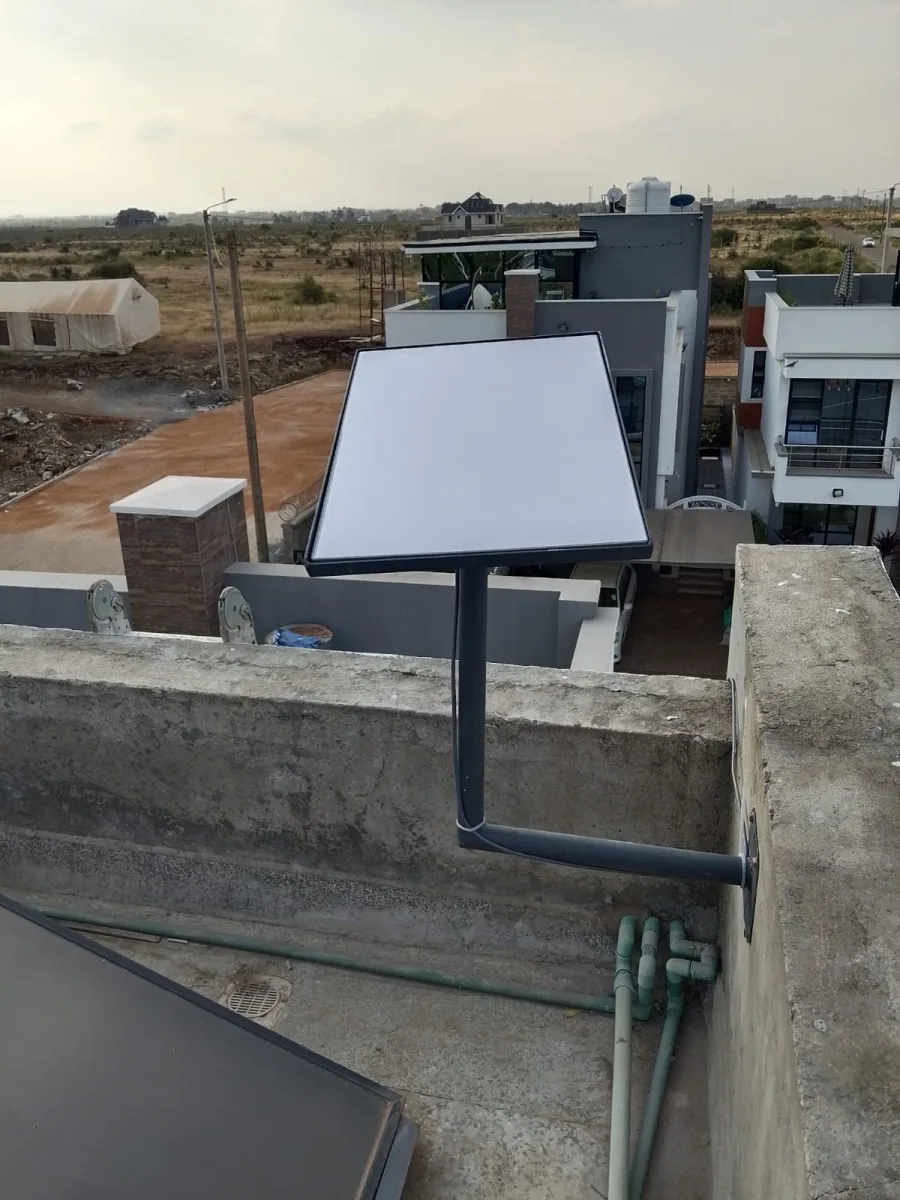
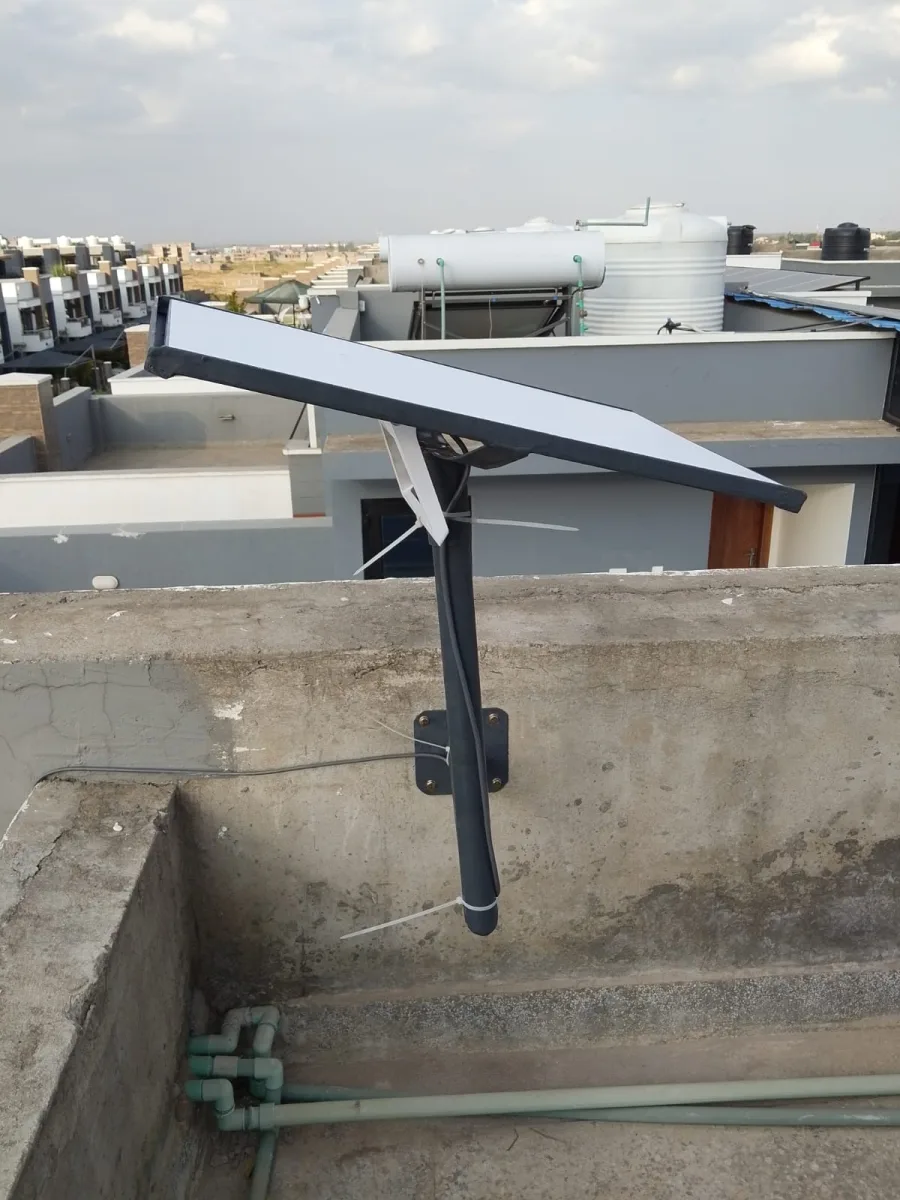
Choose a location using the relevant app and manufacturer instructions. The official Mini guide explains that obstacles in the terminal’s view can interrupt the connection. Arrange placement from a safe, accessible position and seek qualified help if an elevated installation is necessary. Do not improvise risky access simply to obtain a better signal.
Consider how the site is used by other people. A temporary terminal and its cable should not obstruct a walkway or be placed where normal activity is likely to disturb them. Discuss permission with the property owner and identify a practical position before the work session starts.
Check the route between the equipment and the users. A position with a suitable sky view may be inconvenient for local Wi-Fi coverage or power access. Resolve those constraints together. Moving the terminal beside a laptop without considering its outdoor requirements may fix one inconvenience while creating a different problem.
Record the chosen position and any limitation relevant to the visit. If the team returns regularly, those notes can support a repeatable setup, while still requiring a fresh review when the surroundings change. A previously successful location should not be treated as permanently suitable without checking current conditions.
6. Establish the local working area
Decide where people will sit or work and how they will connect. A small portable arrangement may suit a compact group, while a larger temporary office may need additional network planning. Test from the intended working positions rather than assuming that a successful connection beside the equipment proves useful coverage everywhere.
For staff using Zama-built business portals, the important task may be submitting a report or reviewing an approval. An assignment-based team may use workflows represented by Saseni. Identify your actual application tasks and test them with authorized accounts, keeping sensitive material out of demonstration screenshots.
Retail or service teams may need to access systems such as Vega POS or PRIM during temporary operations. These are examples of application requirements, not claims that a particular portable setup is certified for those products. The team should verify its own workflow and any software-specific offline behaviour separately.
Property staff using RentalDesk and group administrators using TAS may have different usage patterns again. A short records review and a day of simultaneous calls are not the same workload. The field plan should reflect what users will actually do at the site.
Make setup repeatable for different staff members
7. Run a departure rehearsal
Before the first deployment, ask the person who will carry the equipment to unpack it, follow the approved instructions and complete the main task. Use the same power arrangement and accessories intended for travel. Note where the person needs assistance and improve the instructions before the equipment leaves the office.
Include the account-readiness check without putting passwords into a printed packing list. Define the authorized way to obtain support if access is needed. The field user should know whom to contact and which information can be shared safely, especially when using a communal phone or messaging group.
Perform a shutdown and repacking rehearsal too. Work can be disrupted on the next visit if a cable is damaged or an accessory is left at the previous site. The routine should account for inspecting, packing and storing the equipment according to its requirements rather than treating departure as the end of responsibility.
For Starlink Mini Kenya deployments shared across teams, appoint a custodian. Record who has the kit, where it is going and when it is expected back. A simple custody record helps distinguish an equipment problem from a missing component and makes it easier to arrange support when several people use the same setup.
Collect useful evidence when something goes wrong
8. Use a clear troubleshooting record
If a task fails, record the location, time, visible app message and what the user was attempting. Check whether the problem affects one device or the whole group. These observations help distinguish a local wireless issue, a power interruption, a service condition and a problem within the application itself.
Use Spacekits’ troubleshooting support for appropriate local setup assistance. Provider account or service matters may need the official support route. Keep the boundary clear so a field team does not expect a local installer to override a subscription restriction or account decision.
Avoid repeated resets without a record of what changed. A well-intentioned colleague can remove useful information or introduce a new configuration issue. Let the responsible person coordinate the investigation and keep the current status visible to the team. Follow current manufacturer guidance for any physical or configuration action.
If the connection remains unavailable, use the agreed fallback process. Record work locally only through approved tools and handle business information according to the organization’s practices. The field plan should preserve the work safely while avoiding unsupported claims that a particular application automatically works offline.
Starlink Mini Kenya return and deployment review
9. Complete a return and lessons review
Check the equipment inventory on return and note visible damage or missing components. Confirm that the next user will receive a complete kit. Keep support issues attached to the equipment record rather than relying on an informal message that may not reach the person packing for the next trip.
Review the actual tasks completed and the conditions that affected them. Did the power arrangement last for the planned session? Was the working area suitable? Did the account and service conditions match the intended use? Record the answers even when the trip was successful so the team knows which assumptions were tested.
Decide whether the next deployment needs a change in equipment, schedule, location planning or user instructions. Do not automatically purchase a new accessory for every problem. Identify the cause and explain how the proposed change addresses it. Then repeat the relevant test before treating the issue as resolved.
Keep the lessons concise. A one-page deployment record with location, setup, tasks, problems and next actions is more likely to be used than a long document nobody updates. The purpose is to make the next visit more predictable and ensure that knowledge remains available when staff change.
A Starlink Mini Kenya packing and readiness exercise
Imagine a fictional team visiting a rural project office for two days. Before departure, it confirms the service conditions, checks permission for the temporary position and rehearses the required report upload. The equipment custodian verifies the kit and tested power accessories, while the project lead records the fallback process if connectivity is unavailable.
At the site, the team reviews the proposed placement and tests from the actual working area. If one laptop has difficulty while others work, the team records that distinction rather than immediately assuming a service-wide failure. On return, it updates the equipment inventory and documents anything the next team needs to know.
This example is a planning method, not a guarantee that the same arrangement will suit every destination. The useful pattern is to confirm eligibility, rehearse the complete setup, observe the real work and retain the lessons. Portability becomes valuable when it is supported by a repeatable operating process.
Frequently asked questions
Does a Mini kit automatically include a mobile service plan?
No assumption should be made from the hardware name alone. Confirm the applicable service arrangement and current conditions for the account and intended locations. Ask the seller to separate the equipment purchase from any subscription or activation assistance included in its offer.
Can the kit be used while a vehicle is moving?
Treat that as a distinct requirement. Confirm permitted use, compatible equipment and appropriate mounting through current official guidance before planning it. Do not infer permission from a portable form factor or from another customer’s experience in a different country or plan.
Is Mini always the best option for a remote office?
No. A permanent office and a travelling individual have different needs. Compare the intended users, power arrangement, placement, local network and current service options. Ask for a recommendation tied to those requirements rather than choosing purely on the size of the terminal.
What should we provide when asking Spacekits for help?
Share the intended locations, kit status, number of simultaneous users, important tasks and available power. Explain whether the equipment will remain at one site or travel between sites. Include any setup problem and its visible message so the team can identify the appropriate next step.
Plan a field setup your team can repeat
Use these nine checks to prepare Starlink Mini Kenya for the work, locations and people involved. Confirm the service arrangement and rehearse the complete setup before departure. To discuss equipment and local support, request a Spacekits quote or call 0725345345 with your field-work requirements.
Need Starlink Installation or Network Optimization?
We help homes, offices, apartments, and businesses with Starlink installation, WiFi coverage improvement, and professional setup in Kenya.
Request Installation Chat on WhatsApp