
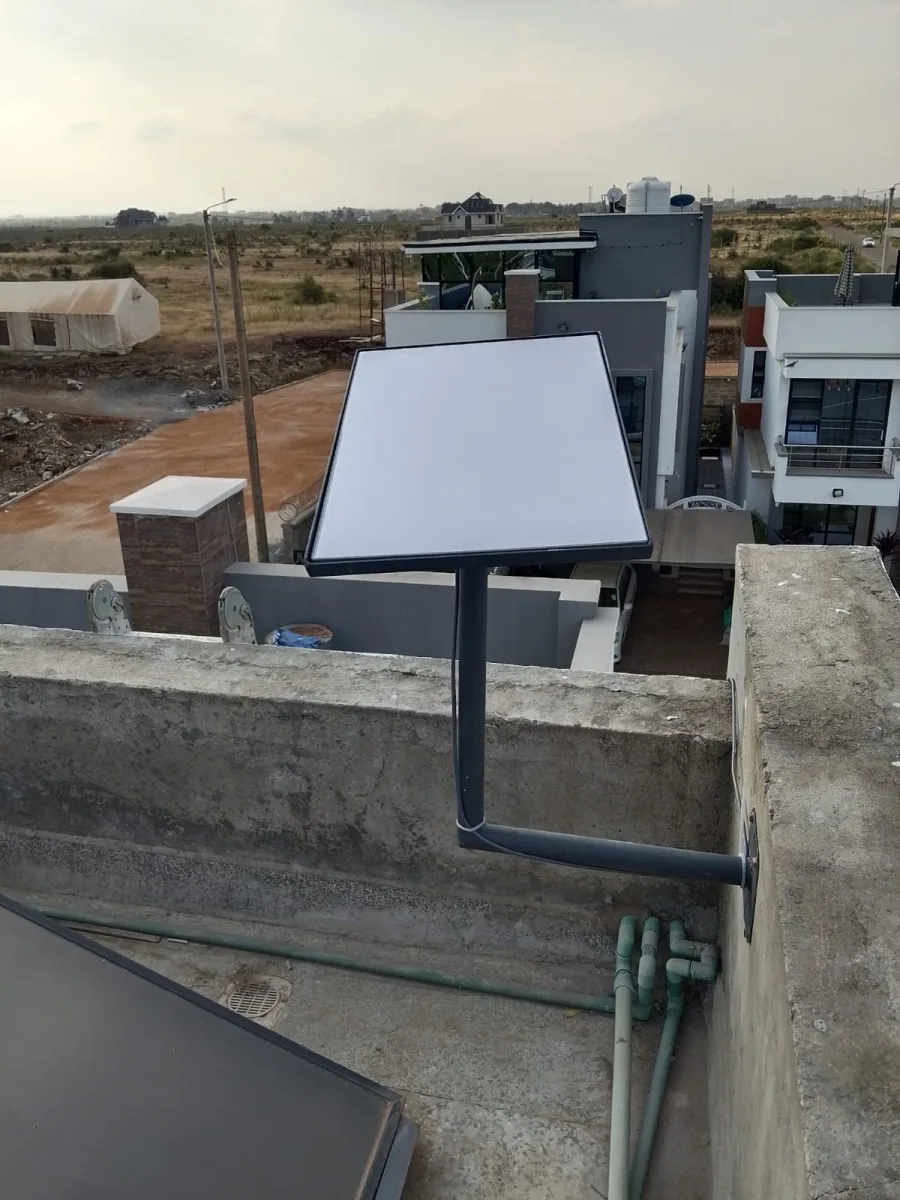
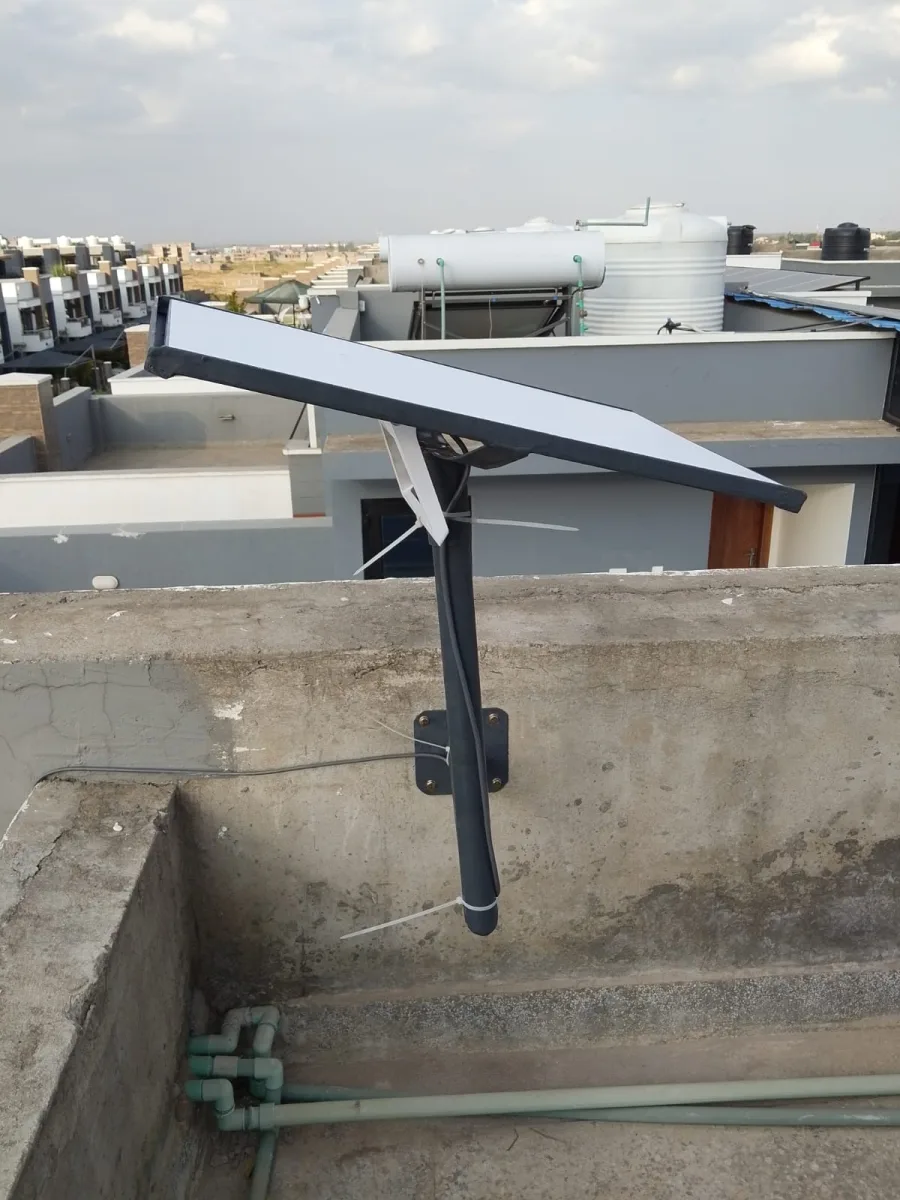
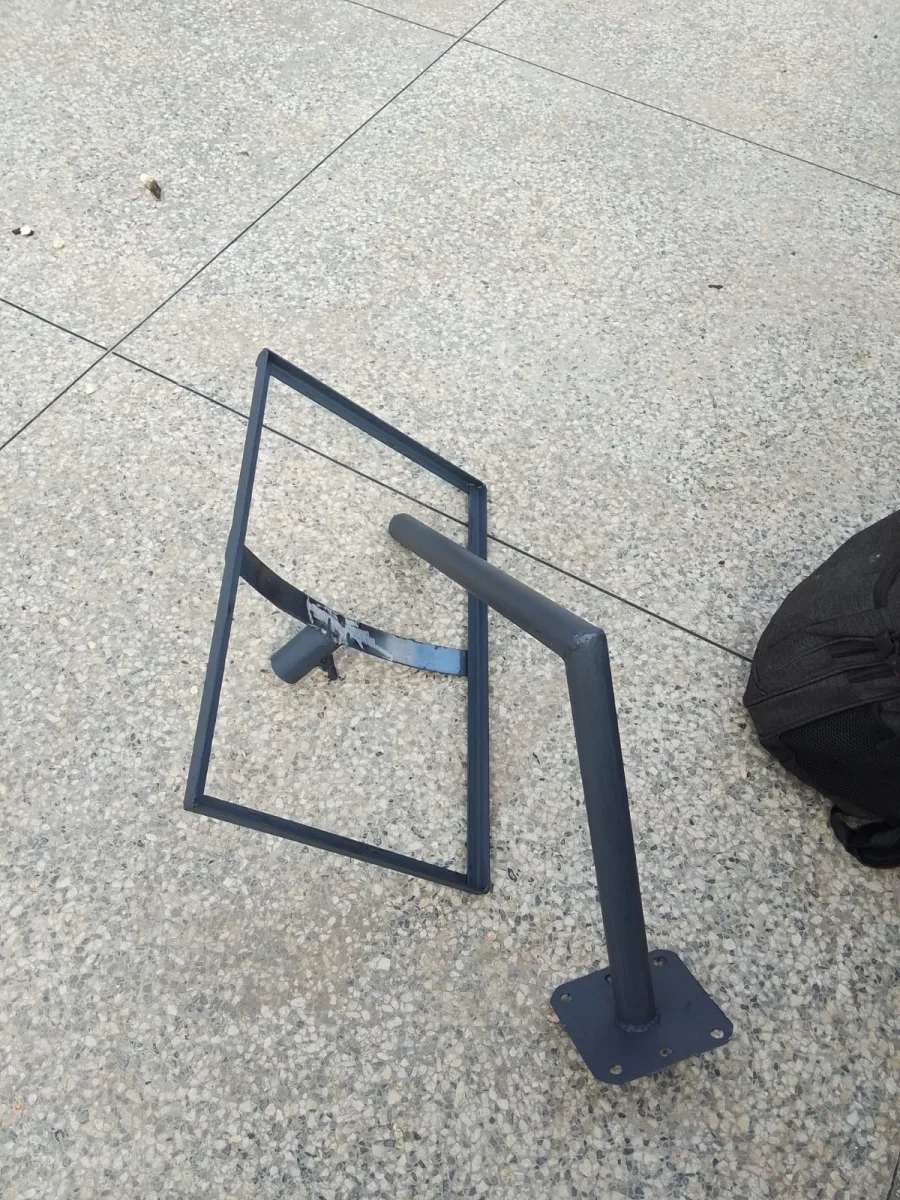
Need Starlink Installation or Network Optimization?
We help homes, offices, apartments, and businesses with Starlink installation, WiFi coverage improvement, and professional setup in Kenya.
Request Installation Chat on WhatsAppShop counter internet checks should reflect how staff actually serve customers. Identify the devices used at each counter and the online activities needed during a normal sale. Include stock enquiries and back office tasks where relevant, rather than relying only on browsing from the manager’s phone. Give unresolved checks an owner before returning to normal trading. Review this regularly.
Talk to Spacekits
Need Starlink help for your home or business?
Talk to Spacekits before you buy or book installation. We help with kit supply, mounting, activation, router placement, WiFi coverage, and written quotes.
Test from the counter, store and office using your usual devices. Record differences between locations and review the Spacekits WiFi coverage guide. A room that performs poorly may need a local coverage assessment before any decision about changing service plans.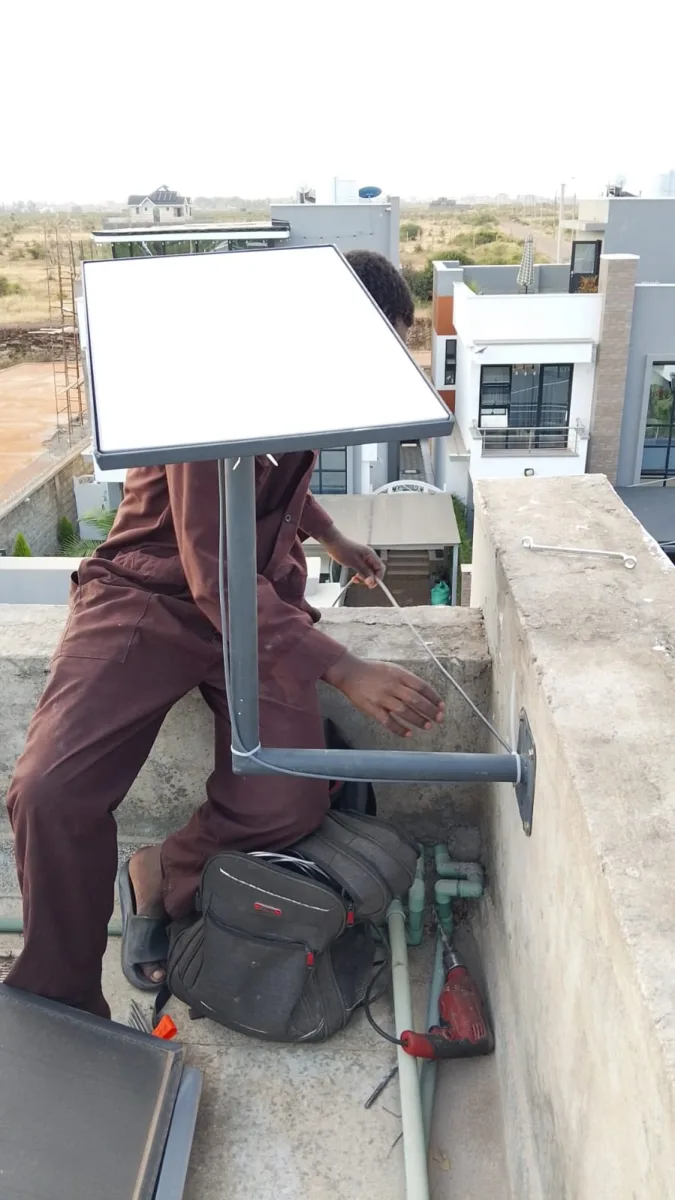
1. Base shop counter internet checks on ordinary sales work
Shop counter internet checks should begin with the online activities staff need during a normal customer interaction. List the authorised tasks performed at the counter, such as a stock enquiry or an ordinary browser-based lookup. Identify the device and location used for each task. This provides a practical test plan instead of treating one result from the manager’s phone as a complete assessment.
Ask the people serving customers to explain the workflow. A cashier may use one application while a supervisor checks another record from a separate device. The connection supports those activities, but the applications may have their own requirements and support processes. Keep the distinctions clear so a problem is routed to the person who can assess it.
For shop counter internet checks, separate essential trading activities from optional browsing. The purpose is to understand what must work at the locations where staff serve customers. Write down the activities that need assessment before approving changes. This helps the installer and shop owner agree on a useful outcome without assuming that every online activity has the same priority.
Describe the failed activity precisely. “The stock enquiry stopped responding at counter two” gives more useful context than “the internet is slow.” Include the approximate time and whether other activities or devices were affected. Do not infer a technical cause from the symptom alone or assume that changing a service plan will solve every problem at the till.
2. Map counters, store areas and the back office
For shop counter internet checks, draw a simple layout showing the counters and other locations where staff use connected devices. Include the store room and back office where relevant. Identify spaces separated by doors or on another floor. The sketch does not need technical detail; it should help the assessor understand where work happens and which locations have produced different experiences.
Shop counter internet checks should use the devices normally assigned to each location where practical. A successful result on a different device may help investigation, but it does not fully describe the usual arrangement. Note any temporary change made for a comparison, including a moved computer or an unusually open door. Keep the final assessment tied to ordinary working conditions.
Include planned changes to the shop layout. An additional counter or relocated stock area may affect the scope of an assessment. Distinguish confirmed changes from ideas under consideration. Ask the provider to separate immediate work from possible future requirements rather than treating every proposed expansion as something that must be installed during the current visit.
Record differences between locations during shop counter internet checks. A task that works in the office but fails at the counter may warrant a local assessment, while an issue affecting several locations needs a different description. The observation helps frame the question. It does not prove that a particular component is faulty or establish a universal equipment solution.
3. Agree safe tests with the application provider
Some actions in retail software can create a transaction, reserve stock, send a notification or change a record. Ask the application provider how to demonstrate the relevant activity safely. Use fictional information or a recommended test method where available. Do not repeatedly submit a live action simply to see whether the connection responds on a later attempt.
For shop counter internet checks, identify who is authorised to operate the application during the assessment. The staff member can demonstrate the workflow while the installer observes connectivity-related behaviour. This separates application responsibility from installation work and avoids casually sharing credentials with someone who does not need access to the full business account.
Write the expected test outcome in plain language. A page opening is different from a completed stock enquiry, and neither necessarily proves that a transaction was recorded correctly. Confirm the relevant result with the application provider’s guidance. Keep the test within the ordinary authorised process and stop if the effect of repeating an action is uncertain.
Shop counter internet checks should record unsuccessful and incomplete tests honestly. If the business cannot safely demonstrate a particular activity during the visit, note the limitation and assign a follow-up. Do not label it as passed merely because another page loaded. A clear test record is more useful than a broad claim that every business function has been verified.
4. Observe representative working periods
During shop counter internet checks, ask staff when the issue usually occurs and what the shop is doing at that time. A quiet opening-period check may not reflect an ordinary busy period. Record relevant simultaneous activities without assuming that one person’s device is responsible. The aim is to describe the conditions under which the symptom appears, not to blame users for normal work.
Plan shop counter internet checks so they do not create unnecessary disruption during trading. Agree a suitable time for any activity that could interrupt the connection or affect live records. A provider may need a realistic observation, but that does not justify unplanned testing in the middle of customer service. Coordinate the purpose and timing with the responsible manager.
Note whether the complaint is continuous, intermittent or linked to a particular activity. Record approximate times and the affected locations. If a symptom does not appear during the assessment, say so. Earlier observations can still help the provider decide what further information is needed, while the handover accurately describes what was and was not observed on the day.
Use shop counter internet checks to build a small useful record rather than an endless series of repeated tests. Once the same observation has been captured clearly, follow the agreed support route. Repeating a failed task without a new question may interrupt work and create confusing application records without providing better evidence.
5. Separate application, device and connection questions
If one application fails while another ordinary online task works, record the difference. If one device behaves differently from another, note that comparison too. These observations help the relevant support teams understand the scope. They do not by themselves prove which layer is responsible, especially when the devices or applications have different settings and requirements.
Shop counter internet checks should avoid changing several variables at once. Moving a device, changing its settings and switching applications together makes the result difficult to interpret. Follow the provider’s approved instructions and record each relevant action. If the equipment is managed by another organisation, involve the responsible person before making configuration changes.
Keep the application-support contact distinct from the installation or service contact where they are different. A shop may need coordination between providers, but each should receive a clear description of the question relevant to its role. Retain useful references so the next colleague can explain what has already been checked instead of starting the investigation again.
When shop counter internet checks reveal an uncertain outcome, identify the next responsible action. This might be an application-provider response, a local coverage assessment or further observation at a particular counter. Avoid recommending replacement equipment solely because a task failed once. Ask the appropriate provider to explain the assessment and any proposed work in a written scope.
6. Plan changes around trading and approval responsibilities
Before approving work, ask for a clear explanation of the proposed scope and its effect on ordinary trading. Identify any equipment, mounting or local network work included, along with separate ongoing service charges where relevant. Confirm current prices and terms directly. A quotation should describe what the shop is agreeing to, not merely provide a total without context.
Use shop counter internet checks to define the activities that will be repeated after the work. The agreed scope should identify the relevant counters and locations. Confirm who can approve a change if the assessment reveals additional requirements. A staff member available to meet the installer may not be the person authorised to approve extra equipment or expenditure.
Arrange the timing of any interruption with the manager and relevant staff. Explain the work period, affected areas and support contact through the normal internal channel. Do not assume that everybody has read a message sent only to the owner. The people serving customers need to understand how the approved work will be coordinated during their shift.
Keep outstanding decisions visible in the shop counter internet checks record. A recommendation awaiting approval is not completed work, and an appointment request is not a confirmed installation date. Give each open item an owner and next check so the team can distinguish progress from assumptions when preparing for the change.
7. Verify the result at the actual counter
After approved work, repeat the representative activity from the normal counter using the authorised test method. Include the location that produced the original complaint. A successful check beside the router or in the back office can be useful, but it should not replace the counter test. Record any difference in conditions that affects interpretation of the result.
Shop counter internet checks should identify what was verified and what remains unresolved. List the tested locations and activities, then note incomplete checks separately. If the original intermittent symptom did not appear, record that limitation rather than promising it can never return. Agree what staff should capture if the issue recurs during a later working period.
Ask for a plain-language handover explaining completed work and the support route. Staff should know where to find current equipment information and the agreed first response to a problem. Keep credentials separately through the approved process. A useful handover enables the next shift to report an issue accurately without giving every colleague administrative access.
Review shop counter internet checks after a normal trading session. Ask staff whether the original activity behaved as expected and whether any relevant difference appeared. Add factual observations to the existing support record. A short follow-up keeps the assessment connected to real work while avoiding unnecessary repeated changes to a setup that is operating normally.
Worked example: counter two behaves differently from the office
Imagine a fictional shop where an authorised stock lookup works in the back office but regularly stalls at counter two. The manager records the device, time and ordinary activity. Staff use the application provider’s recommended demonstration method so the test does not create duplicate transactions. The comparison is recorded as an observation, not a diagnosis.
The shop counter internet checks include a simple floor sketch and the fact that the counter was recently relocated. The provider assesses the relevant arrangement and explains proposed work before approval. After the agreed change, the same authorised activity is checked at the counter and other locations within the scope. The result and any limitation are recorded during handover.
If a separate application question remains, the manager sends it to the appropriate provider with the relevant observations. This example illustrates a method for preparing and reviewing an assessment. It does not claim that every counter problem has the same cause or can be solved by moving or replacing a particular device.
A practical log for shop counter internet checks
Use fields for date, approximate time, counter or room, device, activity, observed result, comparison, recent change and next action. Keep the description short and factual. The log should be understandable to someone who was not present when the problem occurred. Avoid unexplained measurements or screenshots that require the original observer to reconstruct the context later.
Shop counter internet checks should not collect customer payment details, credentials or unrelated business information. Use the approved support channel and share only what is relevant to the question. If the application provider requests evidence, ask how to obtain it appropriately. A clear operational description often answers the initial question without copying a complete customer record.
Identify who updates the log during each shift and where the current version is kept. Avoid several private copies that contain different next actions. Decisions made in a call or message should reach the authorised source. The receiving colleague should be able to identify the open question, responsible person and next review without searching through multiple conversations.
Frequently asked questions
Should the shop buy new equipment after one failed test? Start with an assessment of the observation. Shop counter internet checks describe the work affected and relevant differences between locations or devices. Confirm the provider’s recommendation, compatibility and written scope before purchasing equipment for an assumed cause.
Can a live sale be repeated as a connection test? Do not repeat actions whose effect is uncertain. Ask the application provider for an approved demonstration method and use fictional information where appropriate. Keep connectivity testing separate from unnecessary changes to actual business records.
Does a successful office test prove the counter is ready? No. Test the locations and ordinary activities that matter to the shop. Shop counter internet checks should include the actual counter rather than relying only on a convenient test beside equipment elsewhere.
What should staff report if the issue returns? Record the time, counter, device and failed activity, along with whether other activities were affected. Follow the agreed support process and include the previous handover reference. Avoid changing several settings or repeatedly submitting an uncertain transaction while waiting for advice.
Review shop counter internet checks before opening
Confirm that staff know the approved test method, support contact and current arrangement. Ask the person covering each counter to identify where an unresolved issue should be recorded. Shop counter internet checks are easier to use when the team agrees on one authoritative log and a clear person responsible for follow-up.
Check that a new shift has received any relevant handover after installation work. Explain which activities were tested and which questions remain open. The shop counter internet checks record should distinguish completed work from a recommendation awaiting approval so nobody assumes an unarranged visit or unapproved purchase is already in progress.
Keep the review proportionate to the shop’s needs. A concise check of ordinary activities and current open actions is more useful than repeatedly testing everything without a reason. Update the notes when a meaningful observation or approved change occurs.
Plan your shop assessment
For shops using Vega, ask the software provider how to test safely without creating duplicate transactions. Businesses comparing online tools can also review Zama. Confirm requirements directly and distinguish an application issue from a wider connection problem.
Schedule planned changes outside your busiest period where possible. Identify who can approve the work, test the result and contact support afterwards. Use the internet cutover guide to organise the switch. Keep an accurate list of unresolved issues. For independent installation and coverage support, call 0725345345 with your shop location, working areas and current equipment. Request a written scope before arranging the next visit.
Need Starlink Installation or Network Optimization?
We help homes, offices, apartments, and businesses with Starlink installation, WiFi coverage improvement, and professional setup in Kenya.
Request Installation Chat on WhatsApp