

Need Starlink Installation or Network Optimization?
We help homes, offices, apartments, and businesses with Starlink installation, WiFi coverage improvement, and professional setup in Kenya.
Request Installation Chat on WhatsAppAn internet cutover plan helps a Kenyan office move to a new connection without leaving staff guessing when systems will work. Before bringing Starlink into an existing network, agree which applications must stay available, who can change equipment, and how to return to the previous setup if a test fails. This guide turns the change into seven manageable checks.
Talk to Spacekits
Need Starlink help for your home or business?
Talk to Spacekits before you buy or book installation. We help with kit supply, mounting, activation, router placement, WiFi coverage, and written quotes.
1. Define the internet cutover plan around real work
List the activities that would stop the business if connectivity disappeared: customer calls, shared documents, order processing and remote access. Give each activity an owner who can test it. A successful speed test alone cannot prove that staff can complete these tasks.
Choose a quiet change window and tell affected colleagues when to expect interruption. Record the existing network name, which equipment belongs to each provider, and the support contacts. Keep account passwords in an approved password manager rather than in a widely circulated checklist.
2. Confirm the physical installation is ready
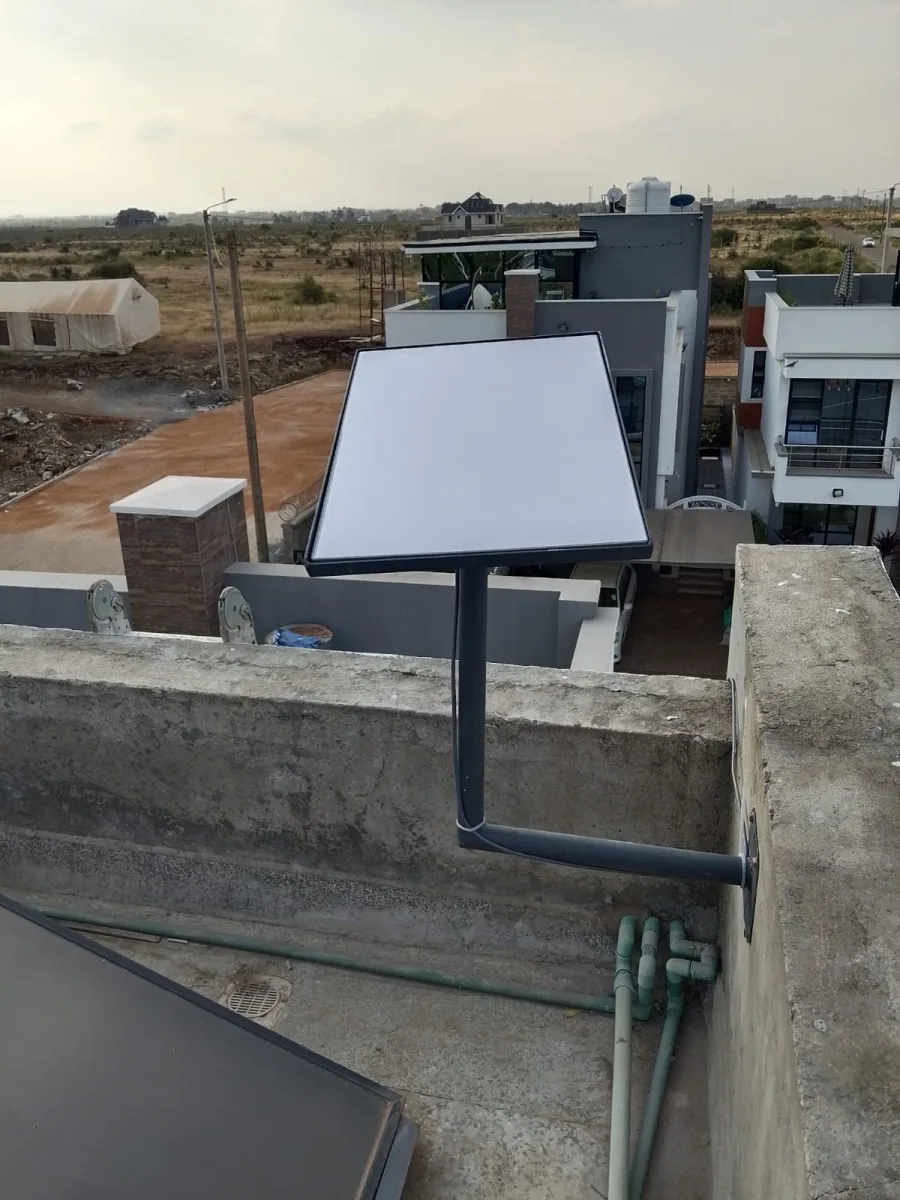
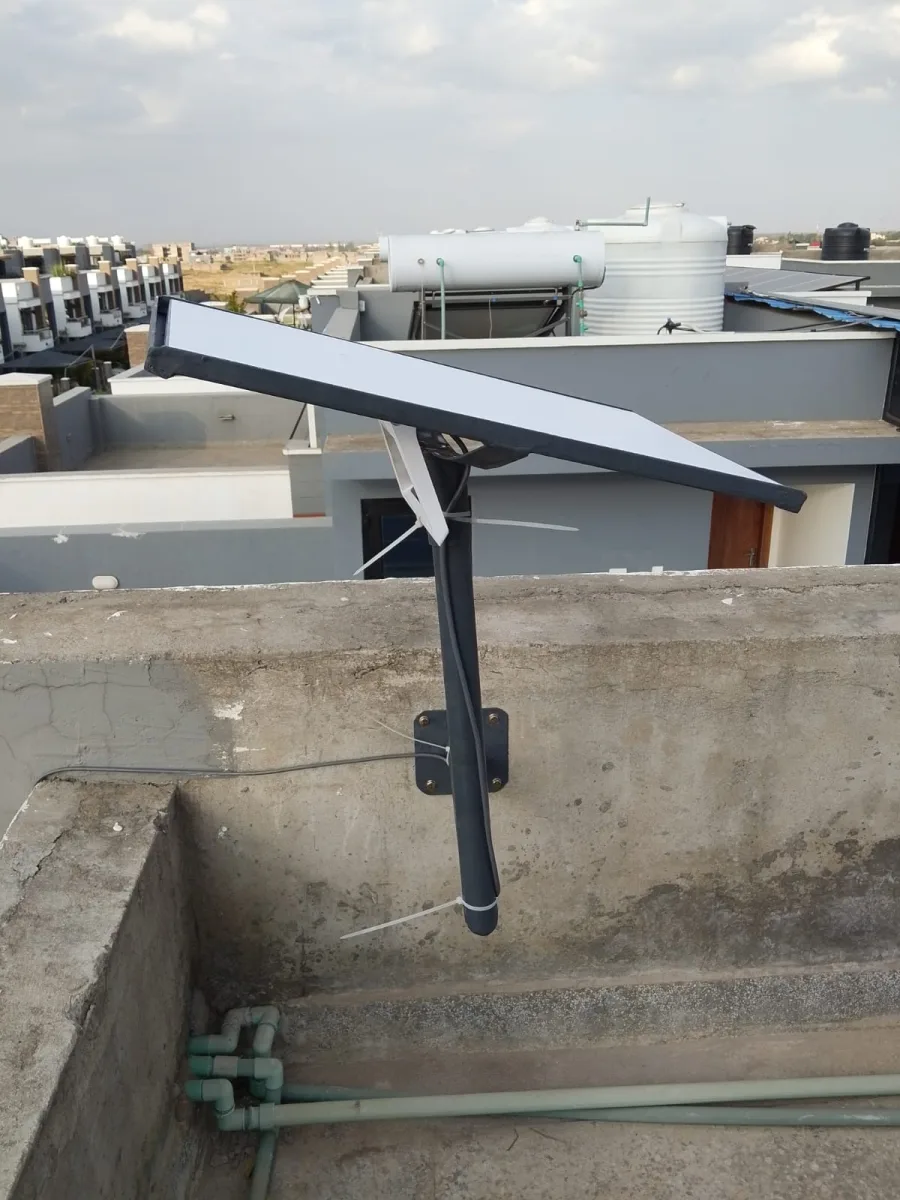
A network change should begin after the dish, cable route and indoor equipment have been assessed. Review the site preparation checklist before scheduling the switch. Delayed roof access or missing mounting equipment can otherwise consume the entire change window.
Ask for a written scope covering the mount, cable path, router location and any extra network equipment. Spacekits provides independent installation support; confirm what your specific quote includes and which service subscription you will manage separately.
3. Decide which network settings must be preserved
Ask the person responsible for your network to review printers, guest access, shared storage and remote-access requirements. Reusing a familiar WiFi name may simplify reconnection, but it should be a deliberate security decision. Do not copy undocumented settings simply because they appear to work.
If the office uses hosted applications such as those offered by Zama, test a representative sign-in and ordinary user task. This is an application test, not a claim that the software is integrated with Spacekits.
4. Keep the previous connection available for testing
Where practical, retain the old connection until the new setup passes the agreed checks. Label cables before moving them. Decide who can approve a rollback and what observation will trigger it, such as repeated failure of a critical application.
Avoid changing several unrelated systems at once. A router replacement, software update and payment-terminal change on the same morning make it harder to identify the cause of a problem.
5. Test the busiest locations and applications
Run checks from the actual desks and meeting rooms where staff work. Include an ordinary video call, a document upload and the relevant business applications. Note the time, location and whether the device used WiFi or a cable.
For a retail office using Vega, ask the software provider how to test safely without creating duplicate sales. Never assume a connection change preserves every application session. Review the WiFi coverage guide if results vary sharply between rooms.
6. Record the result before closing the change
Keep a short acceptance record: tests completed, issues observed, person responsible and next action. Distinguish a temporary observation from a promised performance level. Internet conditions change, so a single result should not become an unsupported guarantee.
Use the installation handover checklist to capture support details and equipment ownership. Staff should know which provider to contact for a connection issue and which provider handles the business application.
7. Review the first working day
Ask users for specific reports rather than a general verdict. A report saying that an upload failed in the upstairs meeting room at a stated time is more useful than “the internet is slow.” Compare incidents with the tests completed during the change.
An internet cutover plan is complete when the essential workflows work, the outstanding issues have owners, and the team knows how to get help. For a site assessment, review Spacekits installation services and send your location, current equipment and intended change date.
Internet cutover plan worksheet for the change owner
Keep the internet cutover plan in a short document that the people doing the work can access during an outage. An online-only file is inconvenient if the connection being changed is also the only way to open it. Prepare an approved offline copy containing operational instructions, while keeping secrets such as passwords in their proper secure location.
The worksheet should identify the decision maker, installer, application tester and person communicating with staff. One person may hold more than one role in a small office, but the responsibilities still need to be explicit. The installer should not have to guess who can approve a change when the business owner is away.
Record the starting condition
Before the visit, note which tasks currently work and which already fail. An existing printer problem should not automatically be attributed to the new connection. Include the date and the device used for each baseline check. The internet cutover plan then has a fair comparison rather than relying on everyone’s memory after the equipment is changed.
A useful starting record might contain one successful meeting-room call, one completed cloud-document upload and a note that the reception printer already requires attention. Keep the tests ordinary and repeatable. Avoid a demonstration that depends on a special administrator account when staff normally use restricted accounts.
Agree a stop time
Set a time when the team will decide whether to continue testing or restore the earlier arrangement. This is different from estimating how long installation will take. The stop time protects the next scheduled business activity by making someone responsible for a decision while there is still time to act.
For example, an office might allow a morning change but require a decision before an afternoon client session. The internet cutover plan should identify that dependency and the person who can move the session if needed. Do not let a sequence of small delays consume the entire buffer without discussing the consequence.
Internet cutover plan acceptance checklist
- Confirm that the installed equipment matches the agreed scope.
- Check that authorised staff can identify the network and connect their ordinary devices.
- Test the business tasks listed before the visit.
- Check the furthest required room rather than stopping at the router.
- Record any unresolved issue and its responsible person.
- Confirm who supports the connection and who supports the application.
- Agree whether the old service can be retired or needs further observation.
Treat this as an acceptance discussion rather than a guarantee that no future outage can occur. The internet cutover plan records what was checked under the conditions present at the time. Where an organisation requires contractual service levels, those belong in a separately agreed service arrangement.
When a test does not pass
Describe the failed action and preserve the useful evidence. If a call fails only in one room, record that location. If the same application fails on several networks, tell the application support team. Avoid repeating the same test indefinitely without changing the question it is intended to answer.
The change owner should decide whether the issue blocks normal work. A nonessential guest area may be recorded for follow-up, while failure of a core operational task may justify restoring the earlier arrangement. That decision should follow the priorities agreed in the internet cutover plan, rather than whichever problem produces the loudest complaint.
Questions staff commonly ask during a connection change
Will every device reconnect automatically?
Do not promise this in advance. Device settings, network names and the chosen configuration affect reconnection. Ask staff to keep an authorised contact available for devices they manage. The internet cutover plan should allow time to check the equipment that matters rather than assuming that a working laptop proves every device is ready.
Should we cancel the old service immediately?
Review the current service terms and the business need for continued access before deciding. Confirm any notice requirements directly with the provider. The technical acceptance result is one input to that decision, but it does not determine the commercial obligations or whether a second connection remains useful for your organisation.
What should we tell customers?
If the change may affect customer-facing work, prepare a brief operational notice with the expected window and an alternative contact method. Avoid promising a precise completion time that the team cannot support. Keep the message focused on what the customer needs to do, rather than internal equipment details.
Review the internet cutover plan after the first week
Ask whether the same rooms and workflows tested during installation still meet everyday needs. Review specific incidents and check whether the team followed the reporting process. A recurring complaint may indicate an unresolved coverage issue, a changed workload or an application problem that needs separate attention.
Update the internet cutover plan with lessons that will help the next branch or office move. Remove obsolete instructions, keep the current support contacts and record the final equipment arrangement. The document should remain usable after the original project owner has moved on, with clear facts instead of a long history of informal messages.
Internet cutover plan: a worked office schedule
Consider an office with reception, a meeting room and a rear administration area. The manager wants to introduce a newly installed connection while preserving the ability to answer customer enquiries. The internet cutover plan starts with that business requirement, then assigns tasks around it. The times below are examples of sequence, not promises about the duration of a real installation.
Before the change window
The manager confirms that the physical installation has been completed and that the appropriate people are available. Reception receives a short message explaining when testing will begin and how to report a problem. The application tester prepares ordinary tasks using non-sensitive sample information. The network contact checks that the earlier arrangement can be identified clearly if it needs to be restored.
The internet cutover plan also records one condition that would postpone the work: the person who can approve the final decision must be reachable. If that person becomes unavailable, the team should explicitly decide whether another authorised person can take over. It is better to resolve this before equipment is moved than during a failed test with staff waiting to resume work.
During the first checks
The installer confirms the intended connection and the tester checks reception first because it supports customer enquiries. The rear office and meeting room follow. Each result is recorded with the device and location. If reception works but the rear office does not, the record preserves that distinction. The team does not label the entire installation a failure or a success from one observation.
As the tests run, the change owner compares progress with the decision time. If an issue needs a specialist who is unavailable, the internet cutover plan should make the resulting choice explicit: continue with an agreed temporary arrangement, postpone the affected activity, or restore the prior setup. The people making that decision should understand which work remains affected.
At the end of the window
The manager reviews the completed tests and accepts the result only within the agreed scope. Any room awaiting additional work stays on an open issue list. Staff receive the current support contact and a short explanation of what changed. The internet cutover plan is updated with the actual outcome, including the date and the people who approved it.
Keeping an internet cutover plan useful for nontechnical staff
Use the names staff recognise for rooms and tasks. A label such as “accounts office upload test” is often more useful to an office manager than an unexplained equipment identifier. Technical details can be included where the network provider needs them, but the core decision record should remain readable by the person responsible for business operations.
Separate instructions from observations. “Ask reception to test the booking page” is an instruction. “Reception completed the booking-page check at the recorded time” is an observation. When both are mixed together without a status, the next reader cannot tell whether a task was planned or actually completed. The internet cutover plan should make that difference visible.
Use a small issue register
For each unresolved item, keep a description, business impact, responsible person and next review date. Include a link or reference to supporting evidence if one exists. Avoid copying a long support conversation into every row. A short issue register makes the outstanding work easier to review and reduces the chance that an important item disappears among routine updates.
For example, an issue could state that the rear office upload test failed on one device, that the staff member can temporarily work from a different desk, and that the network provider will review coverage. The temporary arrangement should be agreed with the people affected. It should not become an indefinite substitute for resolving an accepted installation requirement.
Common internet cutover plan mistakes to avoid
Changing the test after seeing the result
If the original requirement was reliable access from the meeting room, do not replace it with a test beside the router just because that result is better. Record the original requirement and the current limitation. The internet cutover plan exists partly to keep the acceptance discussion consistent when the team is under pressure to finish.
Assuming that a second connection is already configured
Having two services on site does not establish how devices will move between them. Ask the responsible provider to explain the intended arrangement and test it where appropriate. The internet cutover plan should describe what staff are expected to do during a problem, without claiming automatic switching unless that behaviour has actually been configured and verified.
Leaving the support boundary unclear
An internet provider, installer and application vendor may each handle a different part of the system. Record which contact should receive which type of report. If the cause is uncertain, send the observed facts and allow the providers to investigate. Avoid promising that one company will support every device or application unless that scope has been agreed.
Forgetting the people who were absent
A successful handover to one manager does not mean every staff member has received the new instructions. Arrange a simple way for returning colleagues to find the current network guidance and reporting process. The internet cutover plan should include a communication owner so that this task does not depend on an informal conversation that some people miss.
Final preparation before contacting Spacekits
Send a concise description of your office location, current connection, kit status and intended working areas. Explain whether you need installation alone or help assessing coverage and the change process. Ask the provider to identify assumptions that may need a site visit before a final quote can be confirmed.
Bring the internet cutover plan to the installation discussion and use it to agree the business tests. This gives the installer practical context and gives your team a clear basis for checking the result. The most useful outcome is a documented connection change that staff can understand, with honest observations and a named owner for any follow-up work.
Talk to Spacekits
Discuss your requirements and the next practical step. Call 0725345345 or message us on WhatsApp.
Need Starlink Installation or Network Optimization?
We help homes, offices, apartments, and businesses with Starlink installation, WiFi coverage improvement, and professional setup in Kenya.
Request Installation Chat on WhatsApp