
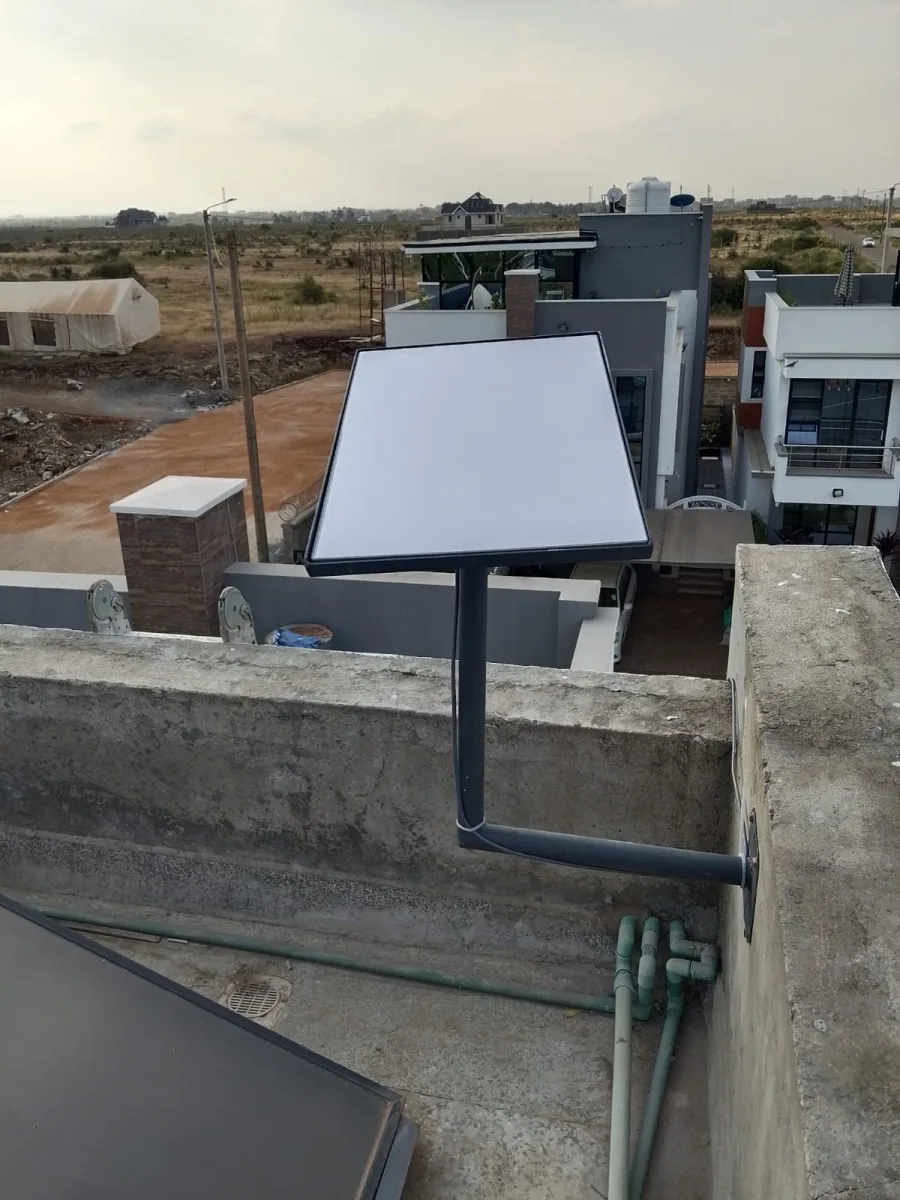
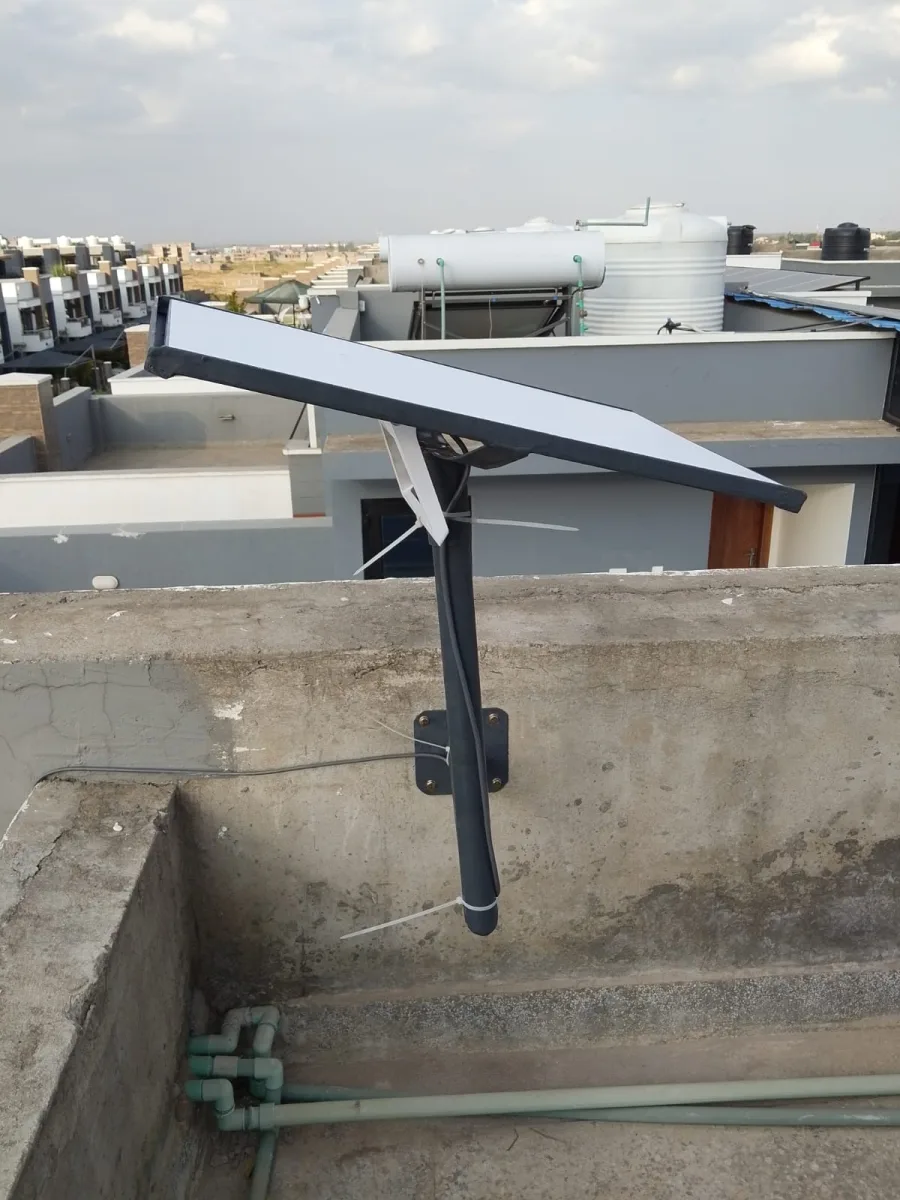
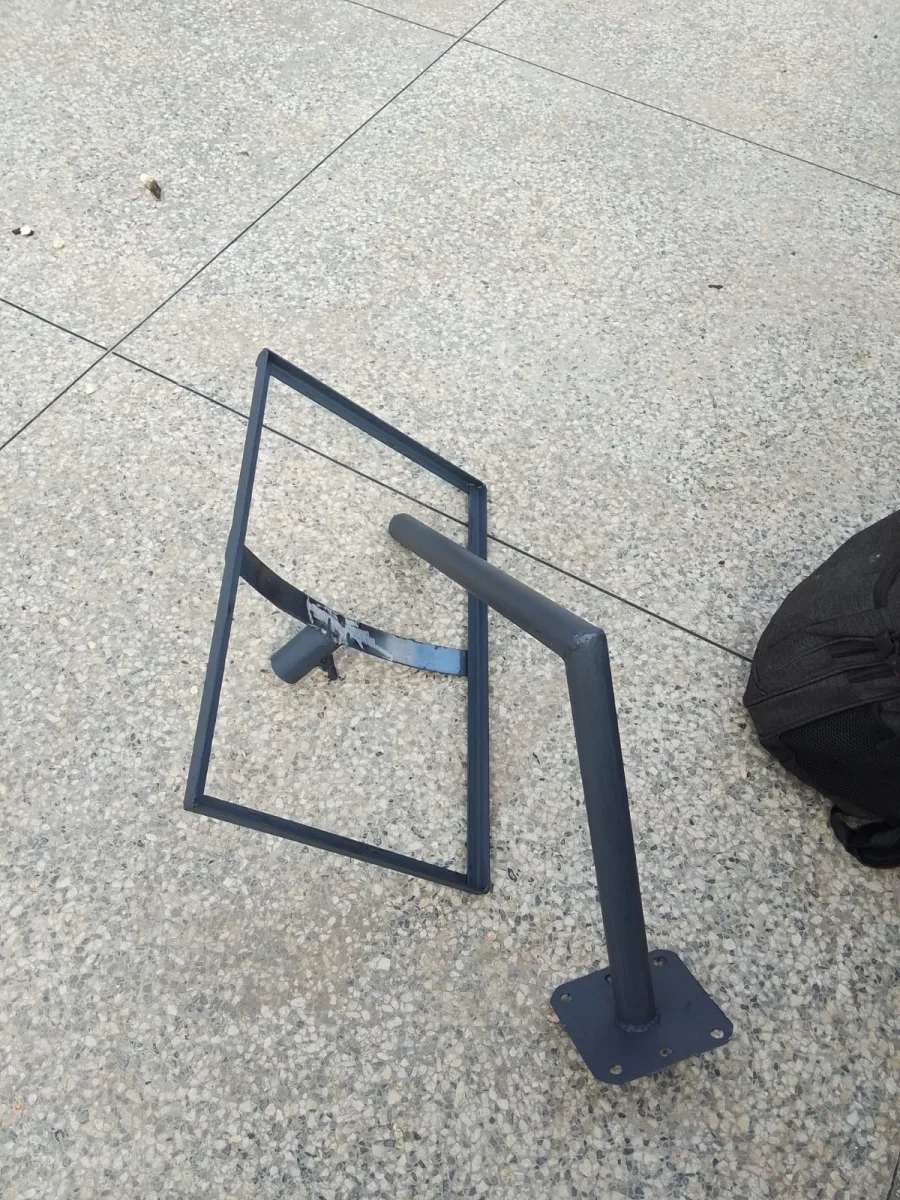
Need Starlink Installation or Network Optimization?
We help homes, offices, apartments, and businesses with Starlink installation, WiFi coverage improvement, and professional setup in Kenya.
Request Installation Chat on WhatsAppStarlink for grain depots is most useful when the connection supports the sequence of work across the yard. A vehicle arrives, information is checked, a weighing record is handled, documents are prepared and dispatch staff coordinate the next movement. The internet may be involved at several points, but those points do not necessarily need the same network design. Understanding the sequence helps a depot avoid buying equipment that improves one office while leaving the operational bottleneck untouched.
Talk to Spacekits
Need Starlink help for your home or business?
Talk to Spacekits before you buy or book installation. We help with kit supply, mounting, activation, router placement, WiFi coverage, and written quotes.
This guide to Starlink for grain depots supports Kenyan traders, cooperatives, warehouse operators and project teams. It focuses on internet access and the local network serving authorised business devices. It does not prescribe weighing procedures, commodity grading, machinery controls or regulatory compliance. Those responsibilities remain with the depot’s relevant specialists and approved operating systems.
A brief for Starlink for grain depots should be practical for an installer to assess and a manager to test. It covers the weighbridge office, dispatch desk, administration area and any justified yard coverage. It also explains why power, dust, software behaviour and record recovery belong in the conversation. For local installation planning, start with the SpaceKits installation service and describe your actual premises rather than requesting an unspecified internet package.
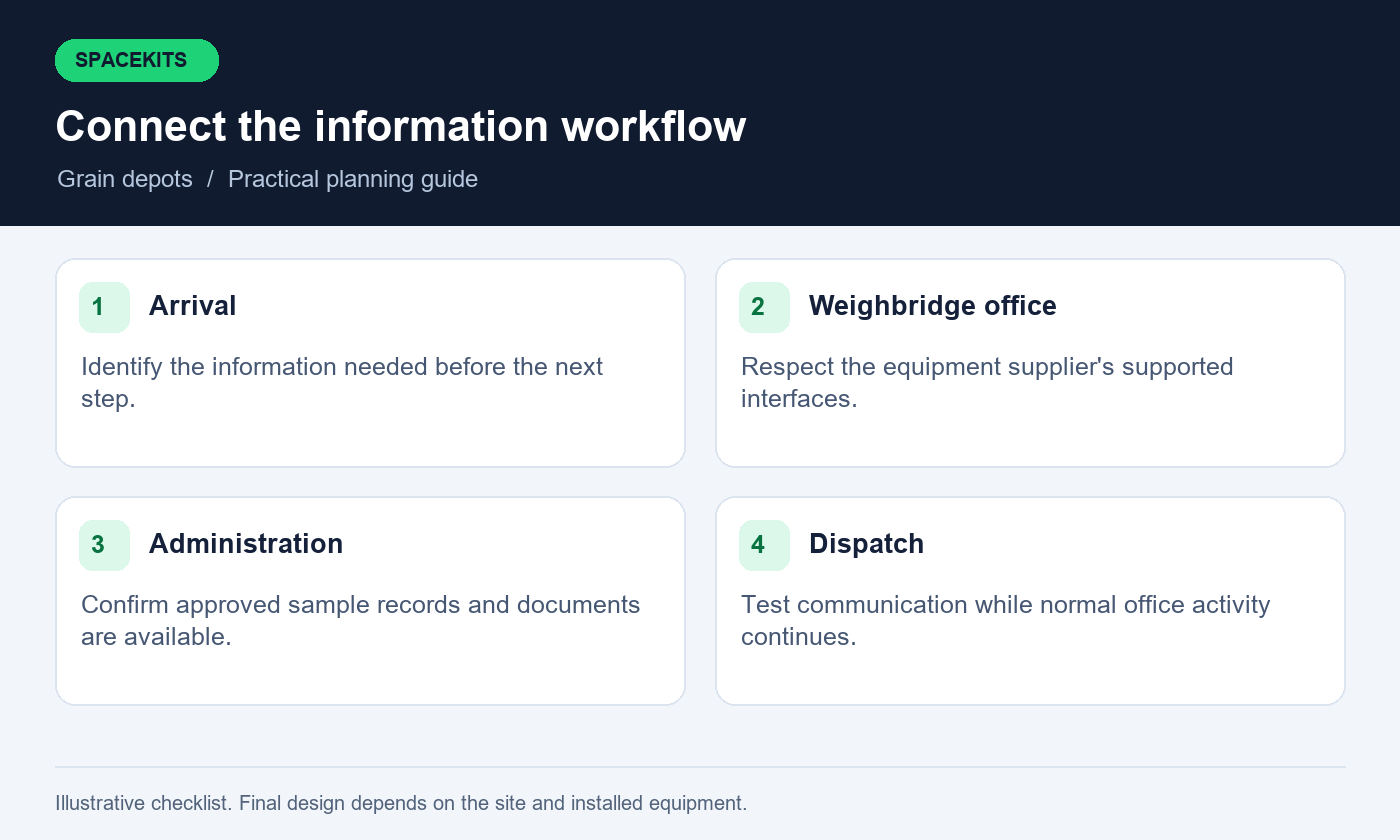
Starlink for grain depots: Follow a vehicle through the information workflow
Plan Starlink for grain depots by mapping the workflow from vehicle arrival to departure. Identify which information is entered locally, which application receives it and which person confirms the next step. A weighing indicator may connect to a local computer, while an office application later synchronises records online. Another system may require an immediate remote response. Do not assume the internet controls the entire weighing process; ask the equipment and software suppliers to explain their architecture.
When assessing Starlink for grain depots, identify the effect of losing connectivity at each step. Does the operator continue using a local system, wait for confirmation or use an approved fallback? Where a record is pending, what prevents it from being entered twice? The network provider should understand these dependencies, but the application owner must define the correct response. Use non-sensitive sample data when demonstrating the workflow to an installer.
Map the gate, weighbridge office, administration and dispatch before designing Starlink for grain depots. Mark where online communication is essential and where it is merely convenient. This helps prioritise work and explains the project to decision makers. The installation should solve an identified communication need, not extend WiFi across a large yard simply because the equipment brochure suggests a wide coverage area.
Identify the busiest combinations of work
Demand for Starlink for grain depots may peak when several small tasks overlap. Dispatch staff could be communicating with drivers while the office sends documents and the weighbridge computer accesses a remote application. Count those simultaneous activities and the devices involved. Include printers, authorised handheld devices and any business systems that depend on the same network, while keeping machinery interfaces within their specialist scope.
When sizing Starlink for grain depots, observe when large transfers occur. Camera uploads, backups and software updates can compete with ordinary office traffic if they share the connection. Record their timing and purpose before deciding whether to reschedule them or apply traffic management. Do not disable a business process simply to improve a speed test. The system owner should approve changes and understand what the revised schedule means for their work.
Use those observations to define realistic demand for Starlink for grain depots. Specify critical workstations, normal operating hours and the activities that must remain usable together. Avoid converting a device count into a guaranteed bandwidth figure without evidence. Device capability, application design, connection conditions and local network quality all affect the result. The acceptance test should reproduce the important combination of tasks.
Assess service options at the depot address
Compare Starlink for grain depots with providers serving the actual premises. Fibre availability at a nearby commercial centre does not establish a connection to an outlying warehouse. Fixed wireless may depend on a suitable path, and mobile service should be tested where the equipment will operate. Starlink should be assessed against its current address-specific availability and service terms. Keep a dated record of the information used for the decision.
Assess Starlink for grain depots through installation requirements, support arrangements and recurring charges. A connection that is inexpensive to subscribe to may need additional internal networking or a different power arrangement. Ask what happens when a fault is reported during the depot’s operating hours. Distinguish provider support for the upstream service from local support for cables, routers, computers and applications.
Before buying Starlink for grain depots, confirm the exact kit and suitable plan through the official process. Do not assume that another site’s subscription, public-address option or traffic allowance applies unchanged. The depot’s intended use should be clear when discussing the plan. Keep the service agreement separate from the local installer’s scope so ownership, billing and responsibility remain understandable after commissioning.
Survey the yard before selecting mounting and cable routes
Siting Starlink for grain depots requires checking warehouses, silos, trees, loading canopies and other structures. Assess the sky view using the applicable Starlink tools and guidance. The most convenient roof corner is not automatically the best location. The installer should also consider a secure mount, a maintainable cable route and the site’s existing access rules before recommending the position.
A survey for Starlink for grain depots should account for vehicle movement and maintenance access. A route that looks clear during a quiet survey may cross a busy loading area during operations. Do not run temporary cables through paths used by trucks, forklifts or staff. Physical routing should be designed by competent people and coordinated with the depot manager. Work at height, excavation and electrical changes require their own appropriate planning and authorisation.
Show planned expansion in the survey for Starlink for grain depots. A future shed, stack area or canopy may change the installation surroundings. Record who can approve alterations near the dish and network routes. This makes it easier to protect the installation when other contractors arrive. The objective is a stable arrangement that fits the working yard, not a quick connection that becomes an obstacle during the next busy period.
Protect indoor networking equipment from the real environment
Installing Starlink for grain depots requires assessing dust, vibration, cleaning and movement around equipment. Locate routers, switches and power supplies according to their manufacturer requirements and the site’s relevant safety assessment. Ordinary indoor networking devices should not be assumed suitable for every area of a depot. Where environmental or hazardous-area classification matters, obtain specialist advice rather than relying on a generic cabinet or enclosure.
Choose equipment locations for Starlink for grain depots with appropriate ventilation, inspection and access control. Avoid using a shelf that will later be filled with bags, paperwork or spare parts. A cupboard should not become an unplanned heat trap. The equipment arrangement needs to work during ordinary operations, when doors close, people move supplies and cleaning takes place. Tell the installer how the room is actually used.
Document cleaning and inspection arrangements for equipment supporting Starlink for grain depots. Staff should report visible damage or unusual conditions without opening electrical equipment or attempting improvised repairs. Label network devices and power points so they are not borrowed or unplugged casually. Environmental suitability and maintenance access should be part of the quotation and handover, not left as an assumption after the hardware has been installed.
Connect the weighbridge office according to its supplier’s requirements
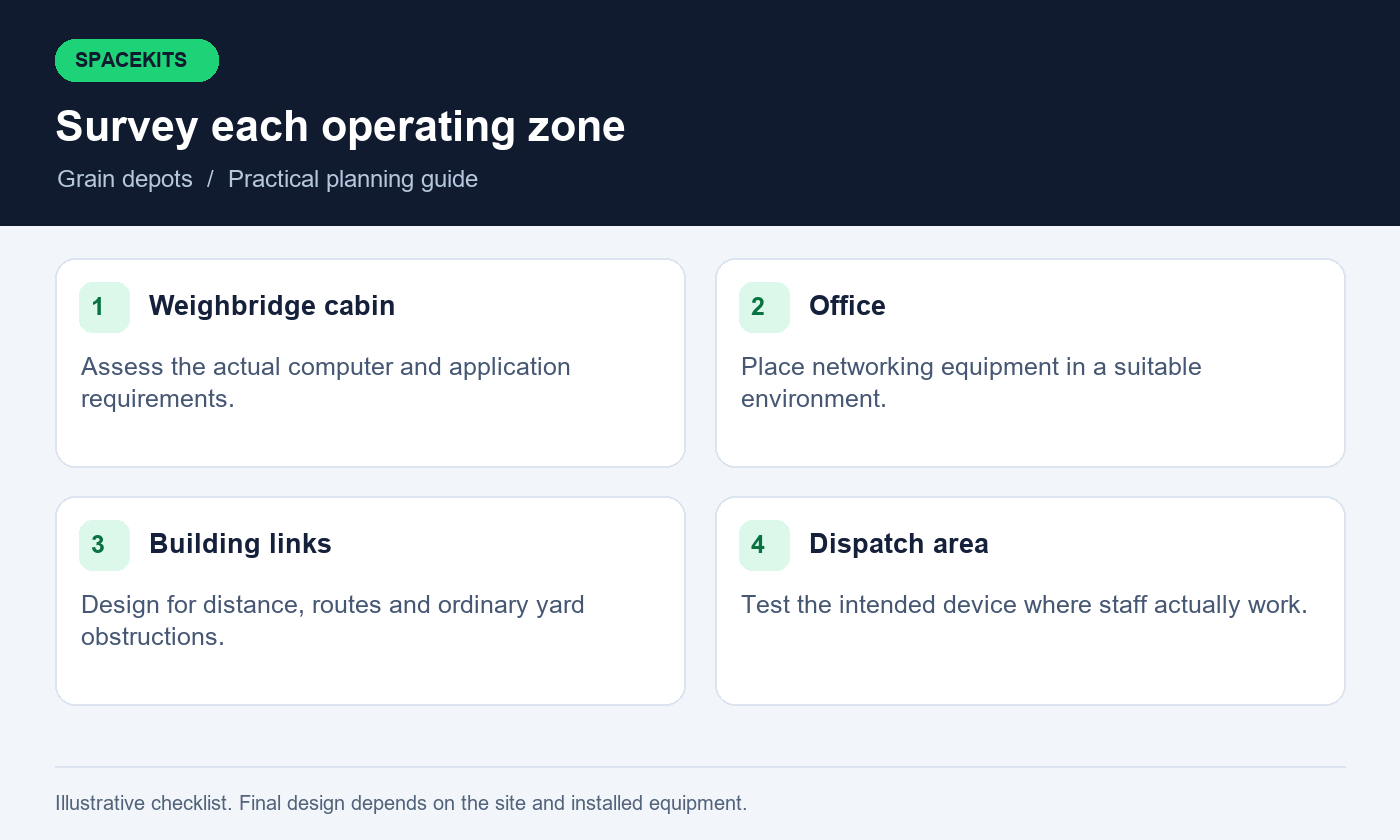
Before connecting Starlink for grain depots, ask the weighbridge supplier which interfaces are supported. A local indicator connection, printer link and internet uplink are different things. Changing a cable or network setting without understanding the arrangement can interrupt a functioning local system. Keep the supplier involved and ask the network installer to document the boundary between their work and the specialist weighing system.
When distributing Starlink for grain depots, consider a suitable wired link for fixed office computers. Its installation should follow an appropriate route and use the required network equipment. Do not assume that extending ordinary copper cable over any distance is acceptable. The installer must choose the medium and protection for the actual length, buildings and environment. Ask for a clear explanation of the design rather than a list of unexplained components.
Test Starlink for grain depots using online tasks approved by the software owner. Use sample records and avoid disrupting live weighing operations. Confirm what the operator sees when the connection is unavailable and how a pending task is resolved. A successful web browser test is useful, but it does not establish that a specialist application behaves correctly through the proposed network.
Plan links between separate buildings
Distributing Starlink for grain depots may involve a gatehouse, weighbridge cabin, administration office and dispatch area. Each building needs a deliberate connection plan. Depending on the site, an installer may assess suitable cabling, fibre or a professionally designed wireless link. These are different approaches with different installation and maintenance requirements. Choose based on the actual route and tasks, not on an assumption that a domestic extender will reach everywhere.
For a wireless building link, the installer should assess the path and expected obstructions, including parked vehicles and future structures. A link that works above an empty yard may behave differently when operations resume. For a physical cable route, coordinate access, protection and any civil work with the site manager. Avoid temporary arrangements that become permanent without a proper inspection and handover.
A building link carrying Starlink for grain depots does not automatically provide good indoor WiFi at the far end. The receiving building may still need a suitable switch or access point. Draw the complete path from Starlink to the final workstation. The SpaceKits WiFi and network-extension service is the relevant enquiry route for assessing distribution beyond the main router.
Distinguish yard WiFi from links for business devices
Define the purpose of outdoor coverage before extending Starlink for grain depots. A handheld device used for an authorised task has a defined requirement. General coverage for every visitor’s phone is a separate service decision. The access point location, supported devices and expected simultaneous use should match that requirement. Do not describe an entire depot as covered after testing one point near the office doorway.
Where outdoor access points are proposed, verify their environmental suitability, mounting and power arrangements. Their connection back to the main network is as important as their local wireless signal. Strong bars on a phone do not prove that the upstream path is performing well. Test ordinary tasks at the places where staff actually stand, including realistic obstacles and normal equipment positions.
Keep the stated coverage boundaries for Starlink for grain depots accurate. If the installation serves the dispatch canopy and office approach, say so explicitly. A future extension can be planned separately. Overstating coverage creates avoidable support disputes and can encourage staff to rely on an untested connection in a distant location. The acceptance record should identify tested areas, limited areas and areas outside the agreed scope.
Keep operational systems apart from visitor traffic
Visitor access through Starlink for grain depots should not mean unrestricted access to business workstations. Decide whether guest access is needed and, if so, implement appropriate separation with equipment that supports it. Ask the installer to demonstrate the agreed boundary. A second wireless name alone does not prove that a visitor cannot reach a printer, workstation or management interface.
Keep machinery and specialist control systems within the architecture approved by their responsible suppliers. Connecting them to a general office or guest network should not be treated as an incidental part of adding Starlink. Any integration requires the appropriate technical and operational review. The depot’s internet project should respect existing system boundaries and clearly identify what is included and excluded.
Review router, application and shared-file permissions separately when commissioning Starlink for grain depots. Staff should have the permissions required for their roles, with a process for changes when duties change. Preserve business records while removing obsolete access through the relevant platform. A WiFi password cannot substitute for application authorisation, and a network upgrade should not create a new shared administrator account merely for convenience.
Understand third-party router configuration before changing it
A design for Starlink for grain depots may require a router managing several buildings, backup service or detailed access controls. Confirm that the proposed device supports those requirements and that the installer will configure and test them. Compatibility depends on the exact Starlink kit and network design. Do not assume that an adapter or configuration used at another site is correct for this one.
Starlink’s bypass-mode guidance explains that enabling bypass disables the Starlink router’s WiFi functions for the relevant arrangement. That can affect anyone relying on the existing wireless network. Plan the change, explain the impact and keep a recovery method appropriate to the actual hardware. Operators should not experiment with this setting during a busy dispatch period.
The handover for Starlink for grain depots should explain which device manages the network and which settings staff must leave alone. Keep configuration records under controlled access. The handover should make the design maintainable without requiring every shift supervisor to become a network engineer. Complex features only add value when someone can support them responsibly.
Plan for power loss across the full path
Backup power for Starlink for grain depots must include the full communication path and essential user devices. A backup supply in the administration office may not power a remote cabin’s network equipment. Follow the complete path to each priority workstation and identify which components would stop during an outage. This is a practical dependency exercise before any battery or inverter is selected.
Have a competent professional assess the electrical arrangement and backup requirements. Use actual equipment specifications and measured loads where appropriate. Do not connect network equipment to machinery supplies through improvised extensions. Any relationship with existing depot power systems needs the responsible specialist’s input. This guide does not provide electrical installation instructions or a universal runtime calculation.
Test the completed Starlink for grain depots arrangement under supervision with representative work. Record which tasks remain possible and for how long under the observed conditions. Agree a response to low power and an orderly stopping point. If only the dispatch office remains connected, state that clearly. Backup planning should produce a demonstrated operational capability with known limits, not a vague promise that the whole depot stays online.
Define a controlled response to interrupted records
The operating procedure for Starlink for grain depots needs the software owner’s explanation of interrupted submissions. Staff need to know whether a record is queued, rejected, completed remotely or still uncertain. Repeating an action without checking can create confusion. Put the approved response in the operating procedure and test it with sample information. The network supplier cannot invent reliable reconciliation rules for an unfamiliar application.
If the depot uses an approved manual fallback, identify who authorises it and how records are reconciled later. Keep the fallback aligned with the organisation’s accounting, weighing and recordkeeping requirements. Do not treat a temporary spreadsheet created by one operator as a permanent solution without review. The objective is a clear, controlled method that the next shift can understand and complete.
After an interruption to Starlink for grain depots, confirm pending work before resuming normal operations. Assign one responsible person to coordinate recovery where several desks are affected. Avoid a simultaneous rush of repeated submissions. Record the incident and any unresolved item. A good connection reduces interruptions, but a good recovery procedure protects the workflow when interruptions still occur.
Evaluate backup internet with realistic tests
A backup provider alongside Starlink for grain depots needs testing at the actual site. Test coverage and ordinary tasks at the depot. Confirm that the service remains active and that its equipment has appropriate power. A spare mobile router without a maintained subscription or known signal quality should not be listed as a ready backup in the operating plan.
Decide how switching will happen and who is authorised to manage it. A suitable router may automate part of the process, but applications can still experience interrupted sessions when the connection changes. Test the important tasks and ask their providers about supported behaviour. Do not describe failover as seamless until the relevant workflow has demonstrated the intended result under the agreed conditions.
Identify shared failure points when adding backup service to Starlink for grain depots. Both providers may depend on the same local switch, power arrangement or damaged workstation. A second internet connection does not solve those problems. The depot should understand which risks the backup addresses and which remain. That understanding helps justify the cost and prevents management from interpreting two subscriptions as a guarantee against every interruption.
Commission using a dispatch-day simulation
Commission Starlink for grain depots with a test sequence agreed by operations and software owners. Simulate the normal information flow with approved sample records, from the receiving or weighing office to administration and dispatch. Run the usual communication tasks at the same time. Use the actual workstations and ordinary operating positions. The test should reflect the business requirement in the original brief.
Acceptance tests for Starlink for grain depots should cover building links and promised outdoor areas. Note whether parked vehicles, closed doors or normal equipment positions affect the result. Record the date, devices, tasks and observations. A speed test beside the main router is supplementary evidence; it does not prove that a distant dispatch desk or handheld device can perform its intended task reliably.
List failed tests and exclusions before accepting Starlink for grain depots. Give each unresolved item an owner and follow-up date. If a specialist application cannot be tested because its provider is unavailable, keep that test pending rather than marking the whole workflow complete. Sign-off should confirm what was demonstrated, not merely that equipment was delivered and an invoice issued.
Make procurement and support scope easy to compare
Provide the same brief to each supplier: depot location, building layout, existing kit, workstations, operating hours and essential tasks. Include relevant distances as measured or clearly labelled estimates. Ask for a site survey where the route or environment cannot be assessed remotely. Keep credentials, private trading records and sensitive system information out of a general quotation request.
Request separate costs for equipment, mounting, cable routes, building links, configuration, travel and acceptance testing. Confirm which electrical or civil works are excluded. Ask who owns the service account and installed equipment. Continuing charges and support arrangements should be clearly distinguished from one-time work. Current written terms are more useful than an undated advertised package price.
Choose a support arrangement that fits operating needs. Identify the primary contact and escalation route, and clarify whether on-site visits are included. Do not assume a stated support number represents a guaranteed response time. If a specific response commitment matters, it must be agreed in writing. The procurement decision should connect cost to demonstrable scope and responsibilities.
Train shift supervisors and maintain a useful fault record
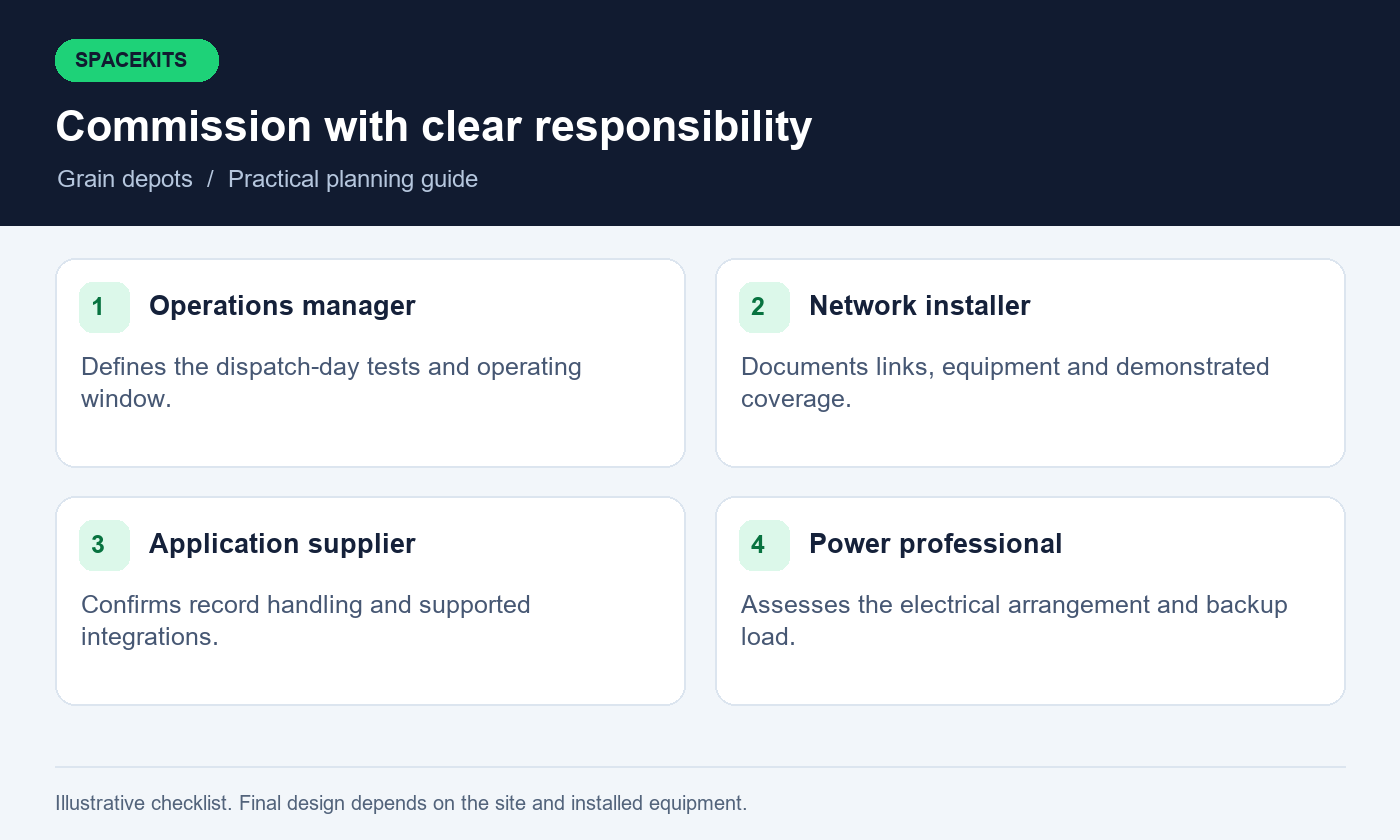
Supervisors should know how to identify the affected workstation, describe the failed task and check whether the issue is local or widespread. They can report ordinary status indicators without changing advanced settings. Provide a clear boundary for cable handling and restarts. Random adjustments during a live record problem can disrupt other users and make the original cause harder to establish.
Keep a concise log with time, location, symptoms, action and result. Avoid copying private customer documents or account credentials into general support messages. If a supplier needs detailed diagnostics, the responsible manager should review what is shared and use an appropriate channel. The log should help resolve a technical issue without creating a second uncontrolled store of business information.
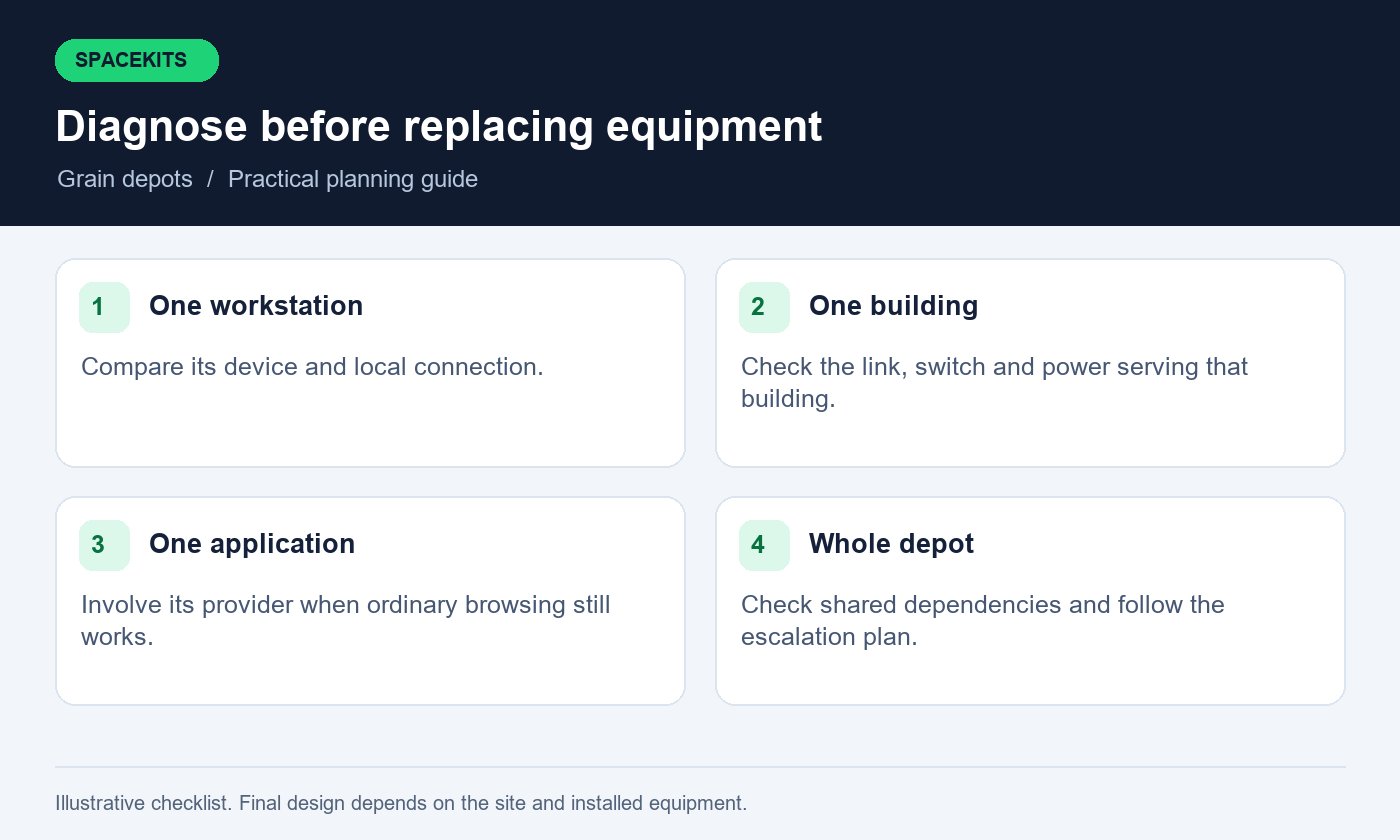
Review recurring patterns. One office affected repeatedly suggests a different investigation from every building failing simultaneously. A problem at one application while ordinary browsing works should involve that application’s provider. Use the evidence to assign the next action rather than repeatedly replacing equipment on speculation. Update the handover whenever a configuration or physical route changes.
Example: a depot with a separate dispatch cabin
Imagine a hypothetical depot whose administration office has a working internet connection, while a dispatch cabin across the yard struggles to open ordinary documents. Staff initially request a faster subscription. A survey instead identifies the cabin’s weak connection back to the office as the immediate constraint. The team assesses a suitable building link and local equipment rather than assuming upstream capacity is the only issue.
After the agreed work, the installer and operations team repeat the dispatch workflow with sample documents and simultaneous office activity. They also check performance with vehicles in their normal positions. The handover records the tested areas and excludes a distant store that was not in scope. A separate software issue remains assigned to the application provider instead of being hidden inside the network sign-off.
This scenario illustrates a diagnostic method, not a SpaceKits customer result or performance promise. Another depot may need a different connection, power repair or application change. Following the complete path and testing the actual task helps the owner distinguish those needs and pay for work that addresses the evidence.
Questions before connecting a grain depot
Does Starlink replace our weighbridge system?
No. It provides an internet connection. Your weighing equipment, application and approved procedures remain separate responsibilities. Ask the relevant supplier which online functions are supported and how the system behaves during an interruption.
Can one router cover the entire yard?
That depends on the layout, obstacles, devices and intended tasks. Large premises often need an assessed distribution design. Test the specific areas you intend to use and avoid interpreting one successful outdoor reading as full-yard coverage.
Should we keep the old connection?
It may be useful during transition or as a separately tested backup. Compare its cost and demonstrated benefit, and confirm who maintains it. Do not cancel a working service until the replacement has passed the agreed checks and the owner approves the change.
What should an installation quote include?
It should identify the kit, mount, routes, internal network, any building links, configuration, travel, testing and exclusions. Continuing service and support charges should be separate. The correct scope depends on the actual depot rather than a universal package.
Keep changes and spare equipment under control
Once the network is working, decide how future changes will be requested and recorded. Adding a camera system, moving the dispatch cabin or connecting a new warehouse can affect capacity, coverage and power. Ask the responsible person to assess the change before equipment is plugged in. A network diagram becomes much less useful when it describes only the installation day and ignores every later addition.
Maintain a small, justified spare-parts list with the installer. Identify items that staff can replace safely under an approved procedure and items that require a service visit. Confirm compatibility before buying spare power supplies or adapters. An unlabelled box of miscellaneous parts can create more confusion than resilience. Keep purchase information and model details with the inventory, and test any spare that is intended for immediate use.
Schedule configuration changes for a suitable operating window. Record the reason, person responsible, expected result and recovery plan. Tell affected staff before the work starts. Afterward, repeat the tasks most likely to be affected, including communication between buildings and any specialist application checks agreed with its provider. A change should not be considered complete merely because the router accepts a new setting.
Review support arrangements when ownership, management or suppliers change. The depot should retain control of its accounts and records while updating access through the proper process. Confirm where configuration documentation is stored and who can authorise a technician to act. Avoid leaving maintenance dependent on a former employee’s personal phone or an undocumented arrangement with a contractor.
Finally, keep a dated copy of the operating checklist available without internet. During an outage, supervisors still need equipment names, approved observations and supplier contacts. Replace outdated printed copies after revisions. This simple discipline helps the next shift continue the investigation from the last known facts instead of starting again with random resets and contradictory instructions.
Prepare your depot for a site assessment
Gather the building layout, list of workstations, operating timetable and a short description of the information workflow. Identify the people responsible for the premises, electrical system and specialist applications. This gives the installer enough context to plan a useful survey and prevents different providers from working from conflicting assumptions.
To discuss the next step, request a written SpaceKits quote with your location and priority areas. SpaceKits is an independent equipment and installation support provider, not Starlink or SpaceX. Confirm current service eligibility and terms with Starlink. Agree the local work and acceptance tests in writing so the completed installation can be judged by the depot tasks it was designed to support.
Need Starlink Installation or Network Optimization?
We help homes, offices, apartments, and businesses with Starlink installation, WiFi coverage improvement, and professional setup in Kenya.
Request Installation Chat on WhatsApp