
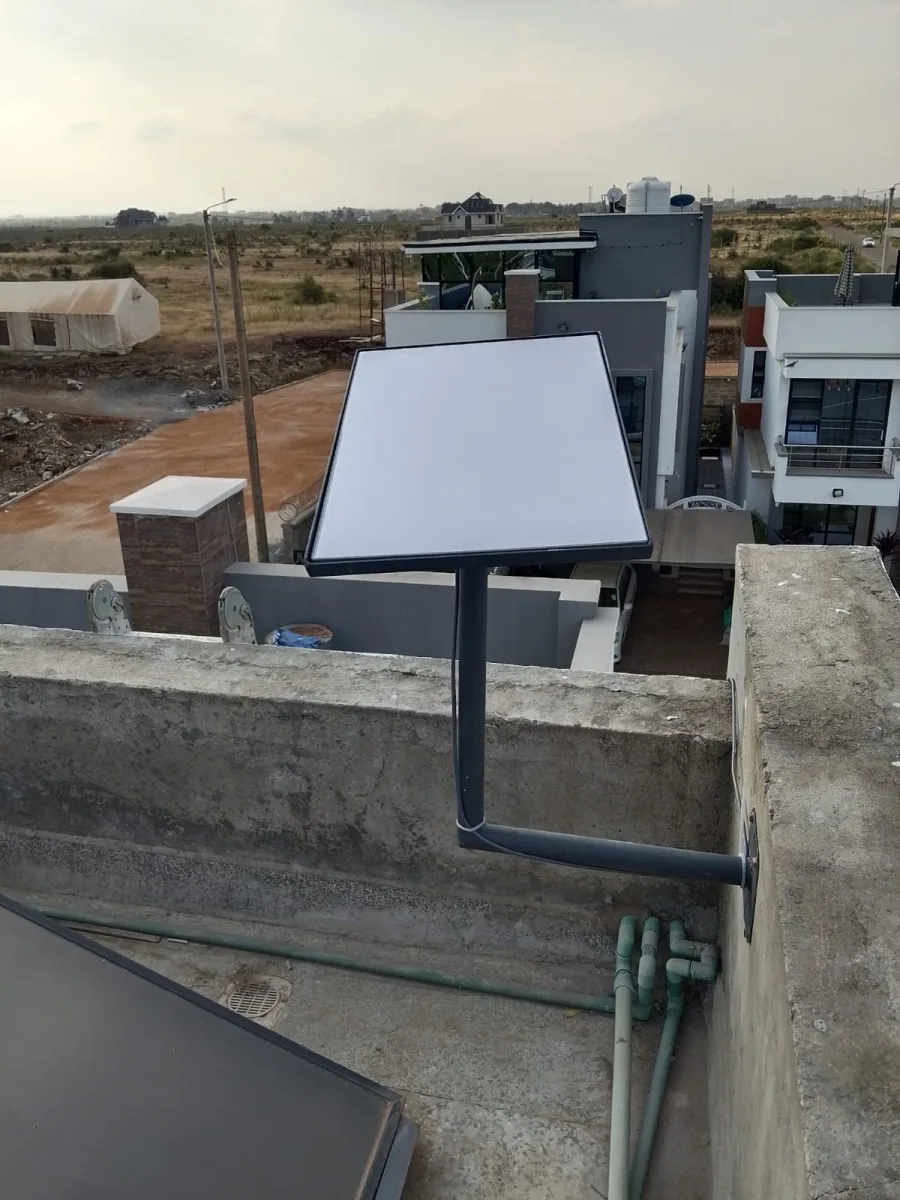
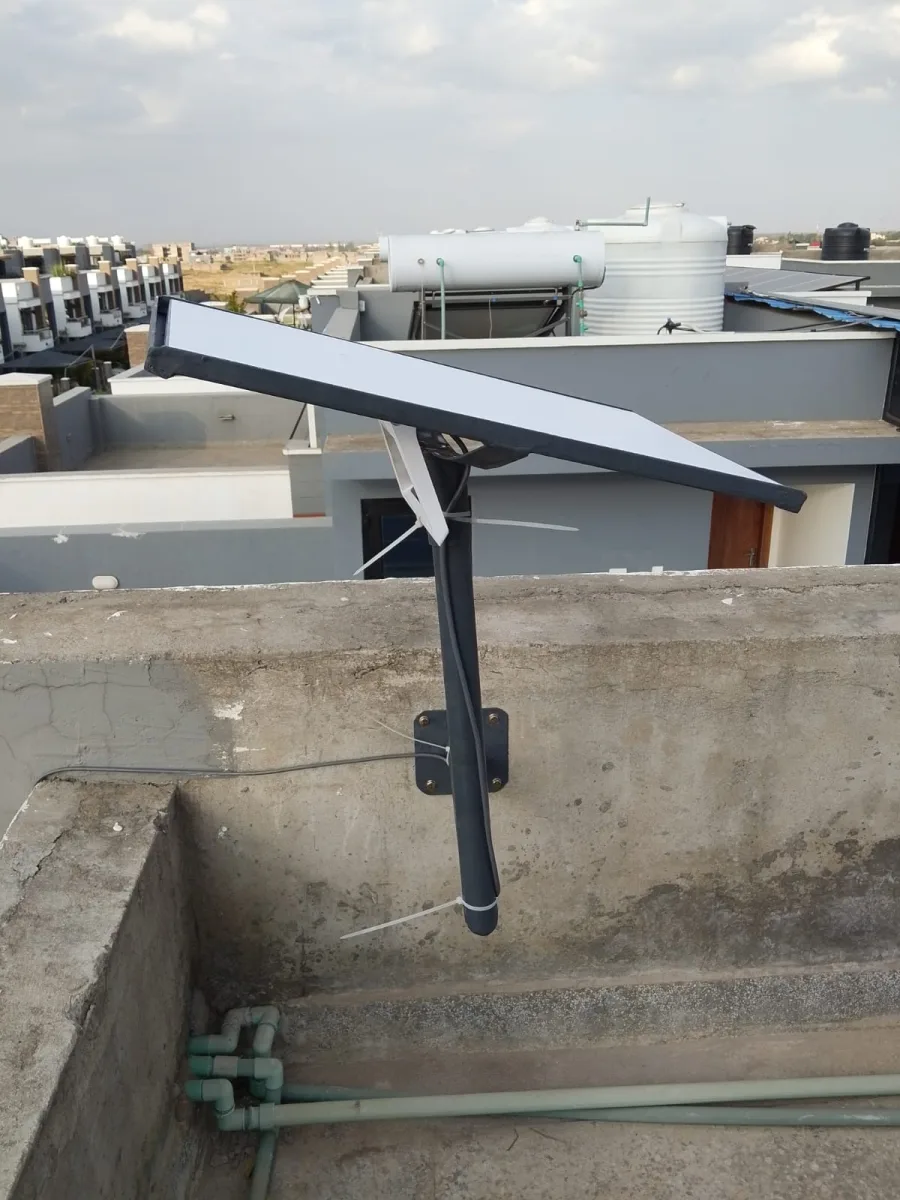
Need Starlink Installation or Network Optimization?
We help homes, offices, apartments, and businesses with Starlink installation, WiFi coverage improvement, and professional setup in Kenya.
Request Installation Chat on WhatsAppGuest WiFi planning for Starlink lodges in Kenya starts with a simple question: where will guests actually use the internet? A connection that works at reception may not answer the needs of visitors in detached cottages, upstairs rooms or outdoor sitting areas. A useful plan describes those spaces before equipment is selected.
Talk to Spacekits
Need Starlink help for your home or business?
Talk to Spacekits before you buy or book installation. We help with kit supply, mounting, activation, router placement, WiFi coverage, and written quotes.
Spacekits supports Starlink setup for lodges and Airbnb properties, including guest coverage and power-backup planning. Give the installer a picture of a busy day at your property, from morning check-outs to evening video calls, so the discussion reflects real use.
Map guest and staff areas separately
Make a simple list of rooms, cottages, reception, dining spaces and offices. Mark where coverage is essential and where it would be a useful extra. Explain which buildings are detached and where cables could be routed without disrupting visitors.
For each area, note the usual activity. Reception may need access to booking tools throughout the day, while guests may use several devices in the evening. These are different requirements even when they share the same internet connection.
Describe the busiest realistic workload
Plan around an occupied property rather than an empty inspection day. Share the number of rooms and the places where guests gather. Ask what the proposed design is expected to cover and what assumptions were used to choose the equipment.
If you are improving your booking website or staff portal through a provider such as Zama Web Experts, include the people who use those systems in the connectivity discussion. Website work and network installation are separate services, but the staff workflow connects the two.
Agree on coverage and power requirements
Review Wi-Fi extension and mesh setup options for spaces beyond the main router. Ask where additional equipment will be placed, how it will be powered and whether installation requires access to occupied rooms.
Discuss what should happen during a power interruption. Identify the equipment that needs backup and ask for a separate quote for that requirement. Avoid treating a backup-power discussion as a promise that every outage will be covered.
Prepare a practical staff handover
- Record the support number and who should contact it.
- Keep account and billing responsibilities clear.
- Explain how staff should report a fault and its location.
- Agree on guest connection instructions before check-in.
Test the spaces named in the original brief before accepting the installation as complete. Record any room that still needs attention and agree on the next step.
Can one setup serve several cottages?
The property layout needs assessment. Share distances, building positions and the areas requiring coverage so the installer can recommend an appropriate approach. Do not assume a single indoor router covers every cottage.
1. Begin guest WiFi planning with a property map
List every building and the areas where visitors expect to connect. Include rooms, cottages, reception, dining spaces and outdoor sitting areas where coverage is part of the offer. Mark the places that are essential and those that would be optional additions.
Guest WiFi planning becomes clearer when the installer can see how the property is used. A rough sketch with building positions and room names can be enough to start the conversation. Explain where buildings are detached and where installation work could affect occupied spaces.
Keep the map tied to the actual requirement. If a garden area is outside the first stage, label it as excluded rather than leaving the supplier to assume. This creates a useful basis for a written scope and for testing the finished work.
2. Describe a realistic busy day
Explain when visitors and staff are most likely to use the connection together. Reception may depend on online tools throughout the day, while guests may be more active in the evening. Describe the ordinary activities instead of relying only on the number of rooms.
During guest WiFi planning, ask the provider what assumptions support the proposed design. A demonstration in an empty lodge does not recreate every busy-period condition. Agree how testing will be performed and how a concern discovered during normal occupancy should be reported.
Avoid promising guests a result that has not been established for the property. Discuss the current service arrangement and expected use with the provider, and keep public descriptions consistent with what the lodge can support. A clear explanation is more useful than an unsupported performance claim.
3. Include reception and staff work in guest WiFi planning
Identify the workstations used for bookings, guest communication and ordinary administration. Explain which activities need to continue while visitors are online. These requirements belong in the brief even if the main purpose of the project is improving guest connectivity.
Ask the installer to discuss suitable arrangements for guest access and staff responsibilities. Confirm who should manage routine network information and who handles account questions. Keep administrative access limited to the appropriate people rather than distributing every detail with the guest instructions.
Guest WiFi planning should include an absence handover. Another authorised staff member should know where the support contact and installation note are kept. The person who happened to attend the installation visit should not become the only source of operational knowledge.
4. Agree on indoor and detached-building coverage
Ask where additional equipment is proposed, what area it is intended to serve and how it will be connected and powered. Explain access restrictions, visitor routes and practical concerns about working in occupied rooms. Record which locations need a closer site assessment.
For guest WiFi planning across cottages, do not assume one indoor router covers every building. Give the provider the layout and intended use so it can recommend an appropriate approach. Compare the expected coverage with the agreed brief rather than choosing solely by the number of devices quoted.
Use the Wi-Fi coverage review guide to organise existing problem reports. A list of affected rooms and ordinary tasks gives the installer a more useful starting point than an unqualified request for stronger internet everywhere.
5. Schedule work around the guest experience
Identify suitable times for site assessment, access to rooms and any agreed cable work. Make sure the person coordinating installation knows which spaces will be occupied. Confirm who can provide access and approve practical decisions during the visit.
Guest WiFi planning should separate work that can be completed in common areas from work requiring entry to rooms or service spaces. Discuss these details with the installer before booking. Clear access arrangements help avoid unnecessary interruption and an incomplete visit.
Keep the final work scope available to the staff member on duty. If a proposed change affects the agreed arrangement, route it to the responsible decision-maker. This avoids asking reception staff to approve unfamiliar work without the necessary context.
6. Discuss power and support before launch
Ask which equipment needs power for the proposed arrangement to operate. Include any additional indoor coverage devices in that conversation. If backup power is part of the requirement, request a scope that identifies the equipment supported and the assumptions behind the proposal.
Guest WiFi planning should not treat a backup discussion as a guarantee against every interruption. Ask the provider to explain the limits of the proposed arrangement and the steps staff should follow if a problem occurs. Keep those instructions with the handover note.
Clarify the route for installation questions and for service-account questions. Record the contact responsible for each. During a busy check-in period, staff should be able to find the right support route without searching through old purchase messages.
7. Test the guest WiFi planning brief before sign-off
Return to the original room and common-area list. Use ordinary devices in the priority locations and try representative activities. Record which spaces were checked, what was observed and which locations were outside the agreed scope.
A useful guest WiFi planning review compares completed work with the intended visitor experience. If the brief included an upstairs room and a detached cottage, testing only at reception is not enough to demonstrate those requirements. Keep any unresolved location on a written follow-up list.
Read the installation handover checklist for equipment records, account responsibilities and support details. A clear handover helps the lodge manage the setup after the installer leaves.
Prepare a simple guest connection instruction
Use clear language that reception staff can explain consistently. Check the instruction on an ordinary guest device before using it routinely. Identify the person guests should contact if they need help, and make sure that person knows what details to record.
Guest WiFi planning includes the response to a problem as well as the initial connection. A helpful report records the room, device, approximate time and activity affected. Staff can then explain whether the concern appears isolated or has been reported elsewhere.
Keep guest-facing instructions separate from administrative account details. Review the instructions when the setup changes so printed or shared information remains current. Outdated instructions can create avoidable questions even when the installed equipment is working as expected.
A guest WiFi planning example for several cottages
Imagine a lodge with reception, a dining area and several detached cottages. The manager marks reception and occupied rooms as essential, with one outdoor lounge treated as an optional later stage. The installer receives the same map and requirement list used to review the quote.
The guest WiFi planning discussion covers building positions, access and how the proposed coverage equipment will be connected. The manager asks what can be confirmed immediately and what requires a site assessment. Unanswered questions remain visible in the scope instead of becoming assumptions.
After installation, staff test the named locations and keep notes of the conditions. If a cottage needs further work, its status is recorded clearly. This example illustrates a planning method; the appropriate equipment and arrangement depend on the actual property.
Questions about guest WiFi planning for lodges
Should the plan include outdoor areas?
Include them if they are part of the intended guest experience, but identify them explicitly. Explain where visitors sit and which areas are optional. Ask the provider to assess the requirement rather than assuming indoor coverage will extend to every outdoor space.
What if the lodge adds more rooms later?
Update the property map and workload description. Guest WiFi planning should be reviewed when the layout or normal use changes. Ask whether the existing arrangement can support the new requirement and which additional assessment or work is needed.
Can reception handle every technical question?
Give reception a clear reporting routine and a support contact, while keeping specialist investigation with the appropriate provider. Staff should be able to gather useful observations without being expected to make unfamiliar equipment or account changes.
What should be included in the quote request?
Share the location, room layout, existing kit details, priority spaces and intended use. Mention access restrictions and any backup-power requirement. Ask for the equipment, work, testing and exclusions to be stated clearly in the written proposal.
Review guest WiFi planning after the first working period
Gather the reports received during ordinary occupancy and compare them with the installation notes. Look for repeated concerns in particular locations or at particular times. Keep the reports factual so the provider can assess the pattern without having to reconstruct it from unrelated messages.
Use that review to decide the next practical step. It may reveal a need for clearer guest instructions, a further coverage assessment or clarification of the agreed scope. Guest WiFi planning remains useful when it connects observations to a specific action and an accountable person.
For budgeting, read the package comparison guide. Keep the initial installation, optional coverage work and recurring service separate so the lodge can review each requirement clearly.
Keep one current copy of the room checklist and support note for authorised staff. When another person takes responsibility for the property, include these records in the handover. Consistent guest WiFi planning helps the next manager understand what was installed, what was tested and which improvements remain optional.
Guest WiFi planning for a change of management
When a new manager takes over a lodge, guest WiFi planning should begin with the existing coverage record. Identify which rooms were tested, which areas were excluded and which improvements remain open. A general statement that the property has internet does not explain what guests can reasonably expect in each part of the site.
Ask the outgoing manager for the current support contact and the location of the authorised operating instructions. Keep administrative credentials in the approved secure place rather than copying them into the general staff handover. The receiving manager needs to understand the support process without circulating sensitive access details unnecessarily.
Review the room list against actual use
Guest WiFi planning can become outdated when a lodge adds rooms, converts a store into accommodation or changes the reception area. Compare the current room list with the installation record. Mark new requirements for assessment instead of assuming that the earlier setup automatically includes them.
For example, a room previously used only for storage may now host guests making work calls. That change introduces a different practical requirement. Guest WiFi planning should describe the intended activity and have the location assessed, rather than relying on a quick test from a nearby corridor.
Use a representative guest journey
Check the information a guest receives at arrival, the process for connecting and the route for reporting a problem. Staff should be able to explain the intended service clearly. If a particular area is awaiting improvement, communicate its status accurately rather than promising identical coverage throughout the property.
Include reception in guest WiFi planning because it often receives the first report. A useful report records the room, approximate time, device and affected activity. Staff can then send the provider a concise account without trying to diagnose every issue themselves or requesting private guest information unnecessarily.
Track recurring reports
Review whether several reports concern the same room or task. A recurring pattern is a reason to investigate, not proof of a particular equipment fault. Guest WiFi planning should use those observations to identify the next assessment or test. Keep unrelated application issues separate from confirmed coverage gaps.
After a support visit, repeat the relevant ordinary task from the affected area and record the result. Testing only beside the router does not answer a room-specific complaint. If the issue remains open, assign a responsible person and a next review date so that it does not disappear during the next staff change.
Update the operating record
Finish the review by recording the current room requirements, support contacts and unresolved actions. Guest WiFi planning works best when the record is short enough for a busy manager to use. Retire outdated working copies through the normal process so that reception does not keep following instructions that no longer match the setup.
This review is especially useful before a busy booking period. It gives the team time to raise new coverage needs, arrange an assessment where appropriate and prepare accurate guest instructions. The goal is a clear operational account of what has been tested and what still requires attention.
Plan your lodge installation
Review Spacekits package guidance, then call 0725345345 or WhatsApp Spacekits with your location and room layout. Request a written scope covering installation, guest coverage and handover.
Need Starlink Installation or Network Optimization?
We help homes, offices, apartments, and businesses with Starlink installation, WiFi coverage improvement, and professional setup in Kenya.
Request Installation Chat on WhatsApp